Àkójọ Ìmọ̀ › Bí Bíbélì ṣe dé ọ̀dọ̀ wa
Bí Bíbélì ṣe dé ọ̀dọ̀ wa
Vulgate àti àwọn ìtumọ̀ àtijọ́ mìíràn
Targum Aramaiki · Peshitta Siriaki · Vulgate Latin · Coptic, Gothic, Armenia, Ge’ez, Slavonic
Lẹ́yìn ìgbèkùn, ọ̀pọ̀ àwọn Júù ń sọ èdè Aramaiki, a sì wá máa ń tẹ̀lé kíka Ìwé Mímọ́ nínú sinagọgu pẹ̀lú ìtumọ̀ ní èdè Aramaiki; a ń pe àwọn ìtumọ̀ tí kò so mọ́ ọ̀rọ̀ gẹ́lẹ́, tí ó sì ń ṣàlàyé yìí ní targum. Ọ̀pọ̀ ọ̀mọ̀wé rò pé Nehemiah 8:8 ṣàpèjúwe àṣà yìí. Targum Onkelos lórí Òfin gba ìrísí rẹ̀ tí ó dúró ní nǹkan bí ọ̀rúndún kejì tàbí kẹta L.K. Àwọn Kristẹni tí ń sọ èdè Siriaki ní Diatessaron ti Tatian, àpapọ̀ Ìhìnrere mẹ́rin tí a ṣe ní nǹkan bí ọdún 170 L.K., àti lẹ́yìn náà Peshitta, ẹ̀dà “tí ó rọrùn”, tí a tún yẹ̀ wò ní nǹkan bí ìparí ọ̀rúndún kẹrin.
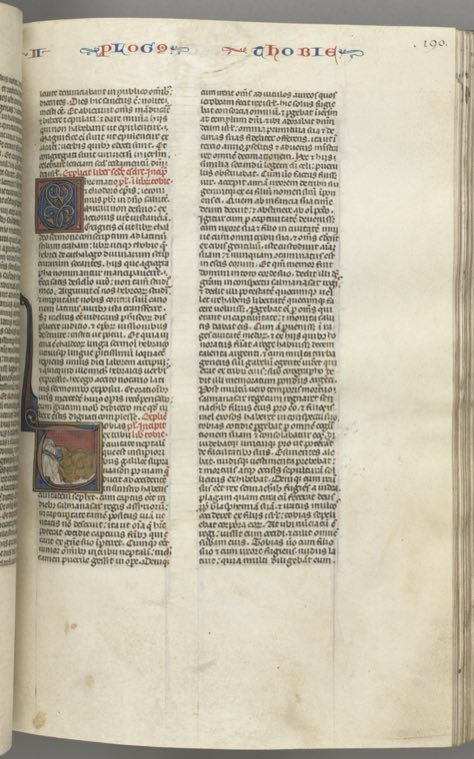
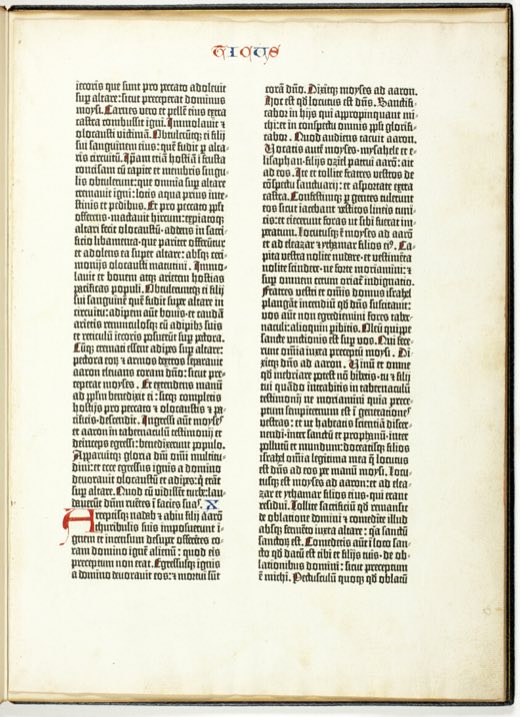
Ní Ìwọ̀-oòrùn, Latin Àtijọ́ (Old Latin), tí a túmọ̀ láti èdè Giriki, wà ní lílò ní nǹkan bí ọdún 250 L.K. Ní ọdún 382, Póòpù Damasus ní kí ọ̀mọ̀wé náà Jerome tún àwọn Ìhìnrere yẹ̀ wò; lẹ́yìn náà, nítòsí Bẹtilẹhẹmu, Jerome túmọ̀ èyí tí ó pọ̀ jùlọ nínú Májẹ̀mú Láéláé láti èdè Heberu, ní nǹkan bí 390–405. A ṣe lámèyítọ́ iṣẹ́ rẹ̀ ní àkọ́kọ́, ṣùgbọ́n ó di Vulgate, Bíbélì “tí ó wọ́pọ̀”; ní ọdún 1546, Àpéjọ Trent sọ ọ́ di Bíbélì Latin tí ìjọ Kátólíìkì fọwọ́ sí. Àwọn ènìyàn mìíràn gba Bíbélì ní èdè tiwọn, nígbà mìíràn pẹ̀lú álífábẹ́ẹ̀tì tuntun: Coptic ní Ejibiti ní nǹkan bí ọ̀rúndún kẹta, Gothic láti ọwọ́ Ulfilas ní ọ̀rúndún kẹrin, Armenia ní ọ̀rúndún karùn-ún, Ge’ez ní Etiopia, àti Slavonic láti ọwọ́ àwọn arákùnrin Cyril àti Methodius ní ọ̀rúndún kẹsàn-án.
Àwọn ẹsẹ pàtàkì
Àti ní àkókò ìjọba Artasasta ọba Persia, Biṣilami, Mitredati, Tabeli àti àwọn ẹlẹgbẹ́ rẹ̀ yòókù kọ̀wé sí Artasasta. A kọ ìwé náà ní ìlànà ìkọ̀wé Aramaiki èdè Aramaiki sì ní a fi kọ ọ́.Wọ́n kà láti inú ìwé òfin Ọlọ́run, wọ́n túmọ̀ rẹ̀, wọ́n ṣe àlàyé kí ohun tí wọ́n kà bá à le yé àwọn ènìyàn yékéyéké.Nígbà náà ni àwọn awòràwọ̀ dá ọba lóhùn ní èdè Aramaiki pé, “Kí ọba kí ó pẹ́! Sọ àlá yìí fún àwọn ìránṣẹ́ rẹ àwa yóò sì sọ ìtumọ̀ rẹ̀ fún ọ.”Nítorí náà, ọ̀pọ̀ àwọn Júù ni ó ka ìwé àkọlé yìí, nítorí ibi tí a gbé kan Jesu mọ́ àgbélébùú súnmọ́ etí ìlú, a sì kọ ọ́ ní èdè Heberu àti Latin, àti ti Giriki.Orísun
A mú un bá a mu, a sì ké e kúrú láti Tyndale Open Bible Dictionary · CC BY-SA 4.0
Tyndale Open Bible Dictionary © 2023 Tyndale House Publishers · CC BY-SA 4.0 — Bible*, Versions of the (Ancient): Earliest Versions of the Old Testament; Bible*, Manuscripts and Text of the (Old Testament): The Aramaic Targums; Bible*, Versions of the (Ancient): Syriac Versions; Bible*, Versions of the (Ancient): Latin Versions; Vulgate*, the; Bible*, Versions of the (Ancient): Coptic Versions; Bible*, Versions of the (Ancient): Gothic Version; Bible*, Versions of the (Ancient): Armenian Version; Bible*, Versions of the (Ancient): Ethiopic Version; Bible*, Versions of the (Ancient): Slavonic Version
A mú un bá a mu láti Tyndale Open Bible Dictionary: a yan àwọn àpilẹ̀kọ, a ké wọn kúrú, a sì tún wọn sọ ní ọ̀rọ̀ ara wa (ìtàn, ìṣẹ̀dá àti ìgbésí ayé ojoojúmọ́ nìkan), àti ní àwọn èdè yàtọ̀ sí Gẹ̀ẹ́sì, ẹ̀rọ ló túmọ̀ wọn. Iṣẹ́ àkọ́kọ́ ti Tyndale House Publishers wà lọ́fẹ̀ẹ́ ní tyndaleopenresources.com.