Encyclopedia › How the Bible came to be
How the Bible came to be
The Vulgate and other ancient versions
Aramaic targums · Syriac Peshitta · Latin Vulgate · Coptic, Gothic, Armenian, Ge’ez, Slavonic
After the exile many Jews spoke Aramaic, and readings in the synagogue came to be followed by an Aramaic rendering; these free, explaining translations were called targums. Many scholars think Nehemiah 8:8 describes this practice. The Targum of Onkelos on the Law took its standard form about the 2nd or 3rd century AD. Syriac-speaking Christians had Tatian’s Diatessaron, a blend of the four Gospels made about AD 170, and later the Peshitta, “the simple” version, revised about the end of the 4th century.
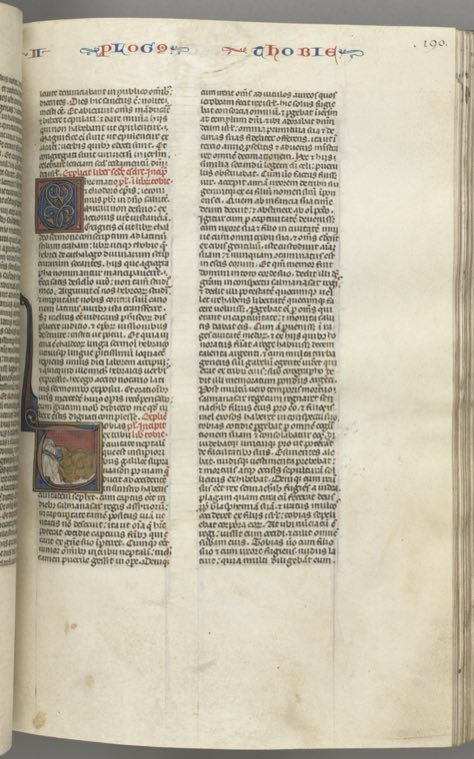
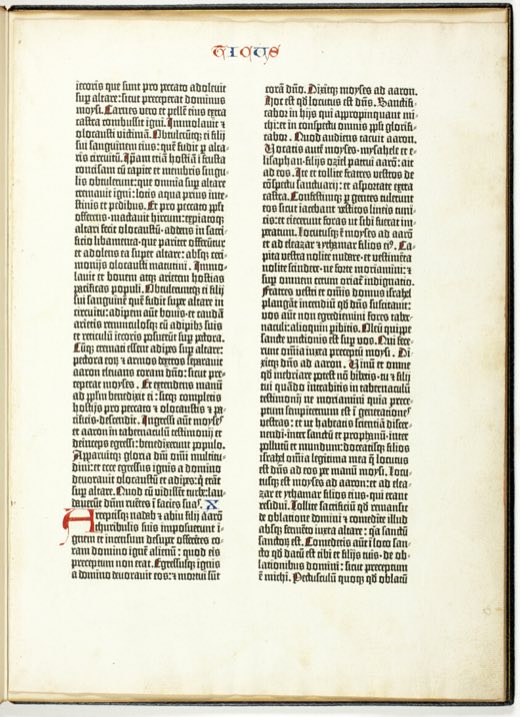
In the West the Old Latin, translated from the Greek, was in use by about AD 250. In 382 Pope Damasus asked the scholar Jerome to revise the Gospels; later, near Bethlehem, Jerome translated most of the Old Testament from Hebrew, about 390–405. Criticized at first, his work became the Vulgate, the “common” Bible; in 1546 the Council of Trent made it the official Latin Bible of the Catholic Church. Other peoples received the Bible in their own tongues, sometimes with a new alphabet: Coptic in Egypt by about the 3rd century, Gothic by Ulfilas in the 4th, Armenian in the 5th, Ge’ez in Ethiopia, and Slavonic by the brothers Cyril and Methodius in the 9th.
Key verses
And in the days of Artaxerxes king of Persia, Bishlam, Mithredath, Tabeel, and the rest of his associates wrote a letter to Artaxerxes. It was written in Aramaic and then translated.So they read from the Book of the Law of God, explaining it and giving insight, so that the people could understand what was being read.Then the astrologers answered the king in Aramaic, “O king, may you live forever! Tell your servants the dream, and we will give the interpretation.”Many of the Jews read this sign, because the place where Jesus was crucified was near the city, and it was written in Hebrew, Latin, and Greek.Sources
Adapted and shortened from the Tyndale Open Bible Dictionary · CC BY-SA 4.0
Tyndale Open Bible Dictionary © 2023 Tyndale House Publishers · CC BY-SA 4.0 — Bible*, Versions of the (Ancient): Earliest Versions of the Old Testament; Bible*, Manuscripts and Text of the (Old Testament): The Aramaic Targums; Bible*, Versions of the (Ancient): Syriac Versions; Bible*, Versions of the (Ancient): Latin Versions; Vulgate*, the; Bible*, Versions of the (Ancient): Coptic Versions; Bible*, Versions of the (Ancient): Gothic Version; Bible*, Versions of the (Ancient): Armenian Version; Bible*, Versions of the (Ancient): Ethiopic Version; Bible*, Versions of the (Ancient): Slavonic Version
Adapted from Tyndale Open Bible Dictionary: articles chosen, shortened and retold in our own words (history, nature and daily life only) and, in languages other than English, machine-translated. The original work by Tyndale House Publishers is available for free at tyndaleopenresources.com.