Encyclopedia › How the Bible came to be
How the Bible came to be
How the Bible is arranged
Tanakh: Torah, Prophets, Writings · chapters early 13th century · verses 1551
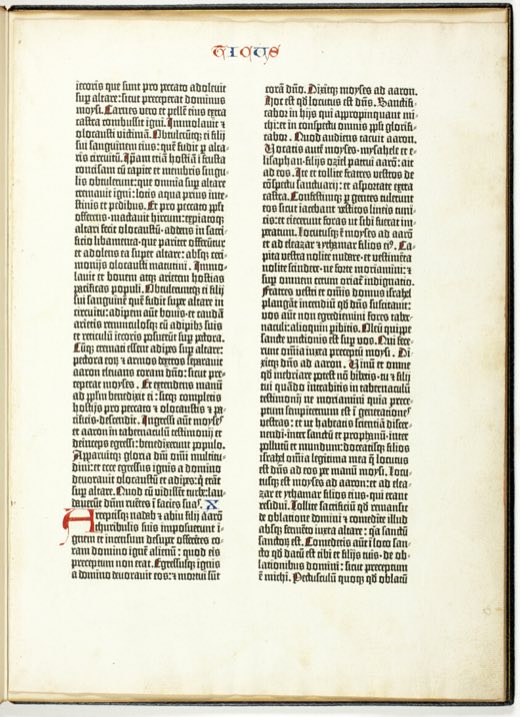
Christian Bibles have two parts, the Old and New Testaments, but the order of books varies. The Jewish Bible, the Tanakh, has three parts: the Torah; the Prophets — Joshua to Kings, then Isaiah, Jeremiah, Ezekiel and the Twelve, counted as one book; and the Writings, which in printed Hebrew Bibles end with Chronicles. The Septuagint and Vulgate grouped the books by kind — law, history, poetry, prophets — and Christian Bibles followed them: Ruth after Judges, Lamentations after Jeremiah, Daniel among the prophets. The Greek Psalter counts Psalms 9 and 10 as one, so most psalms in Orthodox and older Catholic Bibles are numbered one lower: Psalm 23 is Psalm 22.
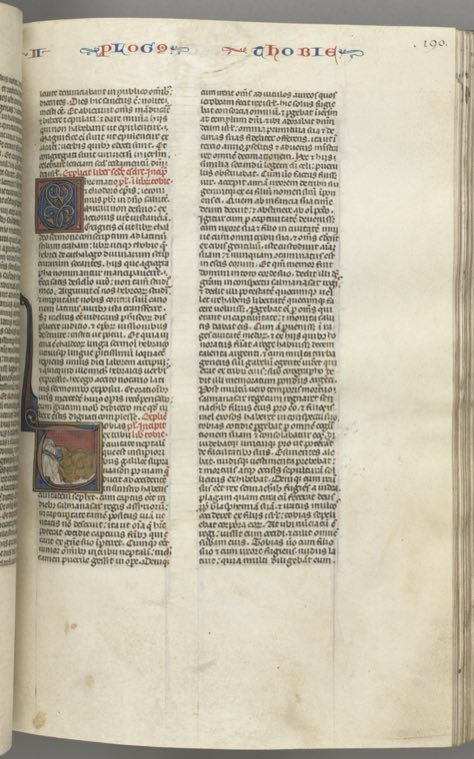
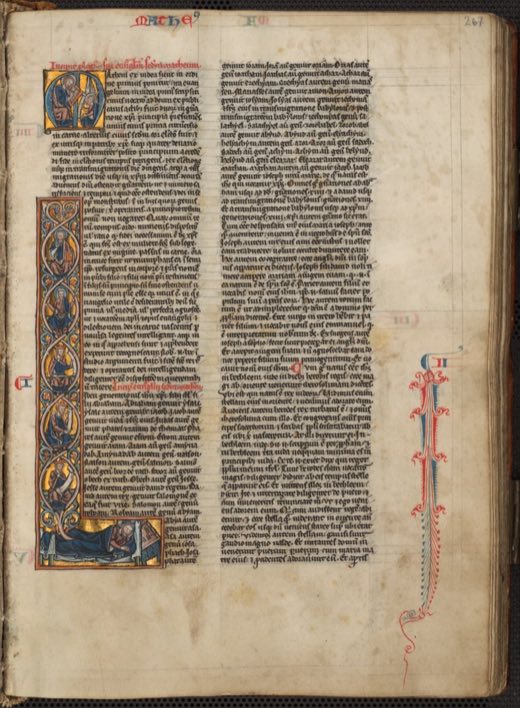
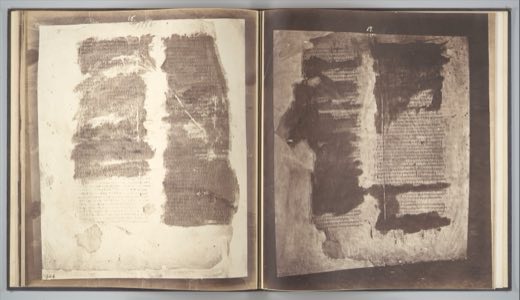
In the New Testament, Paul’s letters run roughly from longest to shortest, letters to churches before letters to individuals. Many Greek manuscripts, and Slavonic and Russian Bibles, put the General letters after Acts. Hebrews names no author; in a papyrus of Paul’s letters from about AD 200 it follows Romans, in the great codices 2 Thessalonians, and Luther moved it, with James, Jude and Revelation, to the end. Chapters go back to Stephen Langton in the early 13th century; Robert Estienne numbered the New Testament verses in 1551.
Sources
Adapted and shortened from the Tyndale Open Bible Dictionary · CC BY-SA 4.0
Tyndale Open Bible Dictionary © 2023 Tyndale House Publishers · CC BY-SA 4.0 — Bible*, Canon of the: Canon of the Old Testament; Judaism; Psalms, Book of: Structure; Daniel, Book of; Lamentations, Book of: Author; Catholic Letters*; Bible*, Manuscripts and Text of the (New Testament): The Chester Beatty Papyri; Bible*, Versions of the (Ancient)
Adapted from Tyndale Open Bible Dictionary: articles chosen, shortened and retold in our own words (history, nature and daily life only) and, in languages other than English, machine-translated. The original work by Tyndale House Publishers is available for free at tyndaleopenresources.com.