Encyclopedia › How the Bible came to be
How the Bible came to be
Printing and the Reformation Bibles
Gutenberg Bible about 1455 · Luther’s New Testament 1522 · King James Version 1611
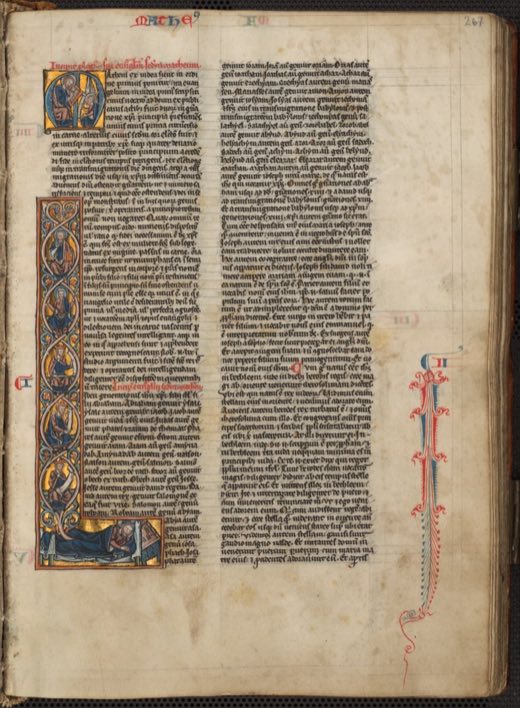
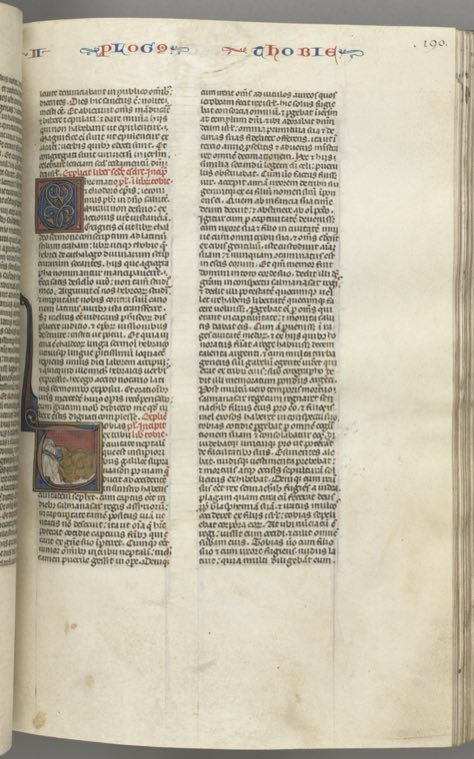
Until the 15th century every Bible was copied by hand. Johannes Gutenberg of Mainz printed with movable metal type; his first great book, about 1455, was a Latin Bible. In 1516 Erasmus published a printed Greek New Testament based on a few late manuscripts; with small changes his text became the Textus Receptus, the “received text”. Chapters are usually credited to Stephen Langton in the 13th century, New Testament verse numbers to the printer Estienne in 1551; earlier readers named passages, like “the burning bush in the Book of Moses” (Mark 12:26).
Printing spread translations from the original languages. Martin Luther’s German New Testament appeared in 1522 and his whole Bible in 1534. In England, John Wycliffe’s circle had translated the Latin Bible about 1380–1382. William Tyndale printed his New Testament from the Greek abroad in 1525–26; copies were smuggled into England and burned, and he was executed near Brussels in 1536. Miles Coverdale completed the first printed English Bible in 1535. English exiles in Geneva made the Geneva Bible of 1560, affordable and full of notes. In 1604 King James I approved a new translation without such notes, and about 50 scholars produced the King James Version of 1611.
Key verses
But concerning the dead rising, have you not read about the burning bush in the Book of Moses, how God told him, ‘I am the God of Abraham, the God of Isaac, and the God of Jacob’?So Ezra read it aloud from daybreak until noon as he faced the square before the Water Gate, in front of the men and women and those who could understand. And all the people listened attentively to the Book of the Law.Now the Bereans were more noble-minded than the Thessalonians, for they received the message with great eagerness and examined the Scriptures every day to see if these teachings were true.How is it then that each of us hears them in his own native language?Blessed is the one who reads aloud the words of this prophecy, and blessed are those who hear and obey what is written in it, because the time is near.Sources
Adapted and shortened from the Tyndale Open Bible Dictionary · CC BY-SA 4.0
Tyndale Open Bible Dictionary © 2023 Tyndale House Publishers · CC BY-SA 4.0 — Bible*, Versions of the (Ancient); Bible*, Manuscripts and Text of the (New Testament): The Text of the New Testament; Textus Receptus*; Daniel, Additions to: Prayer of Azariah and the Song of the Three Young Men; Bible*, Versions of the (English): Wycliffe’s Version; Bible*, Versions of the (English): Tyndale’s Translation; Bible*, Versions of the (English): Coverdale’s Version; Bible*, Versions of the (English): The Geneva Bible and the Bishops’ Bible; Geneva Bible*; Bible*, Versions of the (English): The King James Version
Adapted from Tyndale Open Bible Dictionary: articles chosen, shortened and retold in our own words (history, nature and daily life only) and, in languages other than English, machine-translated. The original work by Tyndale House Publishers is available for free at tyndaleopenresources.com.