Encyclopedia › How the Bible came to be
How the Bible came to be
The great codices
Codex = bound book · Vaticanus, Sinaiticus (4th century), Alexandrinus (5th) · whole Greek Bibles
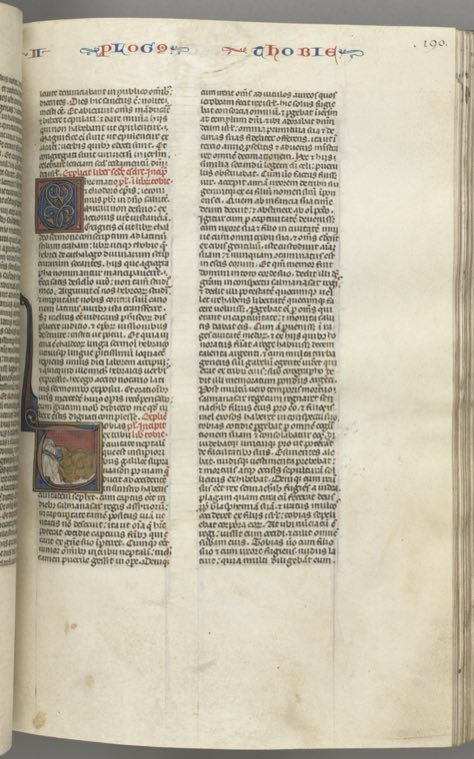
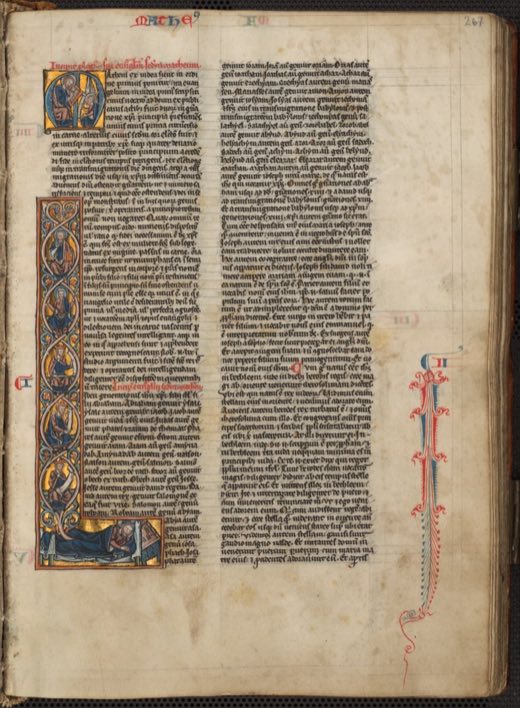
In the first century AD a new kind of book appeared, the codex: sheets of papyrus or parchment folded and sewn at the spine, like a modern book. It took writing on both sides, made a passage easier to find and could hold all four Gospels together. Christians were among its first users. By the 4th century Christian Bibles were mostly parchment codices; about AD 332 Emperor Constantine ordered fifty parchment Bibles from Eusebius, bishop of Caesarea.
Three great codices hold nearly the whole Bible in Greek, with books found in Orthodox and Catholic Bibles. Codex Vaticanus, from the 4th century, has been in the Vatican Library since at least 1475. Codex Sinaiticus, from the mid-4th century, was found by Constantin von Tischendorf at St Catherine’s Monastery, Mount Sinai, in 1844–1859. How it left the monastery is still disputed — by one view as a gift to the Russian tsar, by another as a loan never returned; most of it has been in London since 1933. Codex Alexandrinus, of the 5th century, came from Egypt and was given to King Charles I of England in 1627. Vaticanus and Sinaiticus both end Mark’s Gospel at 16:8.
Key verses
When you come, bring the cloak that I left with Carpus at Troas, and my scrolls, especially the parchments.After this letter has been read among you, make sure that it is also read in the church of the Laodiceans, and that you in turn read the letter from Laodicea.I charge you before the Lord to have this letter read to all the brothers.So the women left the tomb and ran away, trembling and bewildered. And in their fear they did not say a word to anyone.Sources
Adapted and shortened from the Tyndale Open Bible Dictionary · CC BY-SA 4.0
Tyndale Open Bible Dictionary © 2023 Tyndale House Publishers · CC BY-SA 4.0 — Writing: Codex; Bible*, Versions of the (Ancient); Alexandrinus*, Codex; Bible*, Manuscripts and Text of the (New Testament): Codex Sinaiticus (or א); Bible*, Manuscripts and Text of the (New Testament): Codex Alexandrinus (A); Bible*, Manuscripts and Text of the (New Testament): Codex Vaticanus (B)
Adapted from Tyndale Open Bible Dictionary: articles chosen, shortened and retold in our own words (history, nature and daily life only) and, in languages other than English, machine-translated. The original work by Tyndale House Publishers is available for free at tyndaleopenresources.com.