Encyclopedia › Human life in Bible times
Encyclopedia
Human life in Bible times
How people told the time of day and counted weeks, months and years, how they lived from birth to old age and mourning, how they married and kept friends, what their names meant, how they went to court over debts, land and wrongs, how the Law treated slaves, the poor and the weak, and how they wrote and counted numbers.
Time and the calendar
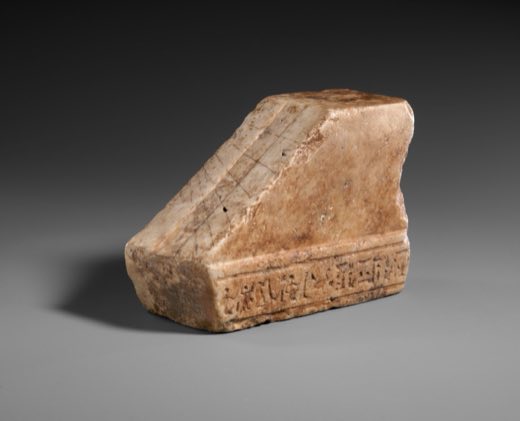 Morning, noon and evening: the parts of the dayHebrew boqer (morning), tsohorayim (noon), erev (evening) · the new day began at sunset
- The seven-day weekHebrew shavua · Greek sabbaton · days counted by number; only the Sabbath had a name
- The names of the monthsAbib, Ziv, Ethanim, Bul · after the exile Nisan, Sivan, Elul, Kislev, Tebeth, Shebat, Adar
- When the year beganThe spring month of Abib, later Nisan · the autumn ingathering · later Rosh Hashanah on 1 Tishri
- “In the year of King …”: how dates were countedNo common era · dated by years of reigns, by events and by other kings’ reigns
- The seventh year and the JubileeHebrew shmittah (release), yovel (ram’s horn) · fields fallow every seventh year · the fiftieth proclaimed
From birth to burial
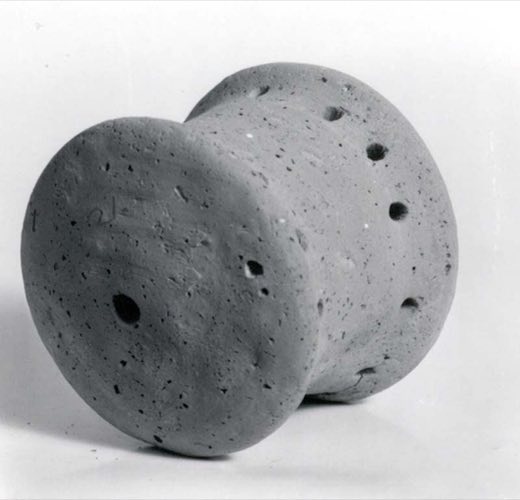 Children’s games and toysRattles, whistles, clay animals and knucklebones · boards of “twenty squares” and “fifty-eight holes”
- Coming of ageTwenty for the census and the army · Levites from 25 or 30 to 50
- Old ageHebrew zaqen (old, elder), sevah (gray hair) · “seventy years — or eighty”
- Blessings and last wordsA father’s blessing · “the way of all the earth” · putting one’s house in order
- Mourning and lamentTorn clothes, dust and sackcloth · seven or thirty days · wailing women and flute players
- Levirate marriageLatin levir, “brother-in-law” · Hebrew yibbum · Tamar, Ruth and the Sadducees’ question
- Adoption and foster childrenMoses, Genubath, Esther · Ephraim and Manasseh counted as Jacob’s · adoption in Rome
- Widows, orphans and foreignersThree without a family to protect them · gleanings, the third-year tithe, a cloak not taken in pledge
- Circumcision on the eighth dayHebrew mul, “to circumcise” · on the eighth day · flint knives · “circumcision of the heart”
- The firstborn: birthright and redemptionHebrew bekor, “firstborn” · a double portion · redeemed for five shekels
- How children learnedTeaching at home · the Law read aloud · abecedaries on potsherds · “at the feet of Gamaliel”
Marriage and family law
- Bride-price and dowryHebrew mohar, paid to the bride’s father · gifts to the bride · her dowry
- More than one wifeLamech’s two wives · rival wives · Solomon’s 700 · “the husband of but one wife”
- Divorce in the Law and the GospelsA certificate of divorce · “some indecency” · Hillel and Shammai · “except for sexual immorality”
- Whom one could marryClose relatives forbidden · a wife from one’s own kin · within the tribe · foreign wives
Friends, gifts and manners
- Friends and friendshipHebrew rea and ohev · David and Jonathan · Ruth and Naomi · “the king’s friend”
- Bowing, kissing and other gesturesBowing to the ground · the kiss · striking hands · the sandal · shaking off dust
- Gifts and presentsGifts to open doors · tribute and treasure · “a little balm and a little honey”
- Honor and shameHebrew kavod, “weight, honor” · a good name · places at the table · shaved beards
Rich and poor, strong and weak
- Prophetesses, a judge and queensMiriam, Deborah, Huldah, Anna · the queen mother · Athaliah, who ruled alone
- The blind and the lame in daily lifeNo stumbling block before the blind · priests with a defect · Mephibosheth at the king’s table
- Rich and poor“There will never cease to be poor” · land joined to land · the rich man and Lazarus
What names meant
- What a name saidNames as words and short sentences · given by the mother or the father
- Names with God’s name in them-el and -iah, Eli- and Jeho- · Baal in Saul’s family · Bel and Nebo in Babylon
- What place names meantBeth- (house), En- (spring), Beer- (well), Kiriath- (town), Gibeah (hill)
- New namesAbram and Abraham, Jacob and Israel, Hoshea and Joshua · names given by foreign kings
- “Son of …” and “of Nazareth”: how people were calledNo family surnames · a father’s name, a home town, a trade or a nickname
Law and courts in daily life
- Elders and judges: going to lawHebrew shofet (judge), zaqen (elder) · cases heard at the gate · hard cases sent higher
- Witnesses and oathsTwo or three witnesses · “As surely as the LORD lives” · a raised hand
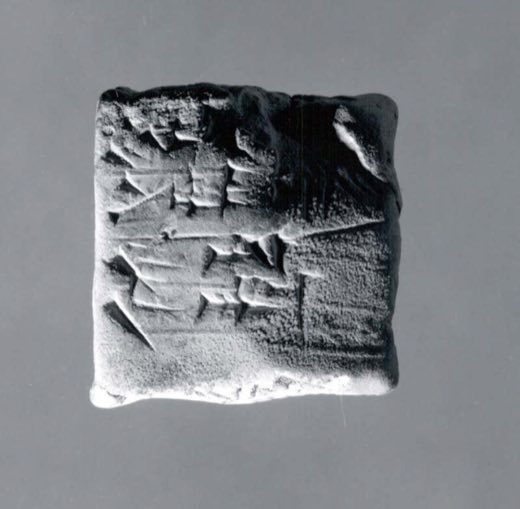 Debts, loans and pledgesNo interest from a poor neighbour · a cloak returned by sunset · millstones never pledged
- The kinsman-redeemer (go’el)Hebrew go’el · buying back land and kin · the avenger of blood
- Debt slaves and their releaseSix years of service · free in the seventh · an ear pierced at the doorpost
- Cities of refugeKedesh, Shechem, Hebron · Bezer, Ramoth, Golan · until the death of the high priest
- Buying a fieldSilver weighed before witnesses at the gate · the sandal · a sealed and an open deed
- Damages and restitutionFourfold for a sheep, fivefold for an ox · the goring ox · the open pit
- Slaves in the Law of MosesSlaves bought from the nations · punished for killing a slave · the runaway not returned
Numbers and counting
- How numbers were writtenWords in the Bible text · number signs on potsherds · later, letters as numerals
- Round numbers and great numbersForty, ten, a thousand · “three things … four” · great figures read in more than one way
- Tens, fifties and thousands; halves and tenthsLeaders of thousands, hundreds, fifties and tens · a fifth, a tenth · sixties in Babylon
- Counting people: censusesMen of twenty and older · a half shekel a head · lists of families and towns