Encyclopedia › Human life in Bible times
Human life in Bible times
Circumcision on the eighth day
Hebrew mul, “to circumcise” · on the eighth day · flint knives · “circumcision of the heart”
Circumcision was the mark of the covenant with Abraham: “Every male among you must be circumcised… and this will be a sign of the covenant between Me and you” (Genesis 17:10–11). A boy was circumcised “when he is eight days old”, and the law included slaves born in the house or bought (Genesis 17:12). Israel was not the only people to do it. Egyptian tomb reliefs from about 2300 BC show the operation, and Jeremiah names Egypt, Edom, Ammon and Moab among peoples who were circumcised (Jeremiah 9:25–26). The Philistines did not practice it, and “uncircumcised” became a byword for them (1 Samuel 17:26).
The cutting was done with a knife of stone: Zipporah used “a flint knife” on her son (Exodus 4:25), and Joshua made “flint knives” to circumcise the generation born in the wilderness (Joshua 5:2–3). In the Gospels the eighth day was also the naming day: John was named at his circumcision (Luke 1:59–60), and Jesus “was named Jesus” when the eight days had passed (Luke 2:21). Under Antiochus IV the practice was forbidden on pain of death, and some Jews who wanted to look Greek in the gymnasium tried to hide it. In the first churches the question whether Gentile believers must be circumcised was settled at the council of Jerusalem; Paul wrote, “Circumcision is nothing and uncircumcision is nothing. Keeping God’s commandments is what counts” (1 Corinthians 7:19).
In art
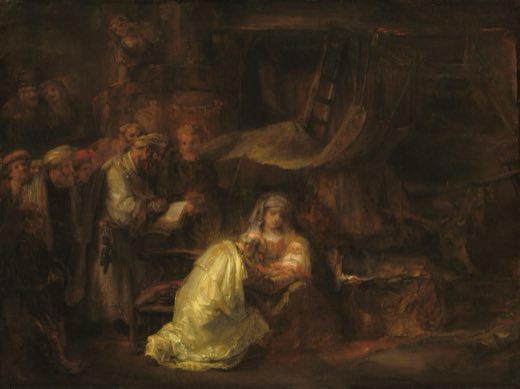 The Circumcision
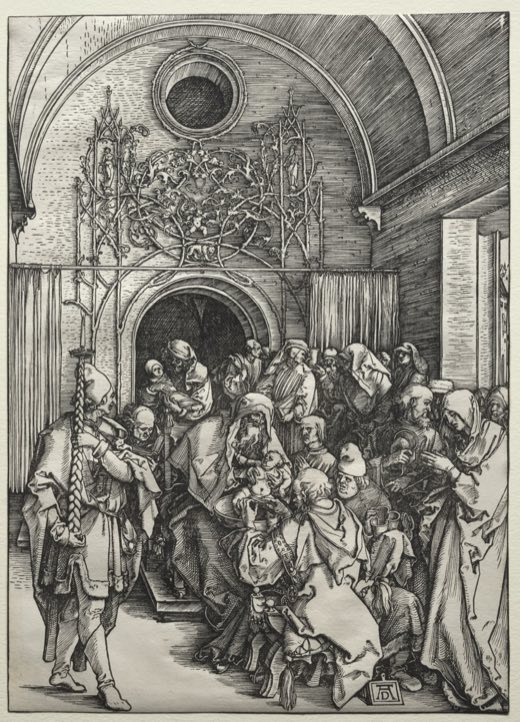 The Circumcision
See also
- ChildrenHome and family
- The council of JerusalemJewish groups and the Roman world
- Antiochus IV EpiphanesRulers around the Bible
- Proselytes and God-fearersJewish groups and the Roman world
- The firstborn: birthright and redemptionHuman life in Bible times
- Diamond, adamant and flintPrecious stones and metals
- AbrahamPeople
- ZipporahPeople
- TimothyPeople
Sources: Tyndale Open Bible Dictionary © 2023 Tyndale House Publishers, CC BY-SA 4.0 — adapted and shortened; the original work is available for free at tyndaleopenresources.com · Sources and rights