Encyclopedia › Human life in Bible times
Human life in Bible times
What a name said
Names as words and short sentences · given by the mother or the father
Hebrew names are ordinary words or short sentences, and the Bible often explains them. A name could recall the birth: Jacob was born “grasping Esau’s heel” (Genesis 25:26), and Isaac’s name means “he laughs” — “God has made me laugh,” said Sarah (Genesis 21:6). It could hold the mother’s feelings: Leah named her first son Reuben, “for she said, ‘The LORD has seen my affliction’” (Genesis 29:32), and Hannah called hers Samuel, “Because I have asked for him from the LORD” (1 Samuel 1:20). A mother dying in the evil days after the ark was lost named her boy Ichabod, “The glory has departed” (1 Samuel 4:21).
Some names recall the times: Peleg, “because in his days the earth was divided” (Genesis 10:25). Prophets gave their children names that carried their message, like Isaiah’s son Maher-shalal-hash-baz, “quick to the plunder, swift to the spoil” (Isaiah 8:3). Abigail says of her husband, “His name means Fool, and folly accompanies him” (1 Samuel 25:25). Many explanations in the text play on the sound of a name, and scholars sometimes trace another origin. The same names appear on seals and ostraca of the time.
In art
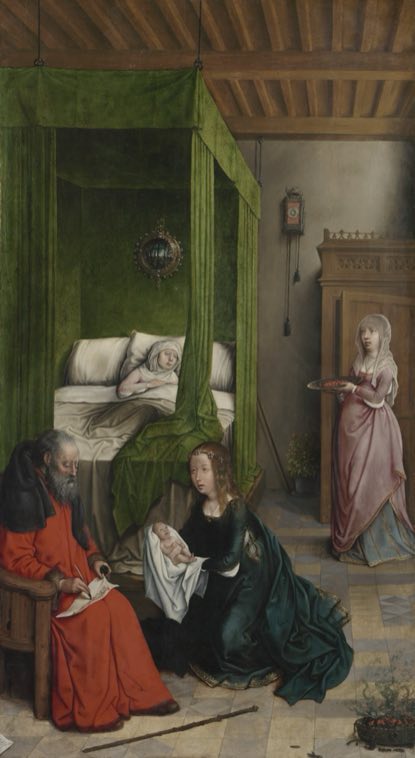 The Birth and Naming of John the BaptistJuan de Flandes
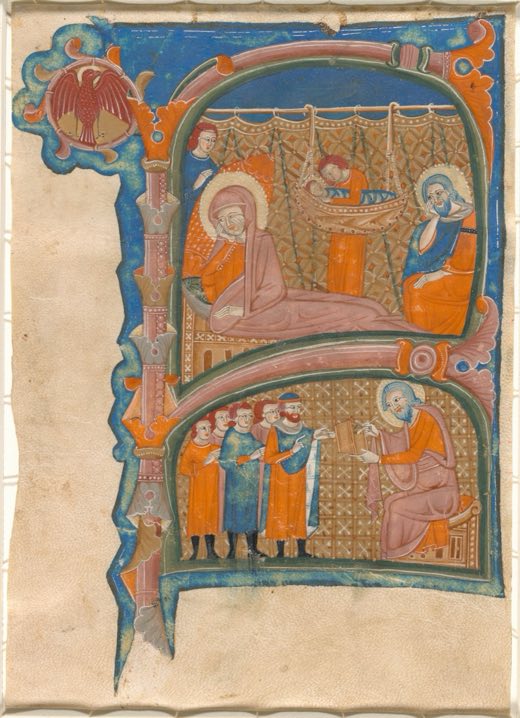 Birth and Naming of John the BaptistItalian painter
See also
- ChildrenHome and family
- Names with God’s name in themHuman life in Bible times
- New namesHuman life in Bible times
- “Son of …” and “of Nazareth”: how people were calledHuman life in Bible times
- What place names meantHuman life in Bible times
- Names from the BibleThe Bible in culture
- People and places named after animalsAnimals of the Bible
- People and places named after plantsPlants of the Bible
- Wordplay that works only in HebrewLanguages of the Bible
- Names the New Testament translatesLanguages of the Bible
- What Greek and Latin names meantThe Greek world of Paul
Sources: Tyndale Open Bible Dictionary © 2023 Tyndale House Publishers, CC BY-SA 4.0 — adapted and shortened; the original work is available for free at tyndaleopenresources.com · Sources and rights