Home › Explore › Museum objects
Encyclopedia
Museum objects
228 objects from the Art Institute of Chicago, the Metropolitan Museum of Art and the Cleveland Museum of Art, each beside the encyclopedia article it illustrates. Such objects show what things of that kind looked like — not the very ones the Bible names.
- Meanwhile in the world
- Animals of the Bible
- Money and measures
- Plants of the Bible
- Food and drink
- Work and trades
- Clothing and adornment
- Precious stones and metals
- Weapons and warfare
- Music and instruments
- Feasts and festivals
- Tabernacle and temple
- The Bible in stone
- How the Bible came to be
- Bible expressions we still use
- The sky of the Bible
89 objects
Meanwhile in the world
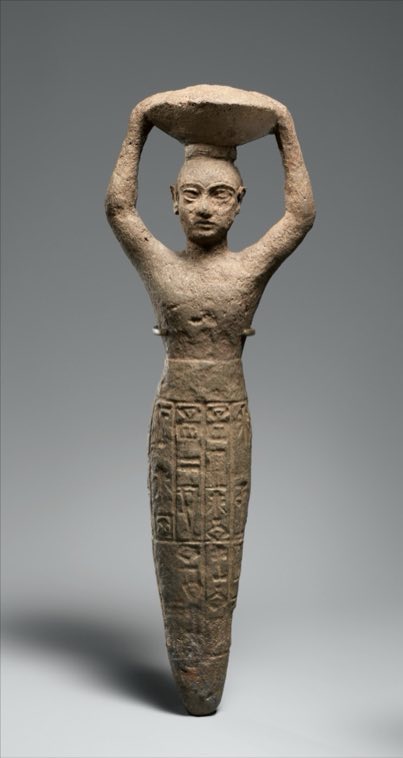 The Metropolitan Museum of Art, New York · 47.49Abram goes to CanaanCopper foundation figure of King Ur-Namma of Ur carrying a basket of earth for a temple, about 2112–2095 BC, 27.3 cm — Ur, by the usual view the…
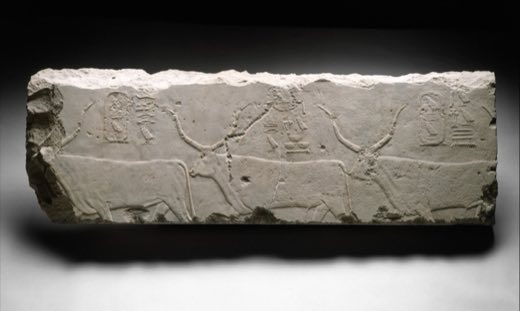 The Metropolitan Museum of Art, New York · 22.1.3a, bAbram goes to CanaanLimestone relief with cattle and the name of King Khufu, builder of the Great Pyramid, about 2551–2528 BC, 137.5 cm wide, later reused in a pyramid…
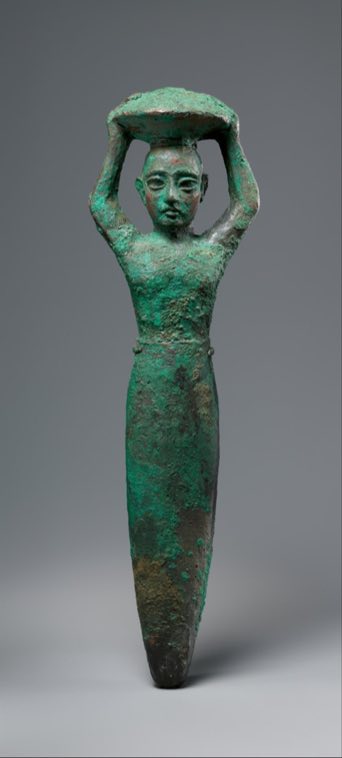 The Metropolitan Museum of Art, New York · 59.41.1Abram goes to CanaanCopper foundation figure of Shulgi, king of Ur and son of Ur-Nammu, carrying a basket of earth, about 2094–2047 BC, 31.1 cm, from a temple at Nippur…
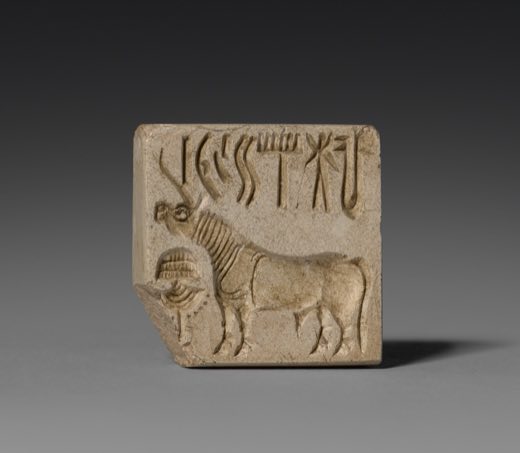 Cleveland Museum of Art · 1973.161Abram goes to CanaanStone seal with a one-horned animal and signs of the Indus script, about 2000 BC, 3.5 cm — from the cities of the Indus valley, whose writing is…
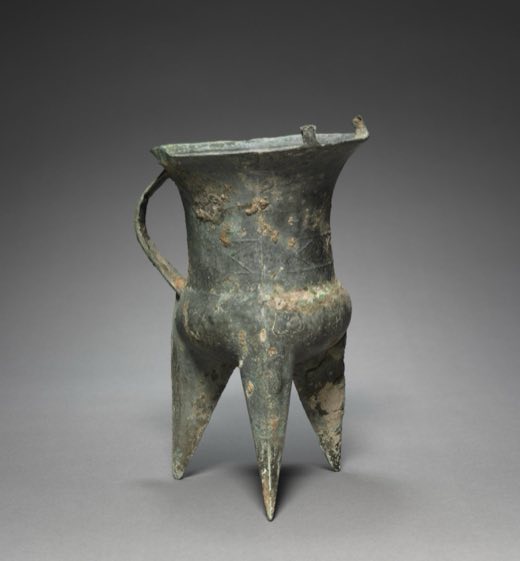 Cleveland Museum of Art · 1989.150Abram goes to CanaanBronze wine vessel of the Erlitou culture, about 1700–1500 BC, 24 cm, probably from Henan in China — one of the earliest Chinese bronze vessels.
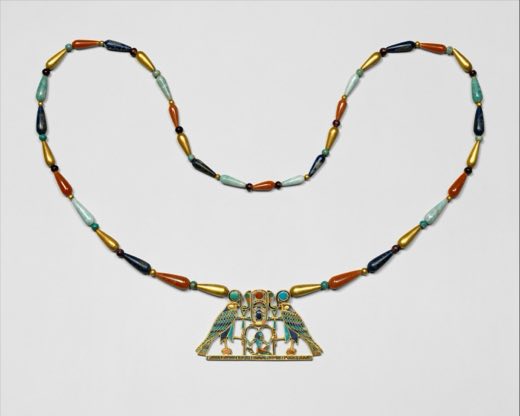 The Metropolitan Museum of Art, New York · 16.1.3a, bJoseph in Pharaoh’s courtGold pectoral of Princess Sithathoryunet with the name of Senwosret II, inlaid with carnelian, lapis lazuli and turquoise, Egypt, about 1887–1878…
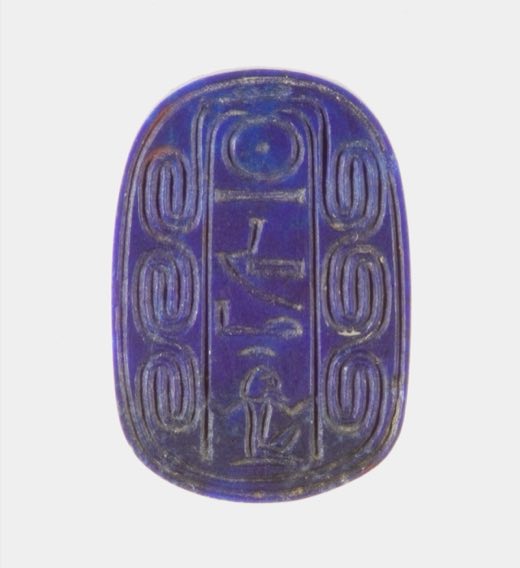 The Metropolitan Museum of Art, New York · 16.1.22Joseph in Pharaoh’s courtLapis lazuli scarab of Princess Sithathoryunet with the name of Amenemhat III, Egypt, about 1887–1813 BC, 1.7 cm. Engraved underneath, scarabs like…
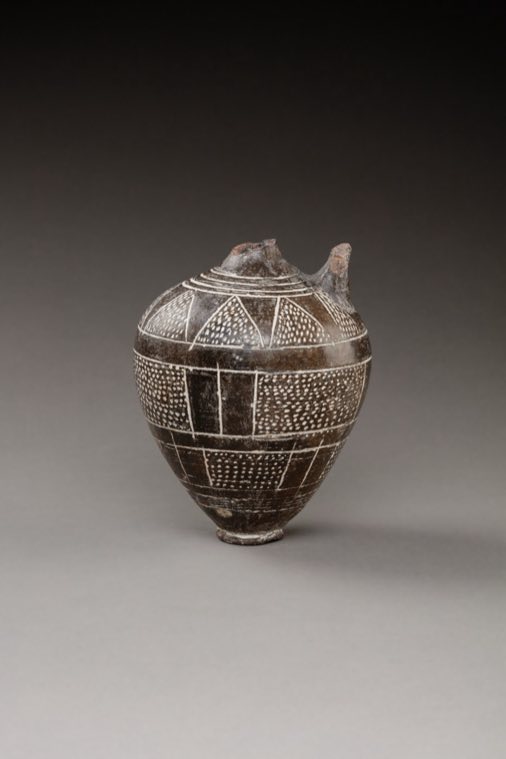 The Metropolitan Museum of Art, New York · 34.1.17Joseph in Pharaoh’s courtTell el-Yahudiya juglet found in Egypt, about 1802–1640 BC, 13.5 cm. Pottery of this kind, linked with settlers from the Levant, is found in great…
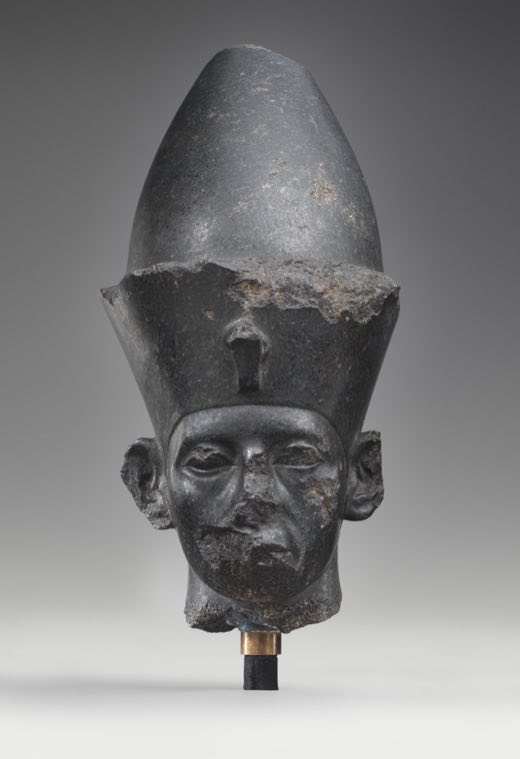 The Metropolitan Museum of Art, New York · 24.7.1Joseph in Pharaoh’s courtGranodiorite head of King Amenemhat III wearing the white crown of Upper Egypt, about 1859–1813 BC, 40.6 cm — the king who turned the Faiyum into…
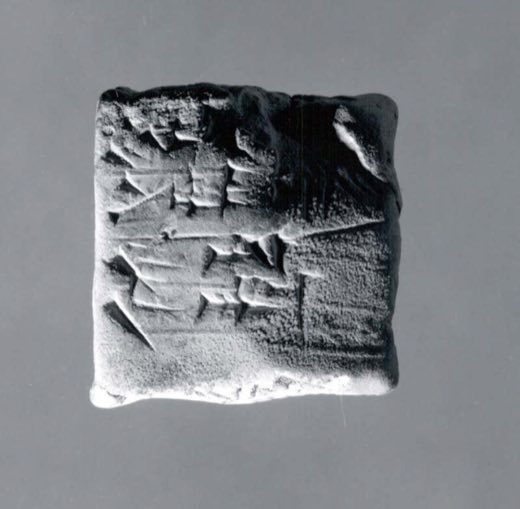 The Metropolitan Museum of Art, New York · 86.11.245Joseph in Pharaoh’s courtClay tablet recording a loan of barley, sealed with two cylinder seals, Babylonian, about 1780 BC, 2.8 cm — from the reign of Hammurabi, whose laws…
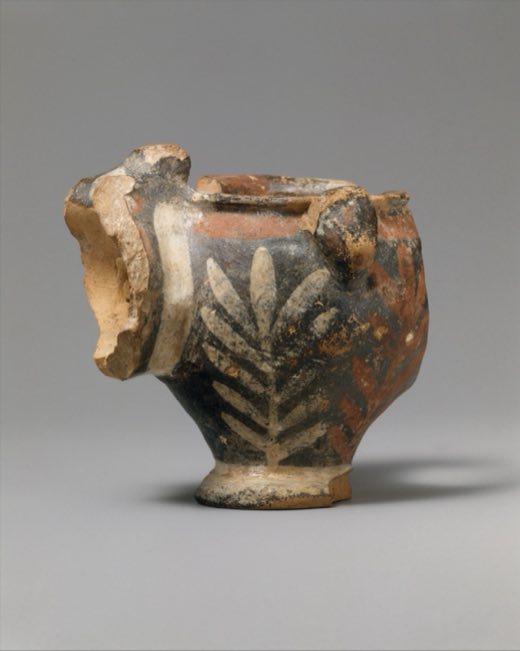 The Metropolitan Museum of Art, New York · 22.1.1406Joseph in Pharaoh’s courtSmall Kamares-ware jar from Crete, about 1981–1640 BC, 7 cm, found in Egypt — the painted pottery of the first Cretan palaces, traded as far as the…
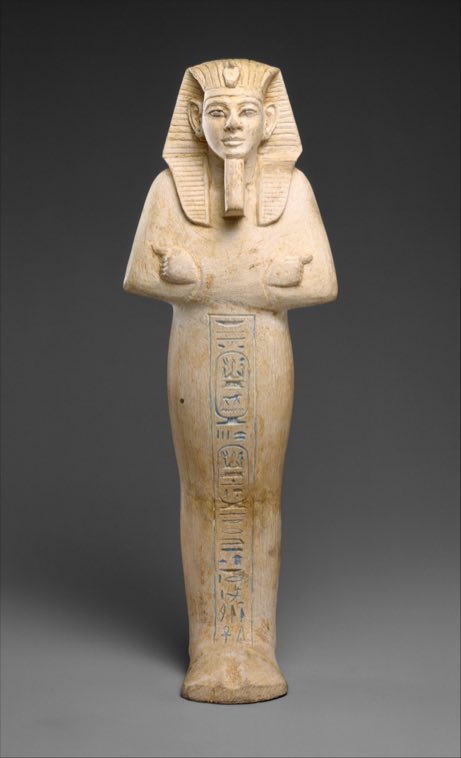 The Metropolitan Museum of Art, New York · 26.7.1451The ExodusFunerary figure made for Pharaoh Merneptah, about 1224–1214 BC, 18.5 cm — the king whose victory stele is the oldest known text that names Israel.
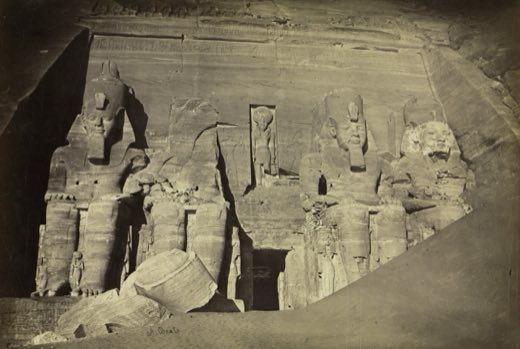 Cleveland Museum of Art · 1992.307The ExodusPhotograph of the 1860s: the temple of Ramesses II at Abu Simbel, cut into the cliff with four colossal seated statues of the king, half buried in…
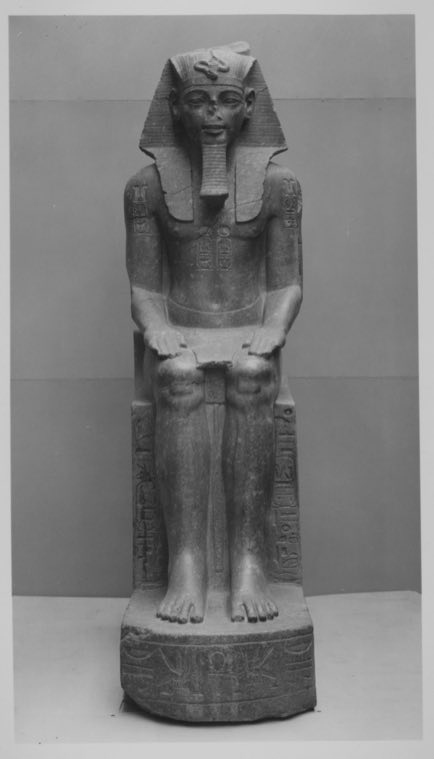 The Metropolitan Museum of Art, New York · 22.5.2The ExodusStone statue of Amenhotep III, about 1386–1347 BC, 228 cm, which Merneptah later recut with his own names — the pharaoh whose victory stele is the…
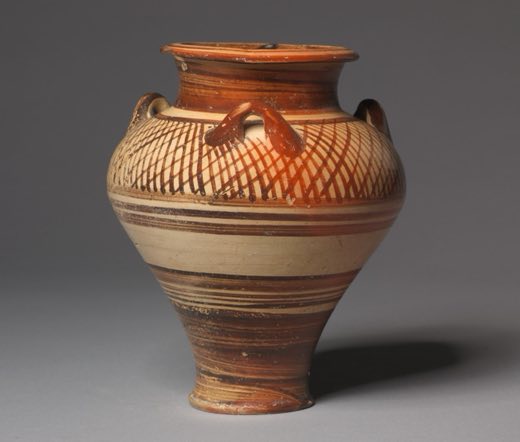 Cleveland Museum of Art · 1978.60The ExodusMycenaean pottery jar from Greece, about 1400–1300 BC, 17.8 cm — of the age of the Mycenaean palaces; jars like it were traded all over the…
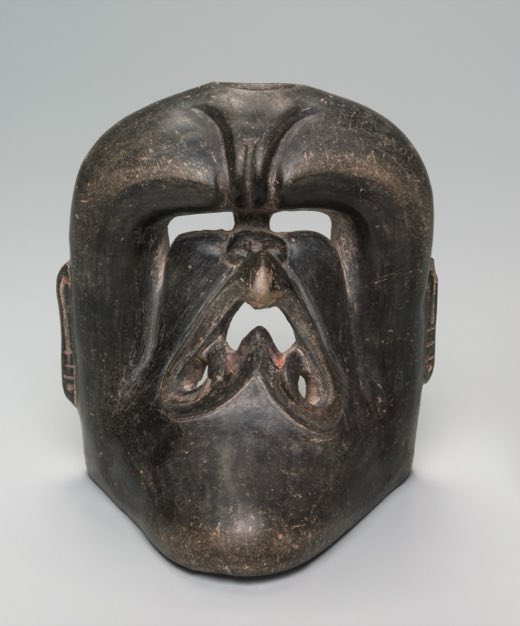 Cleveland Museum of Art · 2002.67The ExodusPottery vessel with the mask of a god in Olmec style, 1200–900 BC, 18 cm, probably from central Mexico — the age of San Lorenzo, the first great…
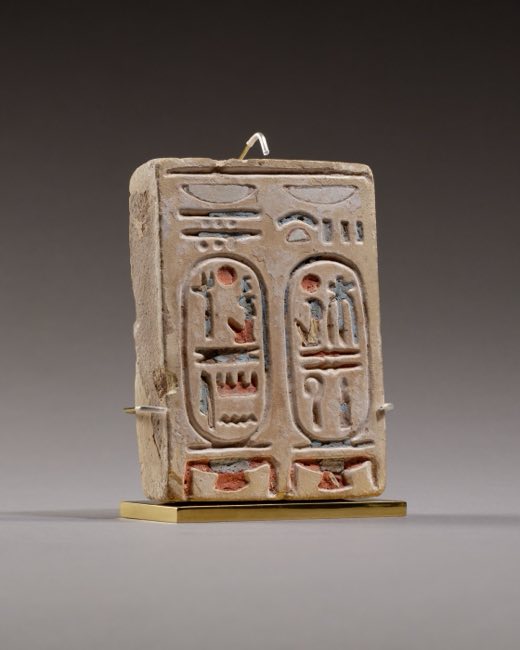 The Metropolitan Museum of Art, New York · 26.7.917Gideon’s three hundredFaience tile with the names of Ramesses III, about 1197–1166 BC, 9.5 cm, from Thebes — the pharaoh who fought off the Sea Peoples, the Philistines…
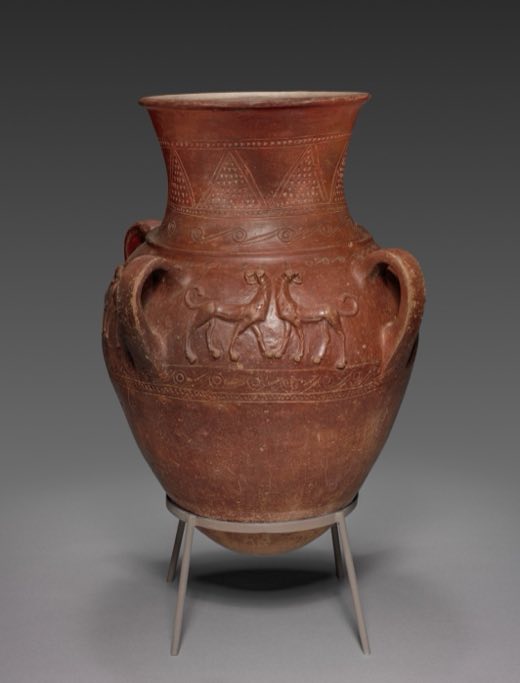 Cleveland Museum of Art · 1985.70Gideon’s three hundredHittite jar with scenes molded in relief, eastern Turkey, 1400–1200 BC, 61 cm — made in the last centuries of the Hittite kingdom, which fell about…
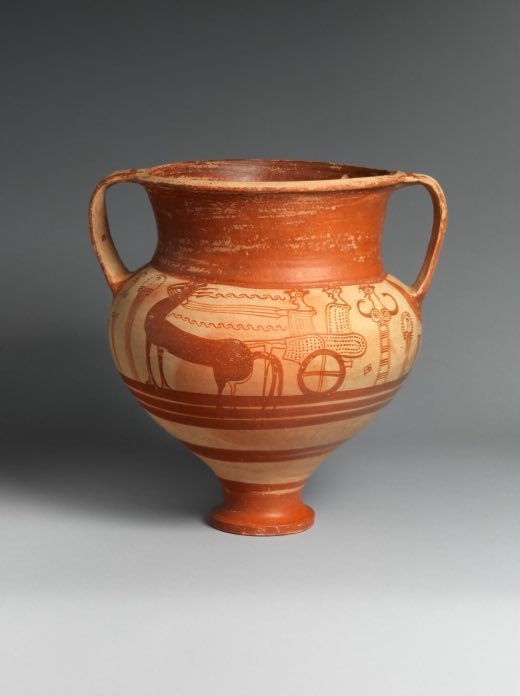 The Metropolitan Museum of Art, New York · 74.51.966Gideon’s three hundredMycenaean krater painted with a chariot, Greece, about 1300–1230 BC, 41.6 cm — made a generation or two before the palaces of Mycenaean Greece burned.
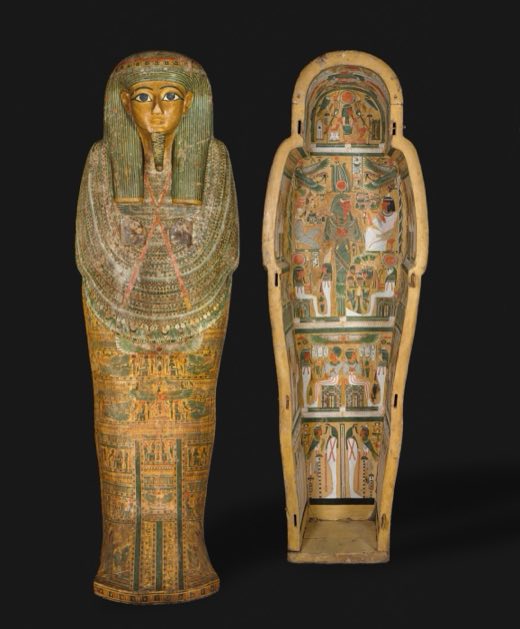 Cleveland Museum of Art · 1914.561David takes JerusalemPainted coffin of Bakenmut, a priest at Thebes in Egypt, about 1000–900 BC, 208 cm — Egypt in the age of David and Solomon.
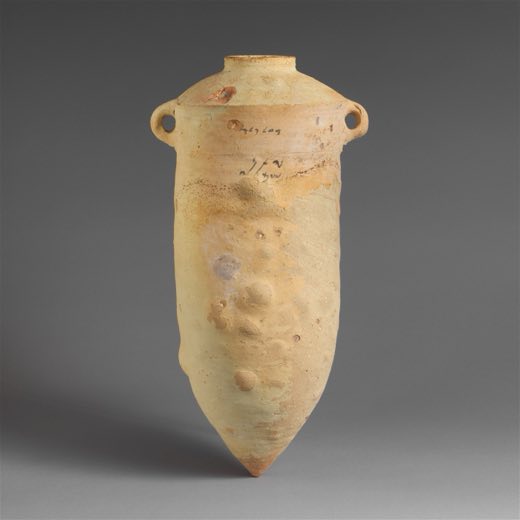 The Metropolitan Museum of Art, New York · 74.51.2300David takes JerusalemClay jar from Cyprus with a short inscription in Phoenician letters, 6th–5th century BC, 57.8 cm — later than David, but written in the same…
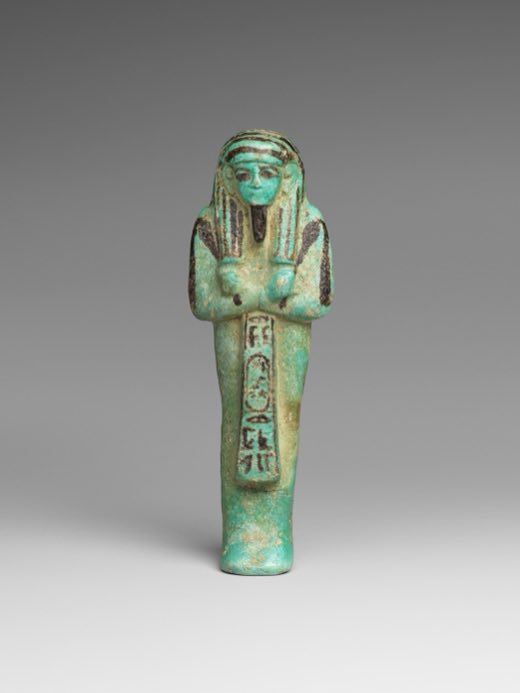 The Metropolitan Museum of Art, New York · 1971.272.13David takes JerusalemFaience funerary figure of Psusennes I, a king who ruled from Tanis in the Nile delta, about 1051–1002 BC, 13.7 cm, probably from Tanis — while high…
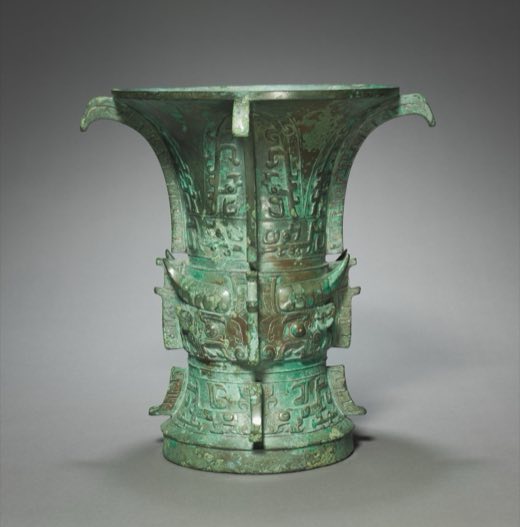 Cleveland Museum of Art · 1951.151David takes JerusalemBronze wine vessel of the Western Zhou, about 1000 BC, 29.5 cm — made soon after the Zhou overthrew the Shang and took over their bronze rites for…
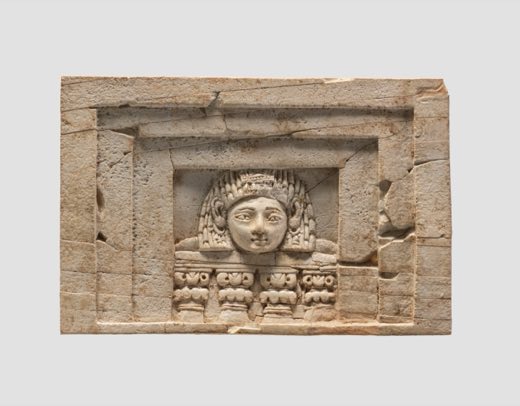 The Metropolitan Museum of Art, New York · 57.80.11Solomon builds the templeIvory furniture plaque of a woman at a window, Phoenician style, from Syria, 9th–8th century BC, 12.3 cm — a century or more after Solomon, whose…
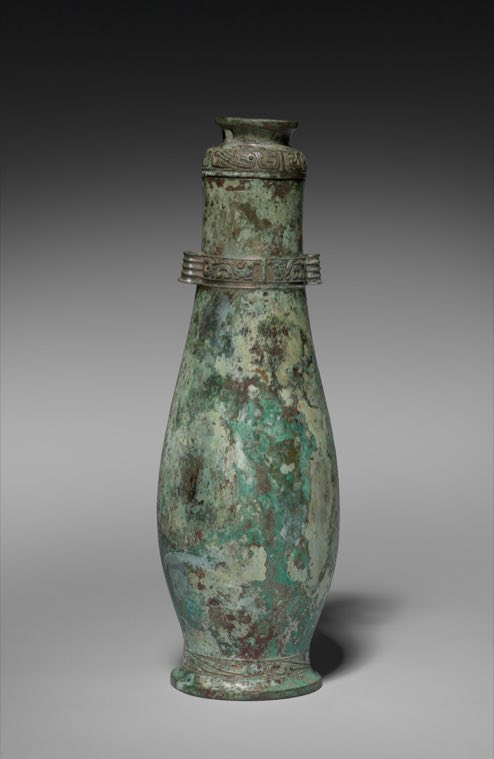 Cleveland Museum of Art · 1944.61Solomon builds the templeBronze wine vessel of the Western Zhou, China, about 1000–900 BC, 46.1 cm — of the dynasty in whose age the oldest songs of the Chinese Book of…
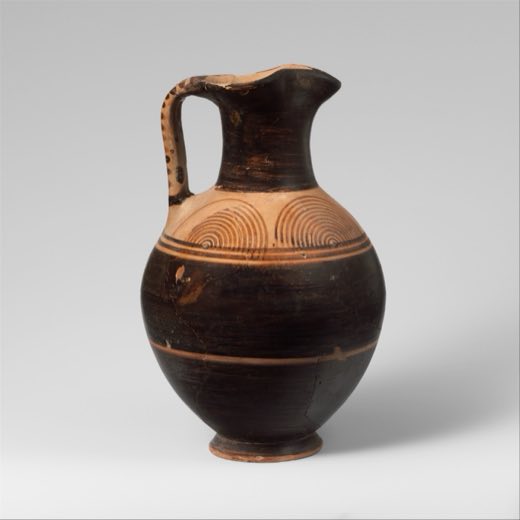 The Metropolitan Museum of Art, New York · 30.118.1Solomon builds the templeAthenian jug in the Protogeometric style, late 10th–early 9th century BC, 20 cm — Greek pottery of the age of the rich burial at Lefkandi.
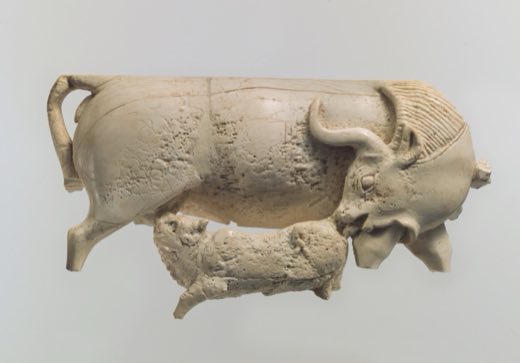 The Metropolitan Museum of Art, New York · 57.80.5Elijah on Mount CarmelIvory plaque of a cow suckling her calf, Phoenician style, from Syria, 9th–8th century BC, 11.3 cm. Ivories of this kind were found at Samaria, the…
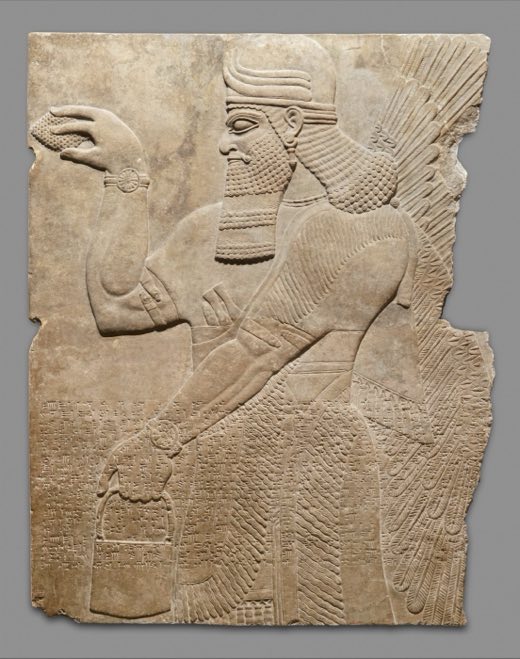 The Metropolitan Museum of Art, New York · 17.190.2077Elijah on Mount CarmelRelief of a winged protective spirit with the inscription of Ashurnasirpal II, from his palace at Nimrud, 883–859 BC, 164.1 cm — the father of…
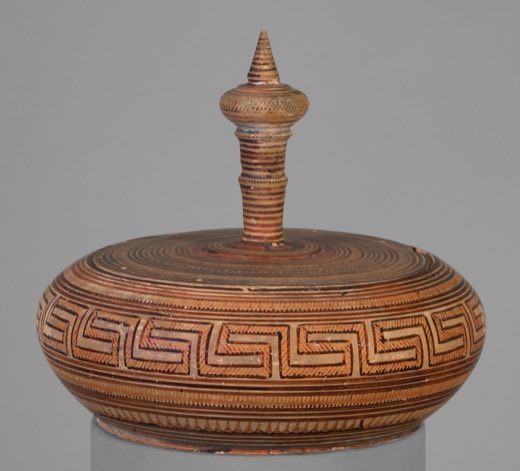 The Metropolitan Museum of Art, New York · 48.11.5a, bElijah on Mount CarmelAthenian box with lid in the Geometric style, painted with a meander band, about 800–760 BC, 28.5 cm across.
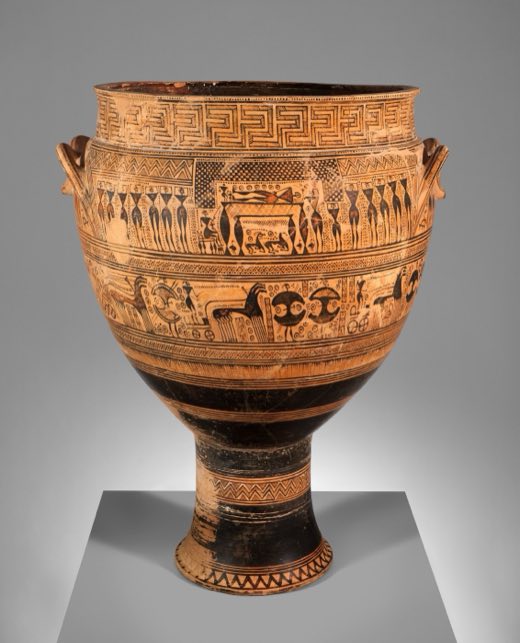 The Metropolitan Museum of Art, New York · 14.130.14Jonah in NinevehAthenian grave vase painted with a funeral and chariots, about 750–735 BC, 108.3 cm high — Greece in the age of Jeroboam II, when Jonah prophesied.
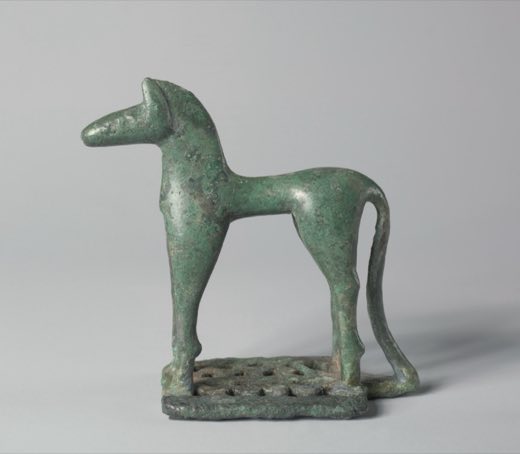 Cleveland Museum of Art · 1991.49Jonah in NinevehBronze horse, Greek, 750–725 BC, 7.3 cm. Small figures like it were offered in Greek sanctuaries, Olympia among them, in the first age of the Games.
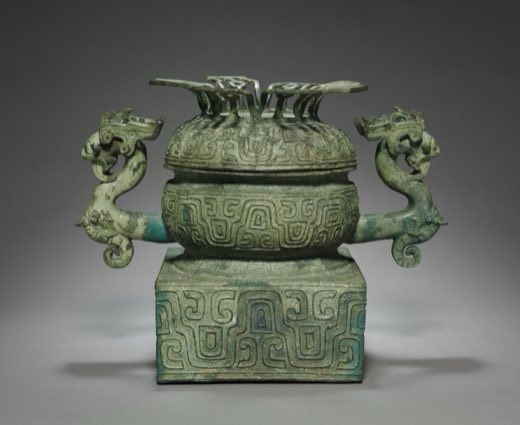 Cleveland Museum of Art · 1974.73Jonah in NinevehBronze food vessel for the rites of the ancestors, China, 600–500 BC, 34.3 cm — the Spring and Autumn age of rival states that began when the Zhou…
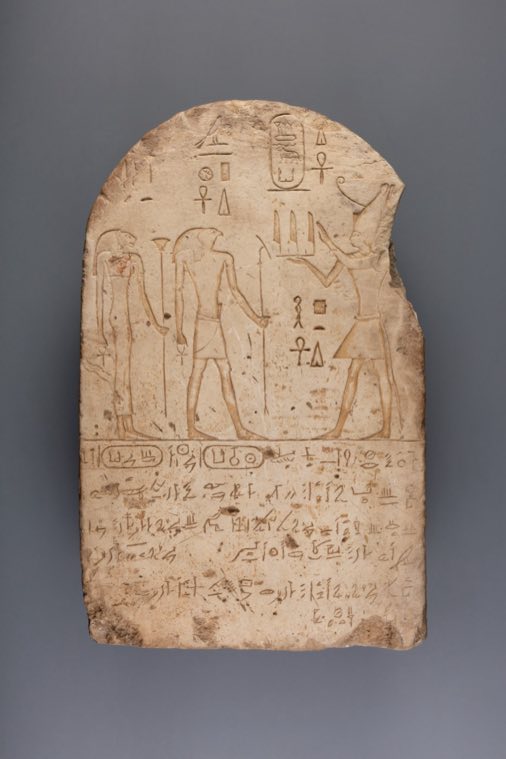 The Metropolitan Museum of Art, New York · 55.144.6Jonah in NinevehLimestone stela of Shabaqo, a king from Kush who ruled Egypt, about 705–690 BC, 37.5 cm — one of the Kushite kings of Egypt’s 25th dynasty.
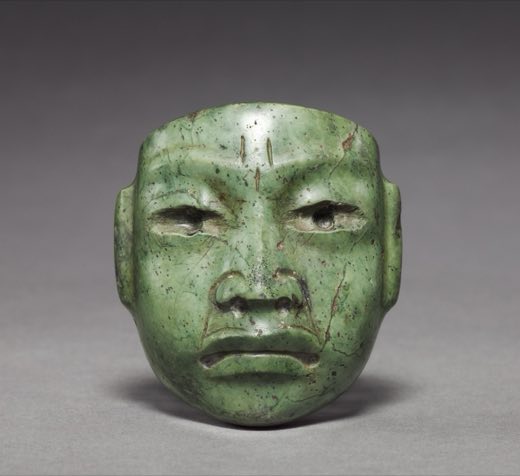 Cleveland Museum of Art · 1951.319Jonah in NinevehSmall greenstone mask, Olmec, about 900–400 BC, 6.9 cm — the age of La Venta, the Olmec center that raised one of the earliest pyramids of the…
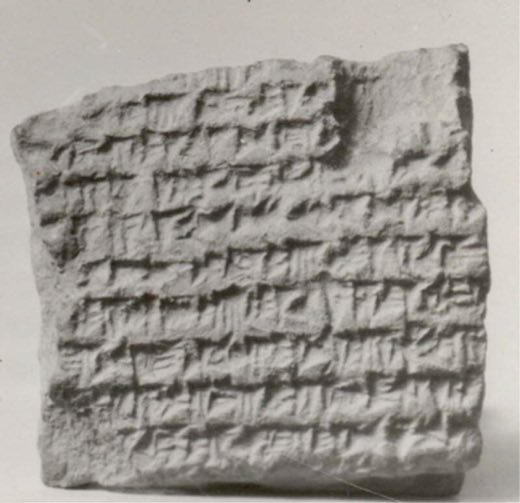 The Metropolitan Museum of Art, New York · 86.11.197Jerusalem is sparedFragment of a clay cylinder of Sennacherib, 704–681 BC, about 4 cm, with an account of his third campaign — the one that reached Judah in 701 BC.
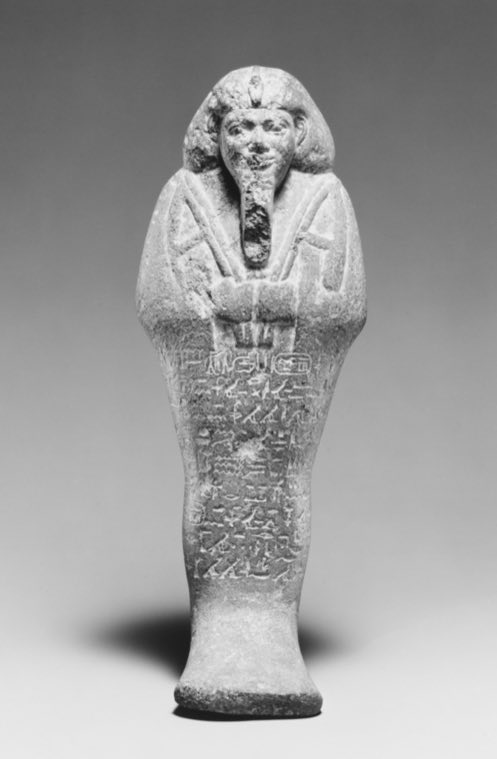 The Metropolitan Museum of Art, New York · 18.2.10Jerusalem is sparedFunerary figure of the Kushite pharaoh Taharqo, 690–664 BC, 20.3 cm — the king of Cush the Bible calls Tirhakah.
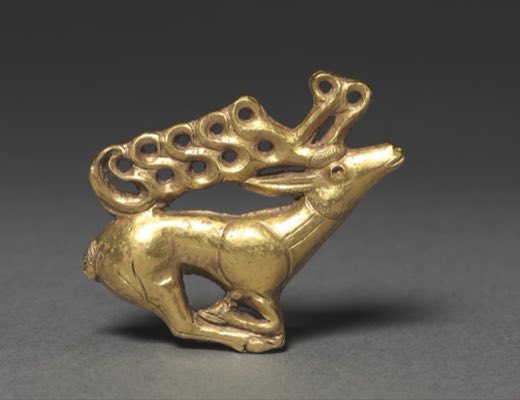 Cleveland Museum of Art · 1985.77Jerusalem is sparedGold plaque in the shape of a stag, Scythian, 400–300 BC, 4.1 cm — later than the Scythians’ arrival; gold work of this kind was found in their…
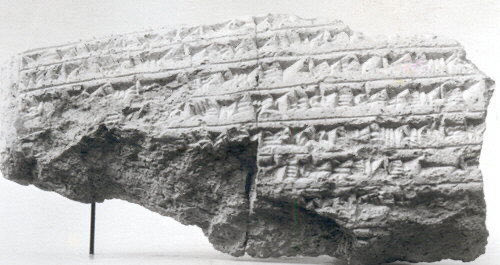 The Metropolitan Museum of Art, New York · 86.11.51Josiah’s reformClay cylinder of Ashurbanipal, 668–627 BC, 10.8 cm, telling how he restored the walls and gates of Borsippa — the king who gathered the great…
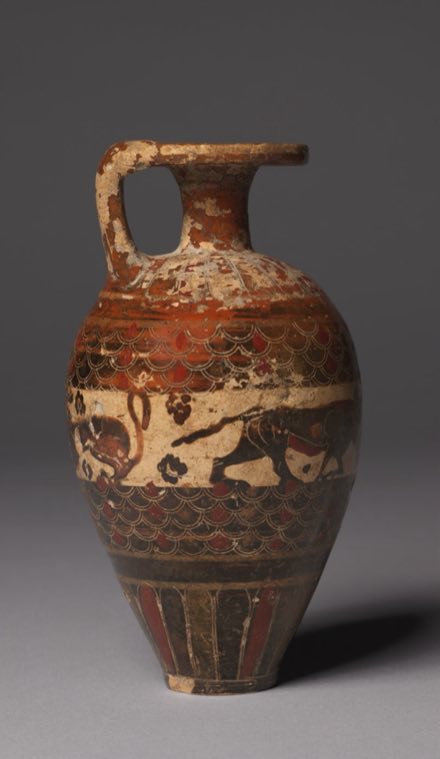 Cleveland Museum of Art · 1915.532Josiah’s reformCorinthian oil flask painted with animals, about 650–640 BC, 13.7 cm — Greek work of the century in which Draco wrote down the laws of Athens.
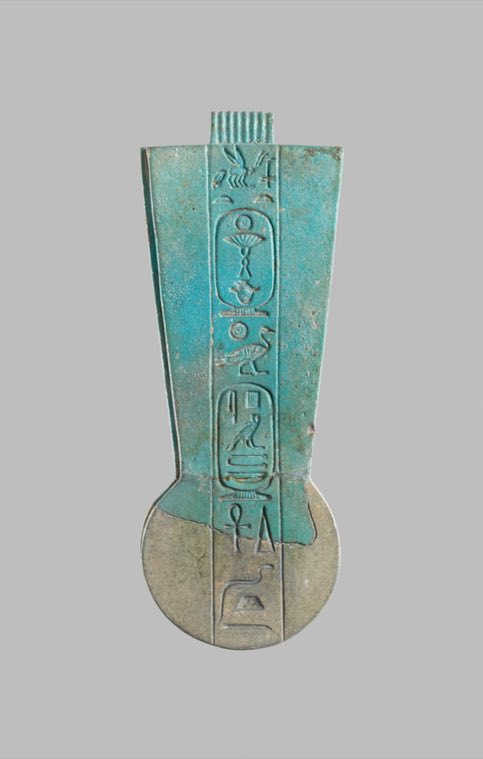 The Metropolitan Museum of Art, New York · 26.7.1047Josiah’s reformFaience counterpoise of a menat necklace with the names of Psamtik I, 11.7 cm — the king who reunited Egypt in 664–610 BC, father of the Neco who…
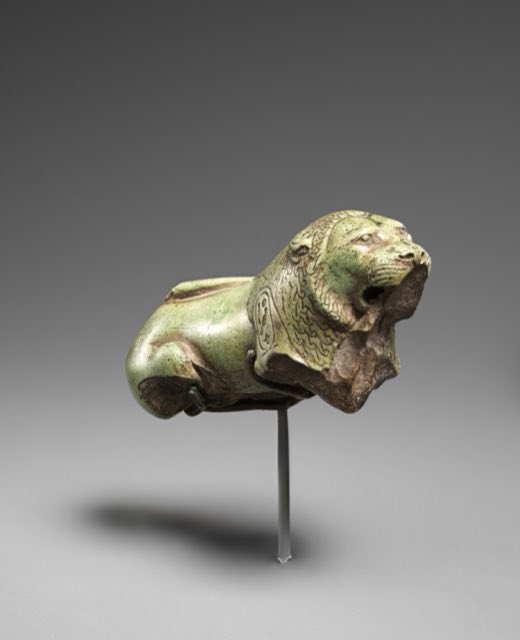 The Metropolitan Museum of Art, New York · 2019.259The fall of JerusalemGlazed lion with the names of Pharaoh Necho II, 610–595 BC, 5.6 cm — the Neco who killed King Josiah at Megiddo.
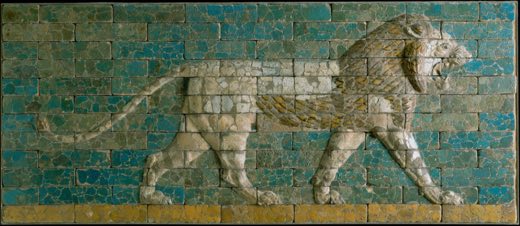 The Metropolitan Museum of Art, New York · 31.13.2The fall of JerusalemGlazed-brick panel with a striding lion, 604–562 BC, 230.5 cm long, from the Processional Way that led to the Ishtar Gate of Babylon, built under…
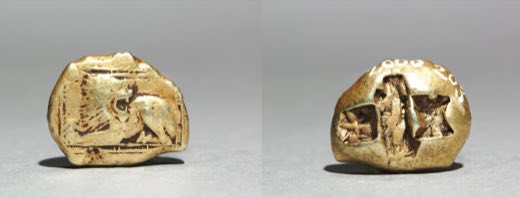 Cleveland Museum of Art · 2000.203The fall of JerusalemElectrum coin with a lion, struck at Miletus, a Greek city beside Lydia, 600–550 BC, 1.6 cm — one of the earliest coins, of the kind first made in…
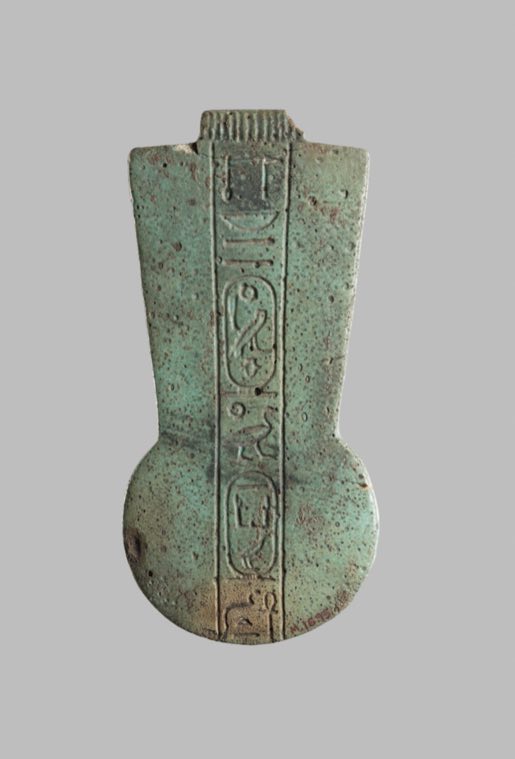 The Metropolitan Museum of Art, New York · 10.130.1695The fall of JerusalemGlazed counterweight of a menat necklace with the names of Necho II, 610–595 BC, 10.5 cm — the pharaoh who began a canal from the Nile to the Red Sea.
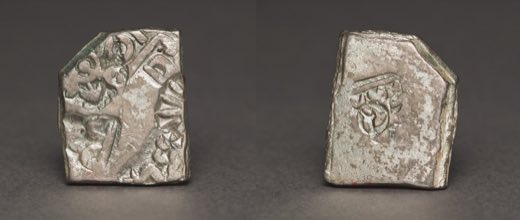 Cleveland Museum of Art · 1967.243The fall of JerusalemSilver punch-marked coin from India, 400–300 BC, 1.4 cm. Coins of this kind, the oldest in India, were first struck in the age of the great realms.
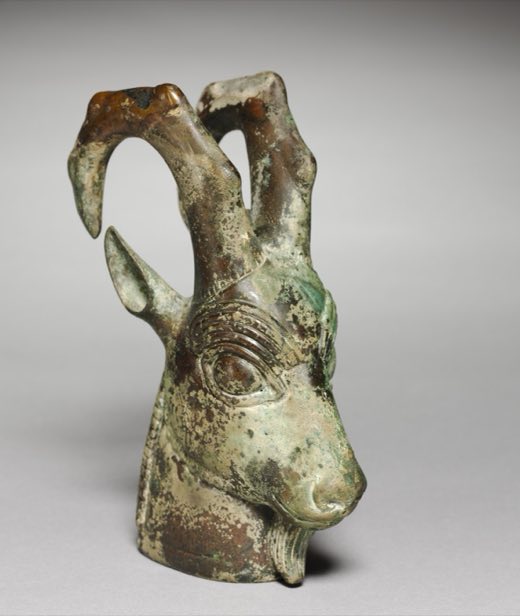 Cleveland Museum of Art · 1961.199Cyrus lets the exiles returnBronze ibex head from Persia, about 525–450 BC, 16.9 cm, perhaps from furniture or a great cauldron — Persian work of the years when the temple was…
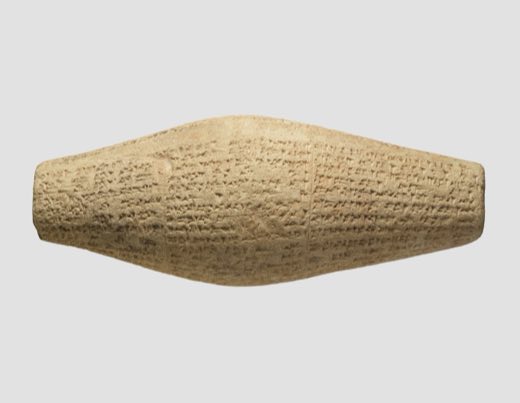 The Metropolitan Museum of Art, New York · 85.15Cyrus lets the exiles returnClay cylinder of Nebuchadnezzar II, 604–562 BC, 20.3 cm, telling how he rebuilt a temple at Sippar — a building inscription of the same kind as the…
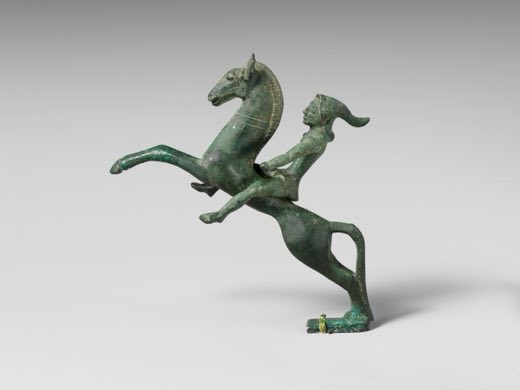 The Metropolitan Museum of Art, New York · 1989.281.78Cyrus lets the exiles returnBronze Scythian archer on horseback, made in Italy in the early 5th century BC, 12.6 cm — the famous horse archers of the steppe as people far away…
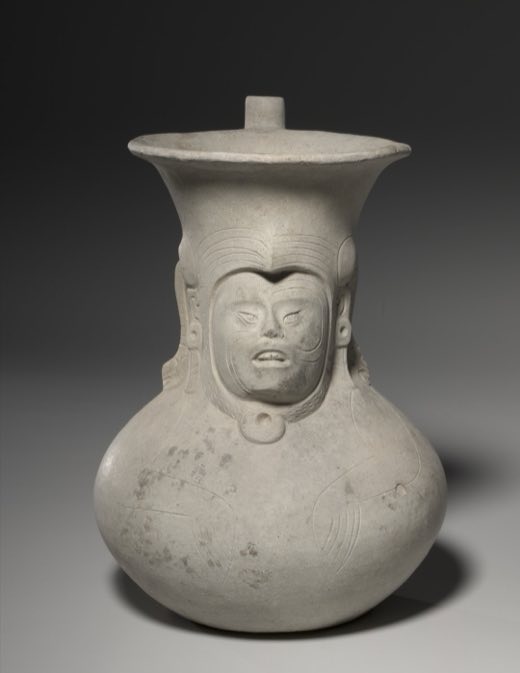 Cleveland Museum of Art · 1990.276Cyrus lets the exiles returnPottery vessel with a face, Zapotec, about 500–150 BC, 28.9 cm, from Oaxaca in Mexico — the centuries when Monte Albán was built.
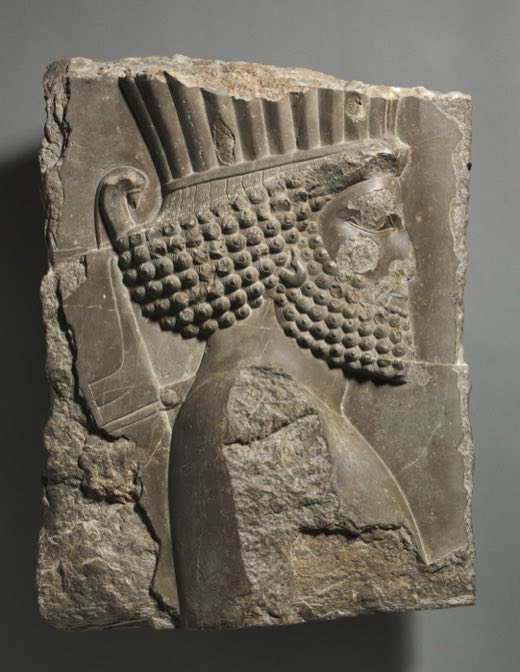 Cleveland Museum of Art · 1943.279Nehemiah and the wallsRelief of a guardsman from the palace of Xerxes at Persepolis, 486–465 BC, 53 cm. Xerxes is usually identified with Ahasuerus of the book of Esther.
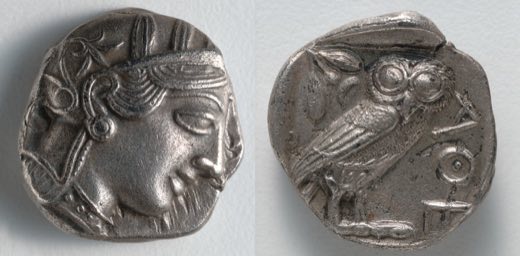 Cleveland Museum of Art · 1941.296Nehemiah and the wallsSilver four-drachma coin of Athens with Athena and her owl, 449–440 BC, 2.3 cm — Greece in the years of Nehemiah.
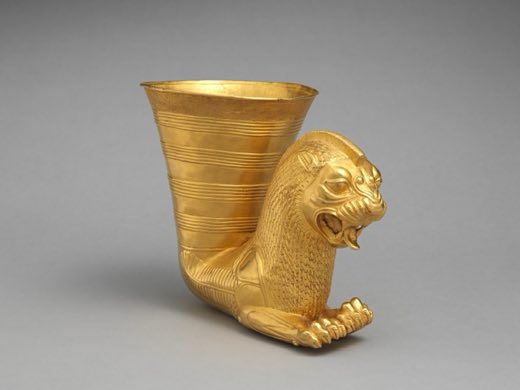 The Metropolitan Museum of Art, New York · 54.3.3Nehemiah and the wallsGold drinking vessel ending in a lion-like creature, Persian, 5th century BC, 17 cm — court art of the age of Xerxes and Artaxerxes, the king whose…
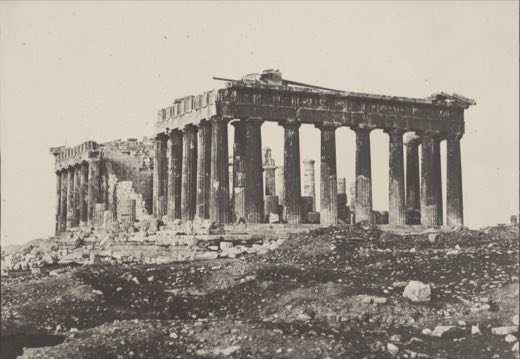 Cleveland Museum of Art · 2006.158Nehemiah and the wallsPhotograph of 1852: the Parthenon on the Acropolis of Athens, the temple begun in 447 BC, while Nehemiah rebuilt the walls of Jerusalem.
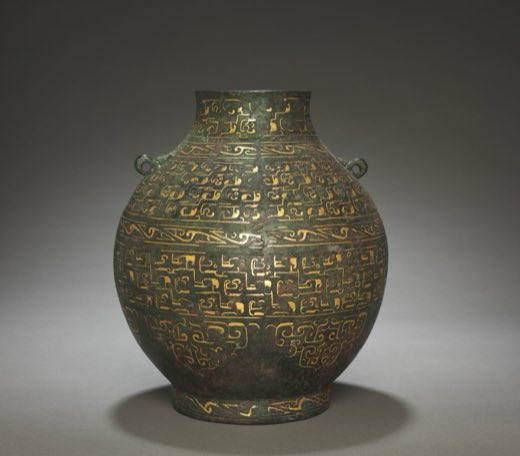 Cleveland Museum of Art · 1929.984Nehemiah and the wallsBronze wine jar inlaid with gold, China, early 5th century BC, 27.6 cm — luxury of the time when the old order broke down into the Warring States.
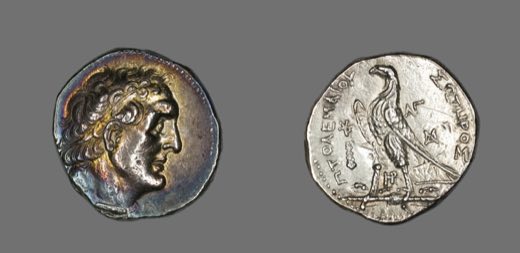 Art Institute of Chicago · 1923.1145John on PatmosSilver tetradrachm struck at Tyre in 253–252 BC, in the reign of Ptolemy II of Egypt — the king of the Septuagint story in the Letter of Aristeas.…
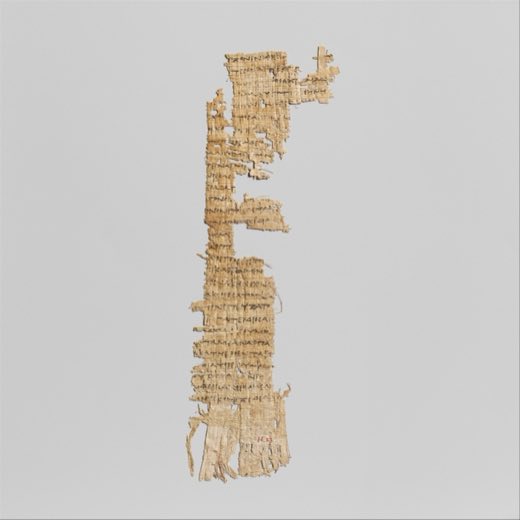 The Metropolitan Museum of Art, New York · 09.182.50John on PatmosPapyrus with lines of Homer’s Odyssey, Ptolemaic Egypt, about 285–250 BC, 19.1 cm. Greek books were copied like this in Egypt in the years when, by…
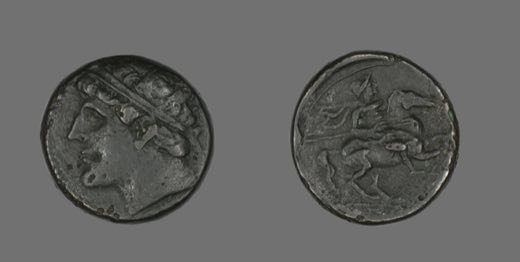 Art Institute of Chicago · 1923.1202John on PatmosBronze coin of Hieron II, king of Syracuse, 274–216 BC, 2.7 cm, with a horseman on the back — the king of Archimedes’ Syracuse.
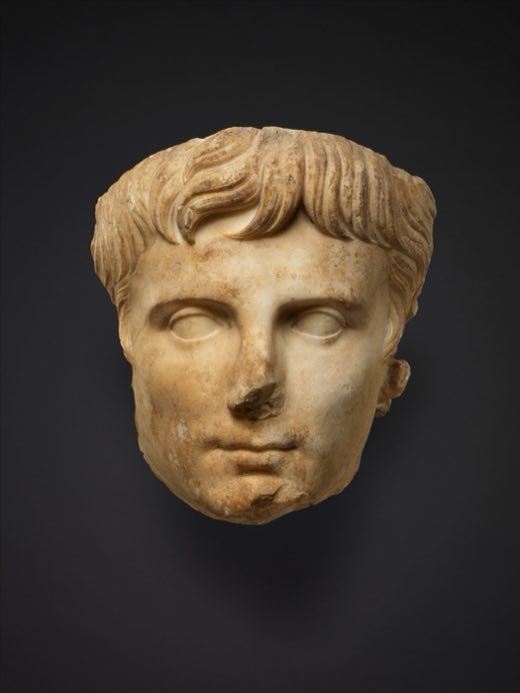 The Metropolitan Museum of Art, New York · 07.286.115Jesus is bornMarble portrait of the emperor Augustus, made after his death, AD 14–37, 30.5 cm. Jesus was born in his reign.
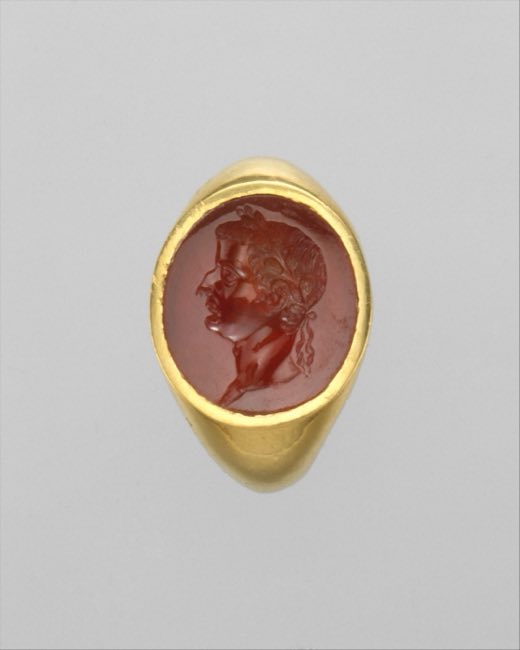 The Metropolitan Museum of Art, New York · 1994.230.7Jesus is bornGold ring with a carnelian engraved with the head of the emperor Tiberius, AD 14–37, 2.1 cm. Jesus taught in his reign.
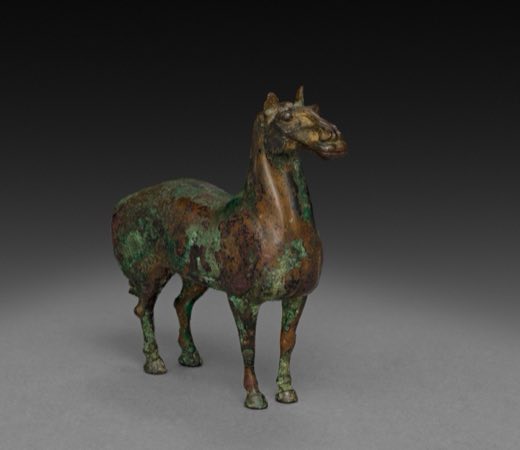 Cleveland Museum of Art · 1977.57Jesus is bornSmall bronze horse from a tomb of the Han dynasty, 206 BC – AD 220, 6.5 cm — China of the Han, whose silk reached Rome along the Silk Road.
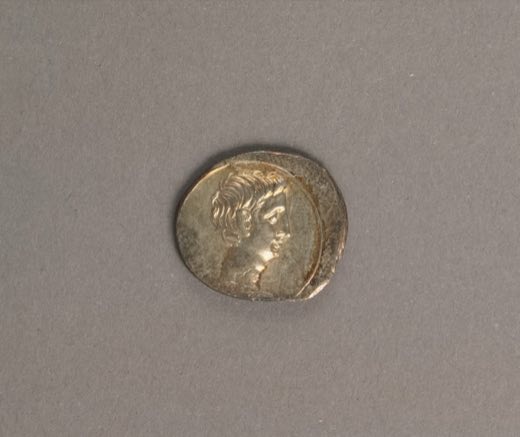 The Metropolitan Museum of Art, New York · 08.170.89Jesus is bornSilver denarius of Octavian, soon to be named Augustus, 29–27 BC, 2.1 cm. Roman silver coins of Augustus and Tiberius have been found in hoards in…
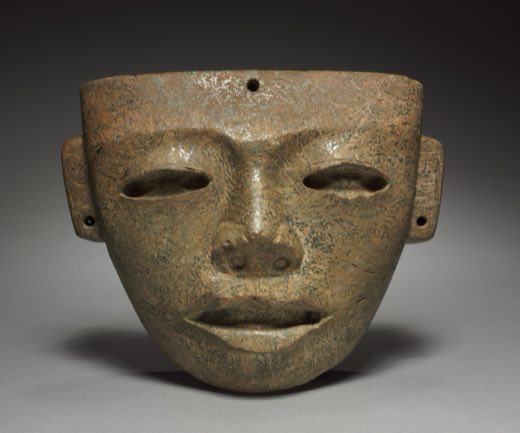 Cleveland Museum of Art · 1942.1094Jesus is bornGreenstone mask from Teotihuacan, AD 1–550, 19 cm — the city in the Valley of Mexico that was growing into one of the largest of the ancient Americas.
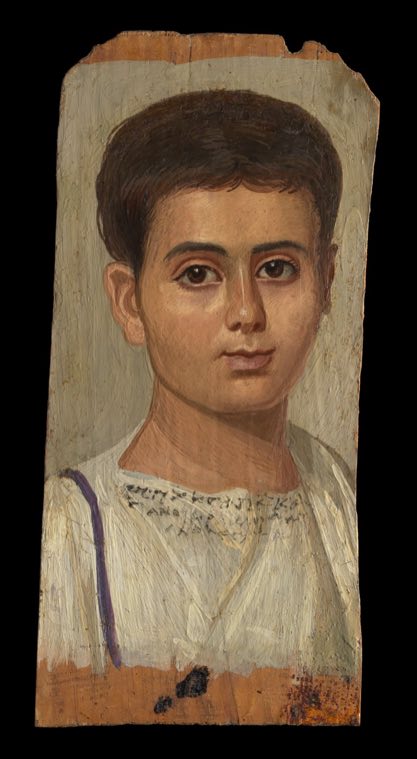 The Metropolitan Museum of Art, New York · 18.9.2Jesus is bornPainted wooden portrait of a boy named Eutyches, from Roman Egypt, AD 100–150, 38 cm — Egypt as a Roman province, a few generations after Jesus.
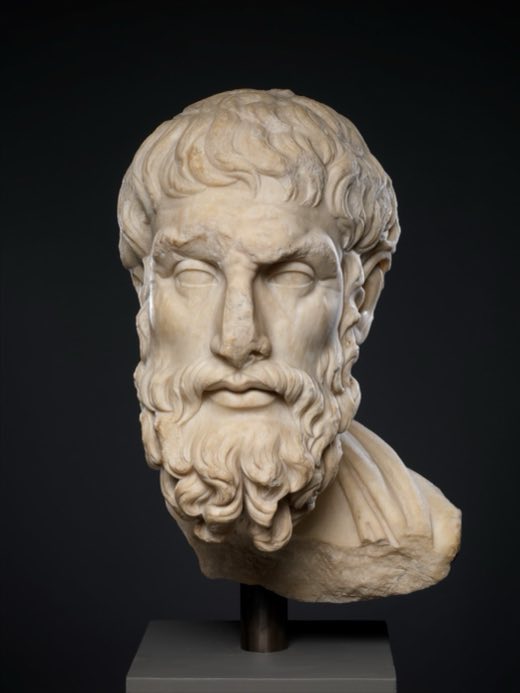 The Metropolitan Museum of Art, New York · 11.90Paul in AthensMarble head of the philosopher Epicurus, Roman, 2nd century AD, 49.8 cm, after a Greek portrait — in Athens Paul debated with Epicurean and Stoic…
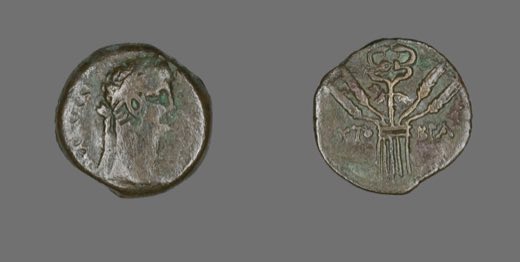 Art Institute of Chicago · 1979.1057Paul in AthensBronze coin of the emperor Claudius, minted in Alexandria, probably about AD 49–50, 2.5 cm — the emperor who, Acts says, ordered the Jews to leave…
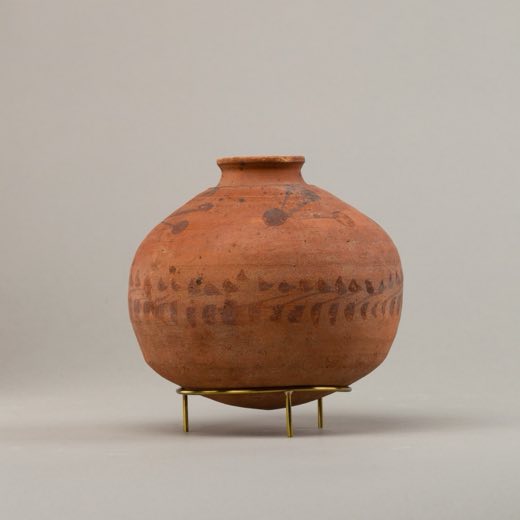 The Metropolitan Museum of Art, New York · 26.4.68Paul in AthensPainted jar with vines from Nubia, Meroitic period, 270 BC – AD 320 — the kingdom of Meroë, whose queens bore the title the Bible gives as Candace.
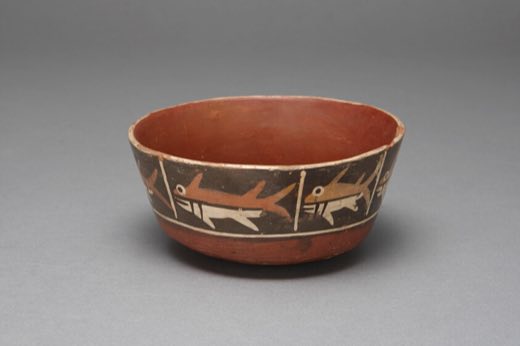 Art Institute of Chicago · 1956.1168Paul in AthensNazca bowl painted with fish or sharks, south coast of Peru, 180 BC – AD 500, 13.7 cm — the people who drew the Nazca lines in the desert.
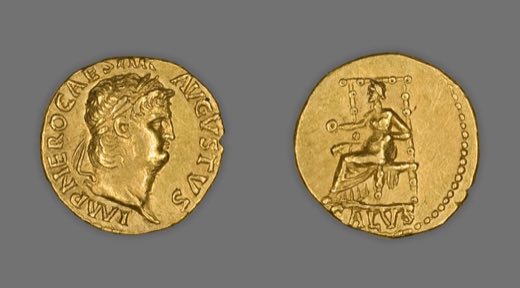 Art Institute of Chicago · 1922.4254Paul in RomeGold coin of the emperor Nero, minted in Rome, AD 66–67, 1.8 cm. Paul appealed to Caesar — in his day, Nero.
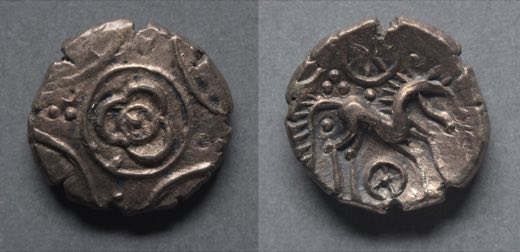 Cleveland Museum of Art · 1969.156Paul in RomeCoin of the Iceni of eastern Britain, Boudica’s people, about 20 BC – AD 10, 1.9 cm — struck two generations before her revolt.
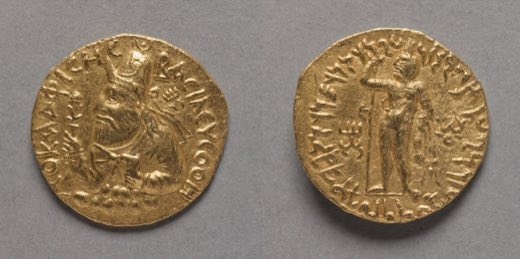 Cleveland Museum of Art · 1999.225Paul in RomeGold coin of the Kushan king Vima Kadphises, 2nd century AD, 2.2 cm — the empire whose lands lay on the routes that linked Rome, India and China.
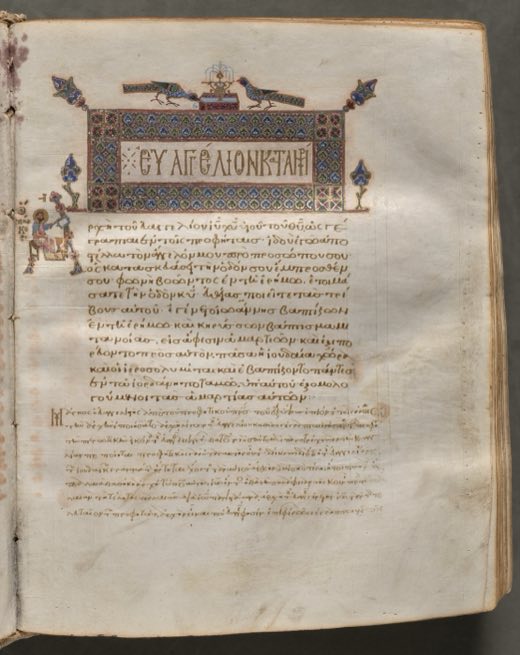 Cleveland Museum of Art · 1942.152.132.aJohn on PatmosOpening of Mark’s Gospel in a Greek Gospel book with commentary, Constantinople, about 1000–1100, 28 cm — a parchment codex like Sinaiticus and…
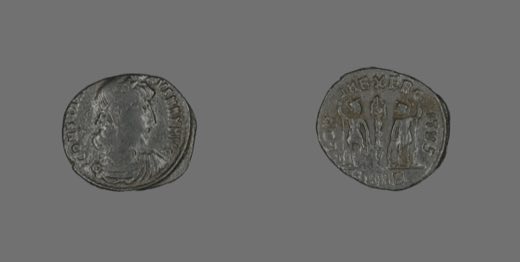 Art Institute of Chicago · 1920.2697John on PatmosBronze coin of the emperor Constantine I, minted at Nicomedia in 336–337, 1.7 cm, with two soldiers and standards — the emperor who dedicated…
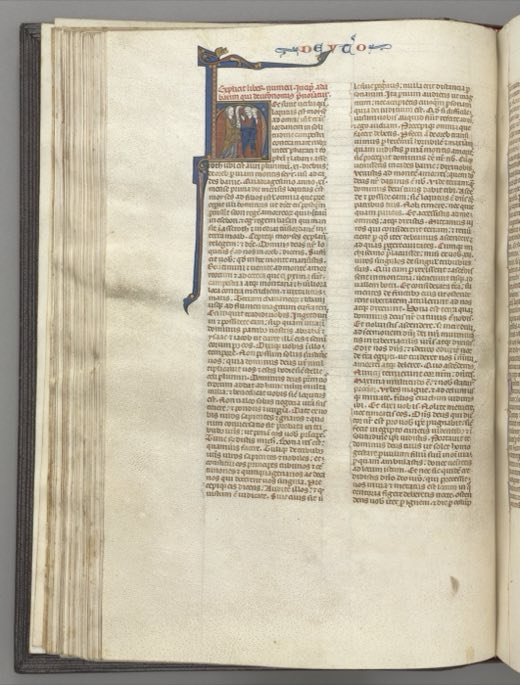 Cleveland Museum of Art · 2008.2.62.bJohn on PatmosPage of a Latin Bible, southern France, about 1275–1300, 35.6 cm: the start of Deuteronomy, with Moses drawn with horns. Jerome’s Latin calls his…
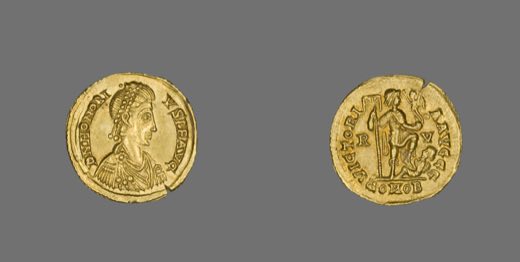 Art Institute of Chicago · 1922.4906John on PatmosGold solidus of the Western emperor Honorius, minted at Ravenna in 405, 2.1 cm — five years before the Goths sacked Rome.
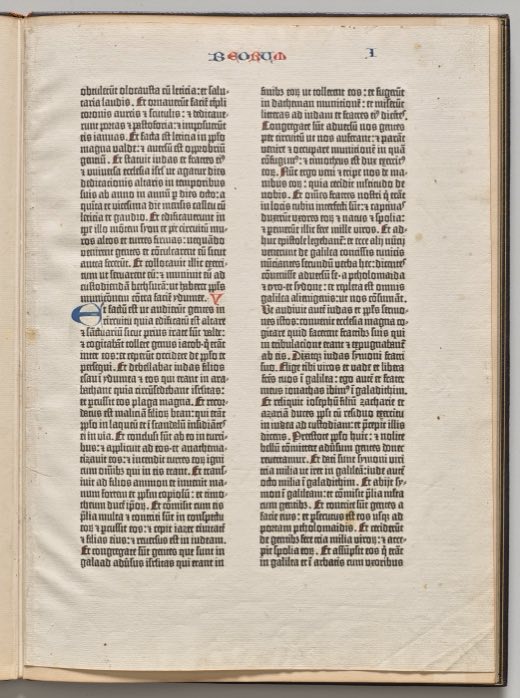 Cleveland Museum of Art · 1968.261John on PatmosPage of the Gutenberg Bible, Mainz, about 1450–1455, 38.8 cm, with initials painted by hand: 1 Maccabees 4–5, where Judas sets a yearly feast of the…
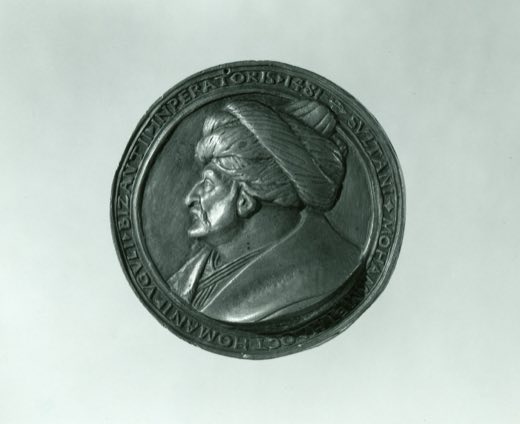 The Metropolitan Museum of Art, New York · 1975.1.1269John on PatmosBronze medal of Sultan Mehmed II, the conqueror of Constantinople, after a model of 1481 by Costanzo da Ferrara, 11.5 cm — a later cast.
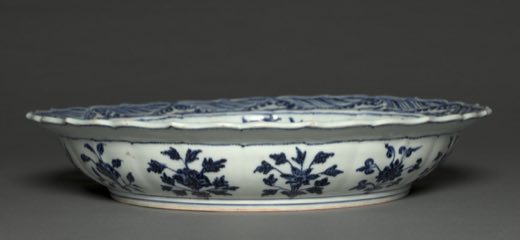 Cleveland Museum of Art · 1953.127John on PatmosPorcelain plate painted in blue with grapes, Jingdezhen, China, 1403–1424, 43.2 cm — from the reign of the Yongle emperor, who sent out the treasure…
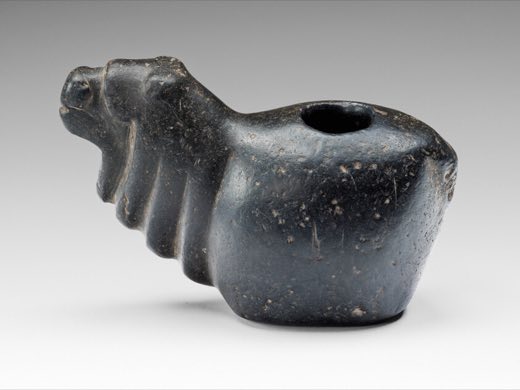 Art Institute of Chicago · 1957.102John on PatmosStone offering vessel in the form of an alpaca, Inca, probably from near Cuzco, 1450–1532, 14.9 cm — from the century of Machu Picchu.
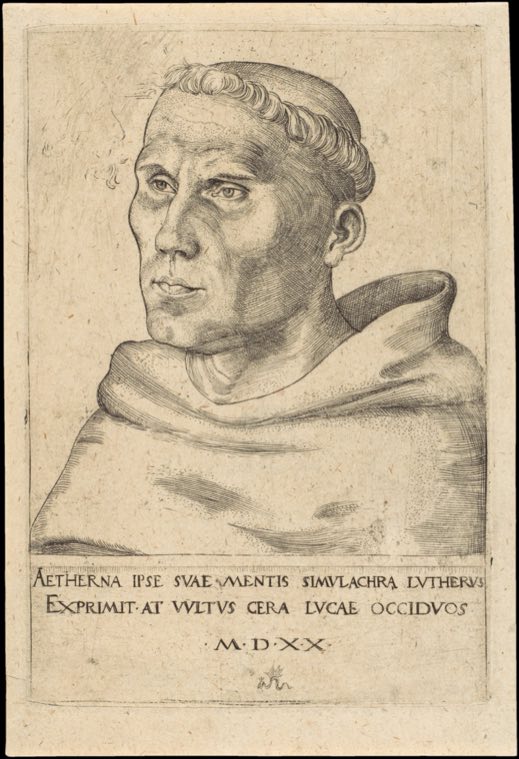 The Metropolitan Museum of Art, New York · 20.64.21John on PatmosEngraving by Lucas Cranach the Elder, 1520: Martin Luther as an Augustinian friar, two years before his German New Testament appeared.
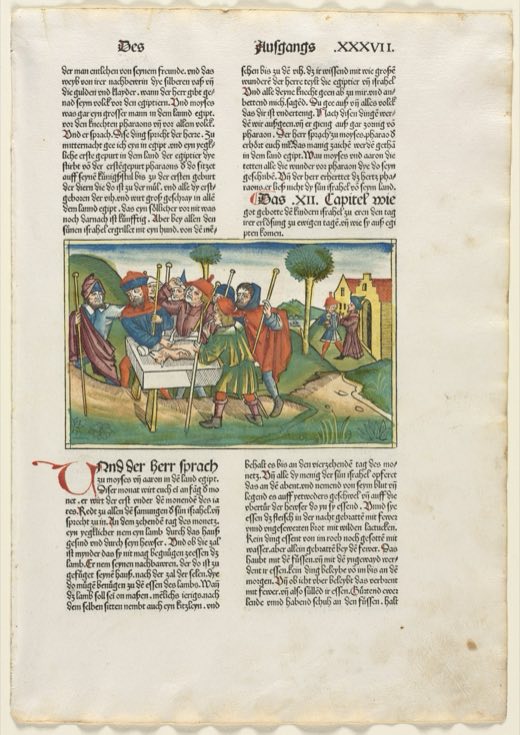 Cleveland Museum of Art · 1974.95John on PatmosPage of the German Bible printed by Anton Koberger in Nuremberg, 1483, with a hand-colored woodcut of the Passover — a translation from the Latin…
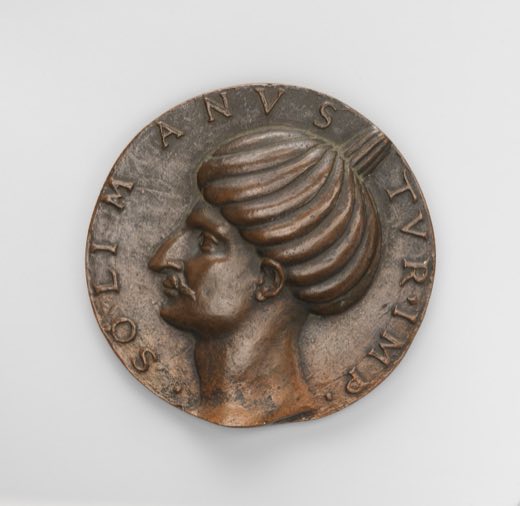 The Metropolitan Museum of Art, New York · 1975.1.1249John on PatmosBronze medal of Sultan Süleyman I, made in northern Italy about 1525, 12.8 cm — the sultan whose builders raised the walls of Jerusalem’s Old City…
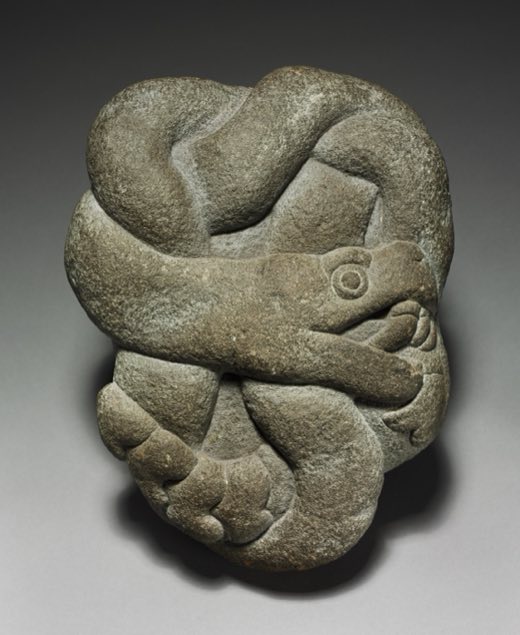 Cleveland Museum of Art · 1950.410John on PatmosStone coiled rattlesnake, Aztec, central Mexico, about 1200–1519, 30.5 cm — the work of the people whose capital, Tenochtitlan, fell in 1521.
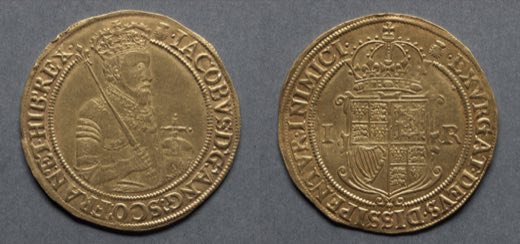 Cleveland Museum of Art · 1969.188John on PatmosGold sovereign of James I, king of England and Scotland, 1603–1604, 3.8 cm — the king at whose order the King James Version was made.
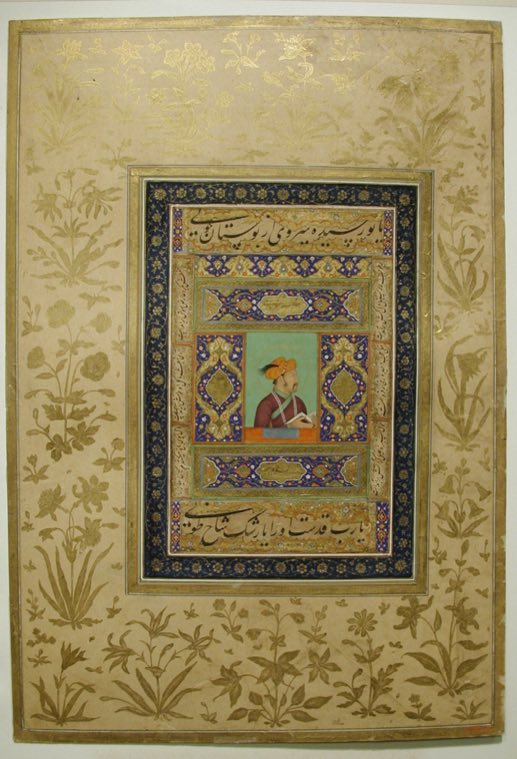 The Metropolitan Museum of Art, New York · 13.228.47John on PatmosPortrait of the Mughal emperor Jahangir on an album page, India, about 1615–1620 — he ruled from 1605, while the King James Version was being made.
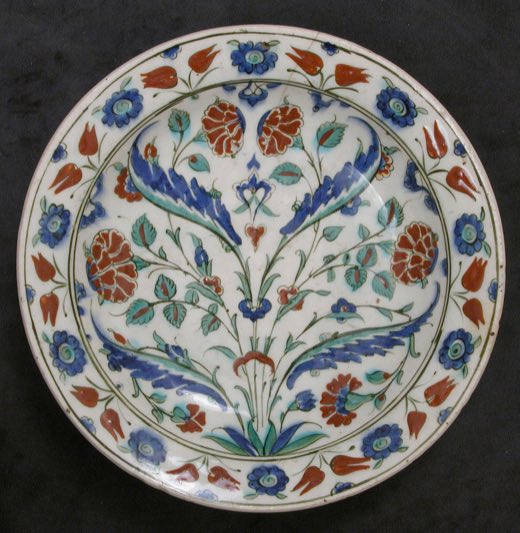 The Metropolitan Museum of Art, New York · 02.5.41John on PatmosIznik dish painted with tulips and carnations, Turkey, early 17th century, 27.9 cm — Iznik tiles of the same years line the Blue Mosque in Istanbul.
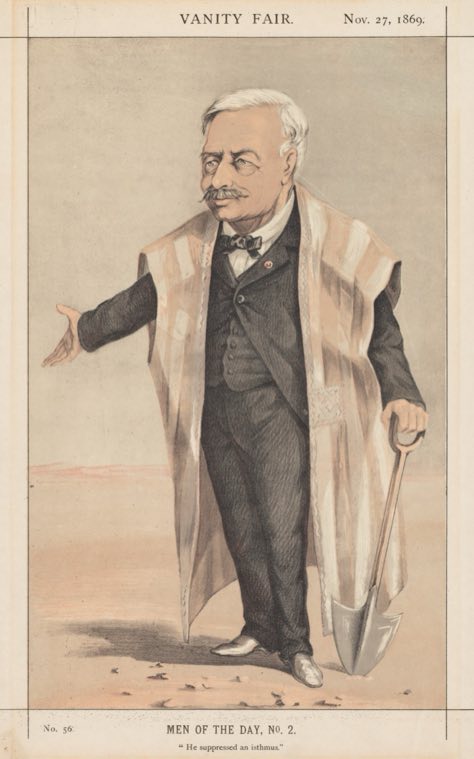 Cleveland Museum of Art · 2014.181John on PatmosCaricature of Ferdinand de Lesseps in Vanity Fair, 27 November 1869: “He suppressed an isthmus” — the builder of the Suez Canal, opened that month.
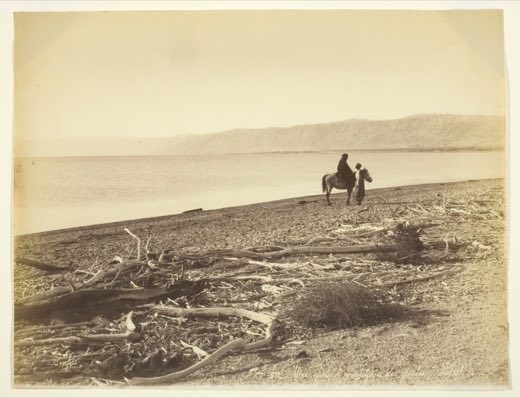 Art Institute of Chicago · 1991.1284John on PatmosPhotograph by Félix Bonfils, 1875: the Dead Sea and the hills of Judea. The scrolls were found in caves near its northwestern shore, from 1947 to…
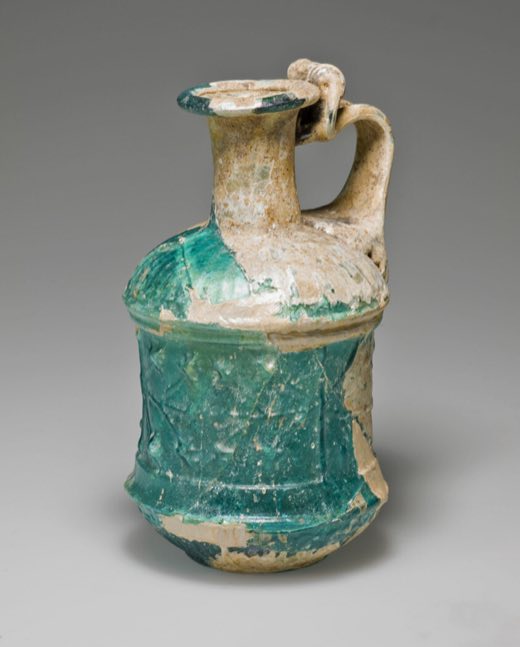 Art Institute of Chicago · 1943.1171John on PatmosMold-blown glass jug, Roman, from Syria or Palestine, first half of the 1st century AD, 9.7 cm — of the age in which the last of the scrolls were…
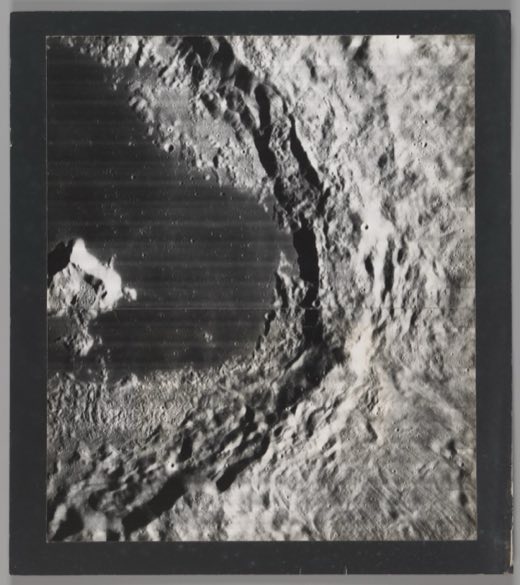 The Metropolitan Museum of Art, New York · 2016.516John on PatmosPhotograph of the far side of the Moon taken from a NASA spacecraft in lunar orbit, 1967 — the side never seen from Earth, which the crew of Apollo…
10 objects
Animals of the Bible
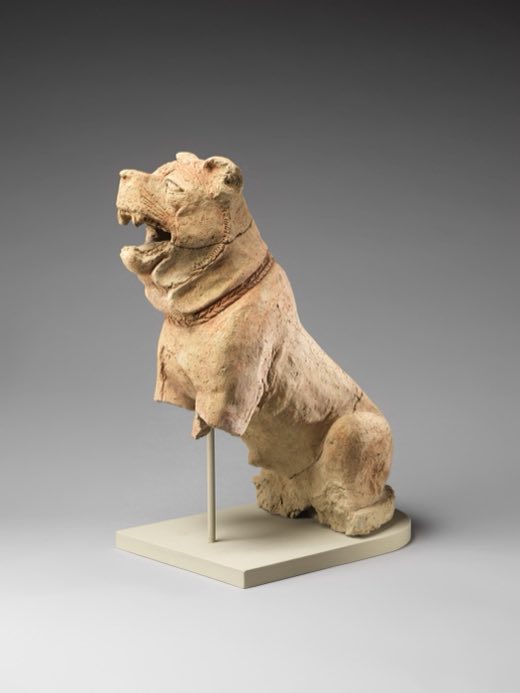 The Metropolitan Museum of Art, New York · 1989.233DogPainted clay mastiff with a collar, from Kassite Babylonia, middle of the 2nd millennium BC, 42 cm high. Big dogs like this guarded houses and…
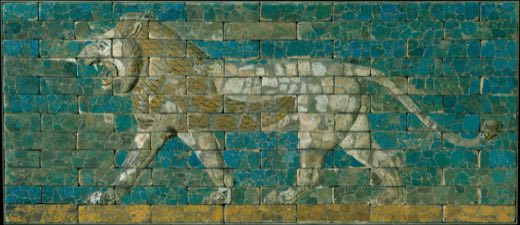 The Metropolitan Museum of Art, New York · 31.13.1LionGlazed-brick lion from the Processional Way of Babylon, built under Nebuchadnezzar II, about 604–562 BC, 2.3 m long — Babylon, the city of the book…
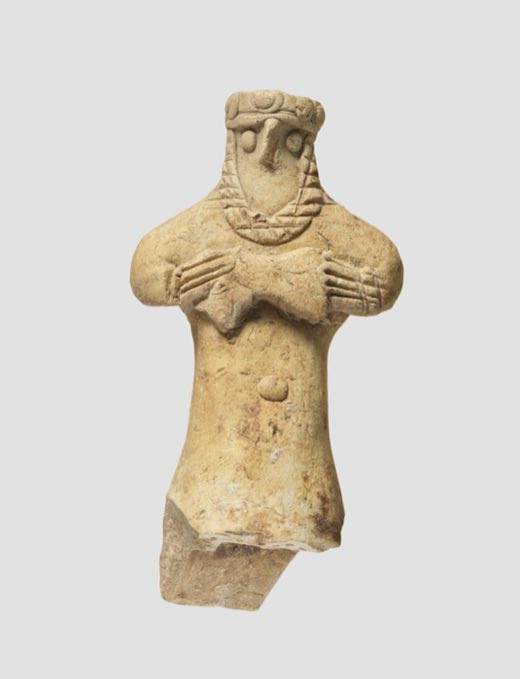 The Metropolitan Museum of Art, New York · 51.25.11SheepClay figurine of a man holding a lamb to his chest, from Eshnunna in Mesopotamia, about 2000–1750 BC, 10.8 cm. Isaiah pictures a shepherd who…
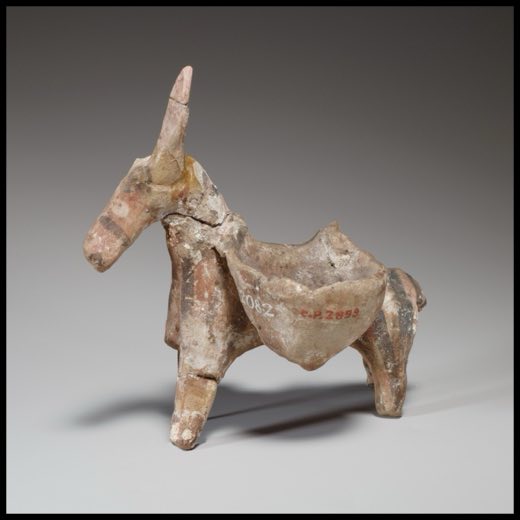 The Metropolitan Museum of Art, New York · 74.51.1788DonkeyClay donkey with baskets slung on both sides, from Cyprus, about 600–480 BC, 11 cm. Donkeys carried grain and goods like this all over the Bible…
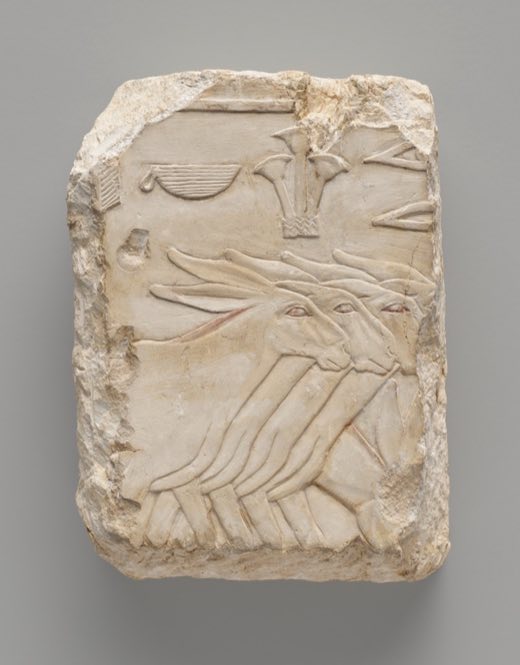 Art Institute of Chicago · 1910.234DonkeyFragment of an Egyptian tomb relief, about 2375 BC, 28 cm: a team of donkeys driven over grain to thresh it. Abram received donkeys in Egypt.
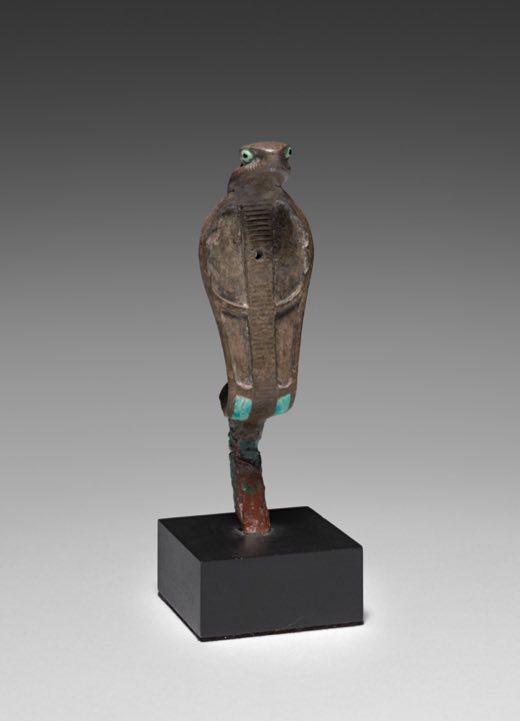 Cleveland Museum of Art · 2023.102SerpentRearing cobra of silver-copper alloy with inlaid eyes, Egypt, 1307–1196 BC, 14.9 cm. It probably crowned a statue’s head: in Egypt the cobra was a…
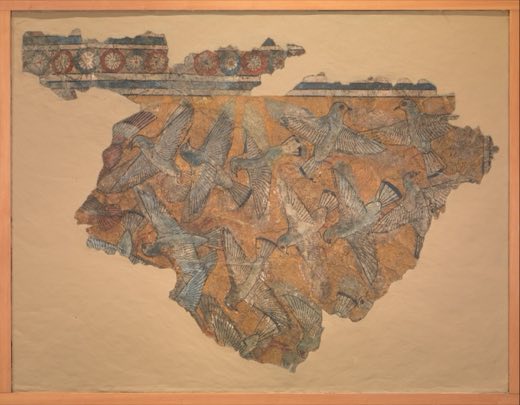 The Metropolitan Museum of Art, New York · 12.180.257DovePainted ceiling from the palace of Amenhotep III at Thebes in Egypt, about 1386–1347 BC, 138 cm wide, with pigeons in flight — rock doves, the wild…
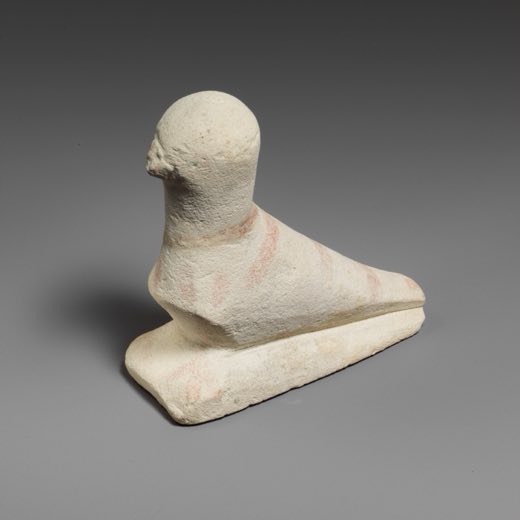 The Metropolitan Museum of Art, New York · 74.51.2722DoveLimestone dove from Cyprus, 4th century BC, 8 cm. A pair of doves or young pigeons was the offering of families who could not afford a lamb.
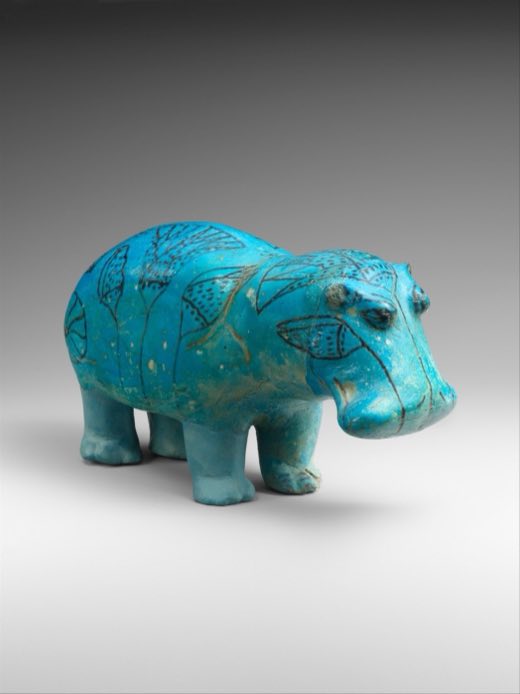 The Metropolitan Museum of Art, New York · 17.9.1Leviathan and BehemothFaience hippopotamus from a tomb at Meir in Egypt, about 1961–1878 BC, 20 cm long, painted with river plants. By one view, the Behemoth of Job is…
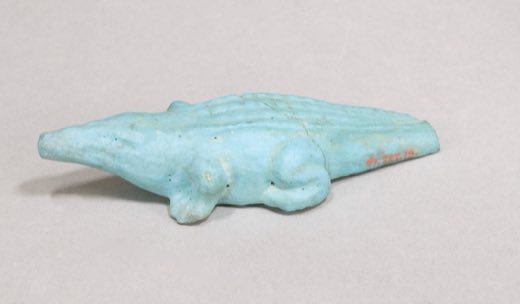 The Metropolitan Museum of Art, New York · 07.227.19Leviathan and BehemothCrocodile of Egyptian blue from a cemetery at Lisht in Egypt, about 1850–1700 BC, 8.6 cm. By one view, the Leviathan of Job is the Nile crocodile.
12 objects
Money and measures
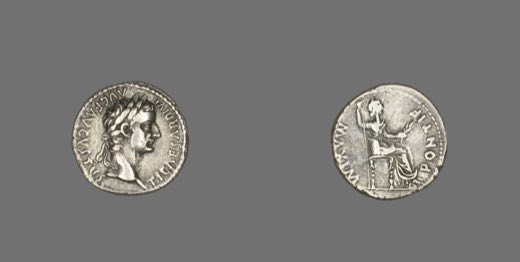 Art Institute of Chicago · 1923.1268DenariusSilver denarius of the emperor Tiberius, Roman, AD 14–37, 1.8 cm across. It bears his head and his title, “son of the divine Augustus”: probably the…
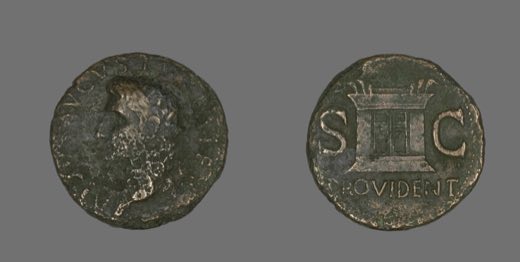 Art Institute of Chicago · 1923.1296DenariusBronze as with the head of the deified Augustus, struck in Rome under Tiberius, AD 22–30, 2.8 cm. Sixteen made a denarius. The coin for which two…
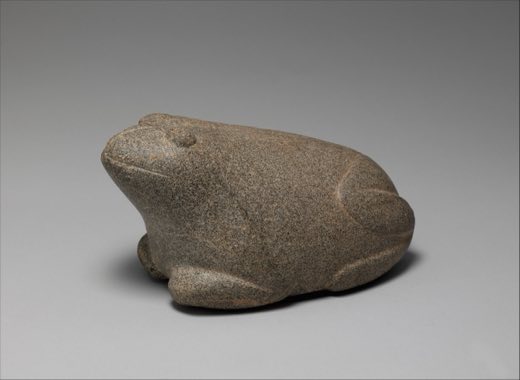 The Metropolitan Museum of Art, New York · 1988.301TalentBabylonian stone weight in the shape of a frog, about 2000–1600 BC, 4.7 kg. A talent was far heavier — the article gives about 30–36 kg.
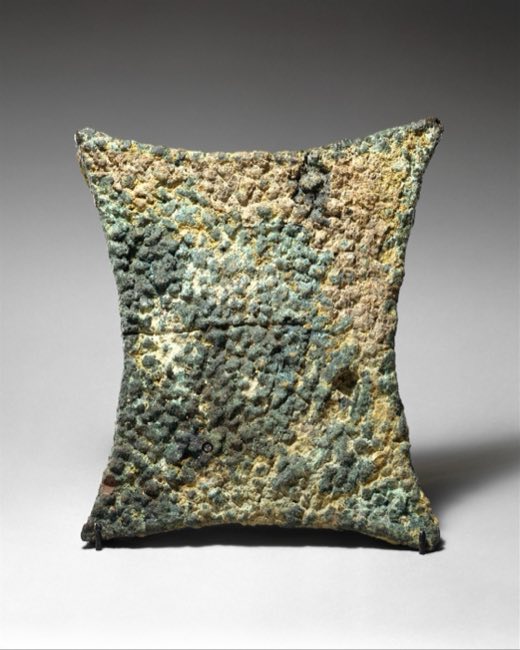 The Metropolitan Museum of Art, New York · 11.140.7TalentCopper ingot from Cyprus, about 1450–1050 BC, 28.6 kg — nearly the weight of a talent. Metal was traded in slabs like this; the talents of the Bible…
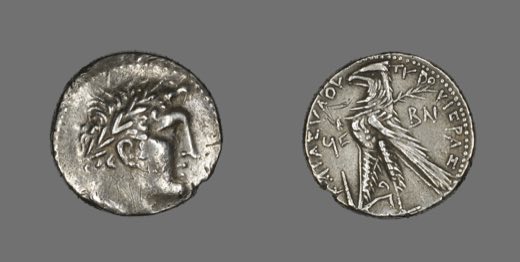 Art Institute of Chicago · 1923.1160ShekelSilver shekel of Tyre with the head of the god Melqart, 31–30 BC, 2.6 cm — some sixty years before Jesus’ ministry. Coins of this kind, worth four…
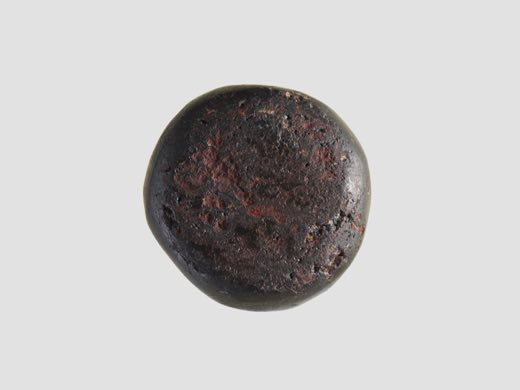 The Metropolitan Museum of Art, New York · 1977.234.6ShekelStone weight of hematite from Tawilan in Edom, a neighbor of Judah, 8th–7th century BC, 3.3 cm. Before there were coins, silver was weighed out…
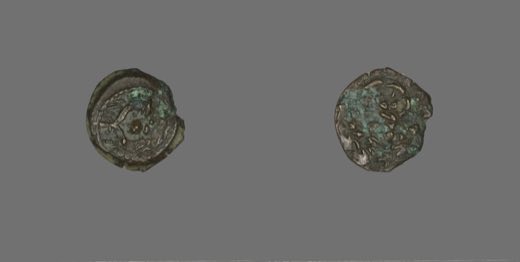 Art Institute of Chicago · 1923.1404The widow’s mite (lepton)Bronze coin of the Jewish king Alexander Jannaeus, 103–76 BC, 1.6 cm, with a double horn of plenty. A small coin of the kind called lepton, struck…
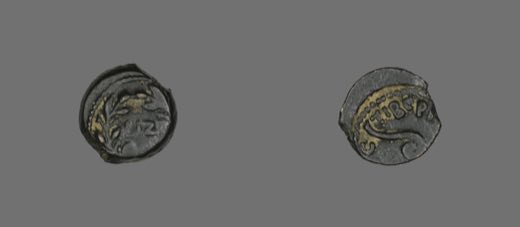 Art Institute of Chicago · 1923.1402The widow’s mite (lepton)Bronze coin struck under Pontius Pilate, AD 30–31, 1.6 cm, with a wreath and the year. Roman governors of Judea issued such small coins too.
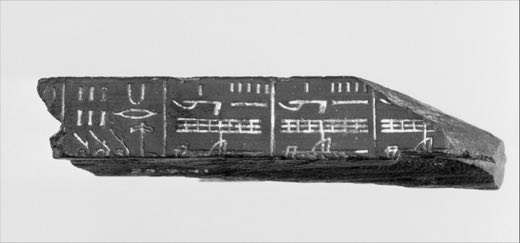 The Metropolitan Museum of Art, New York · 25.7.41CubitFragment of an Egyptian measuring rod of slate, about 1550–1300 BC, 8 cm long. Lines and signs mark the parts of the cubit; Egypt too had a long…
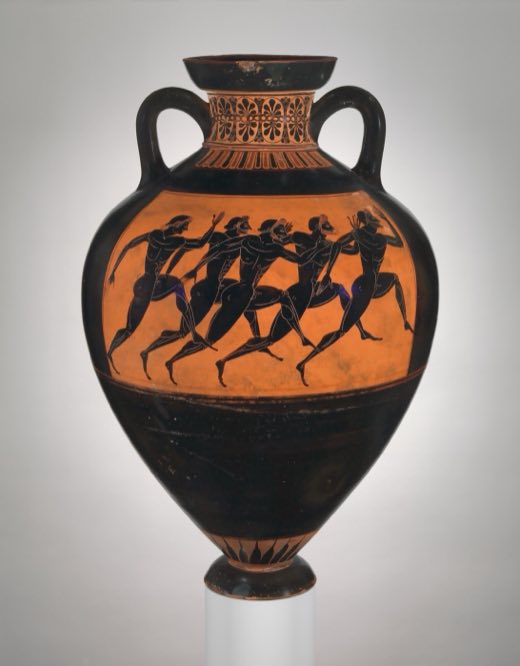 The Metropolitan Museum of Art, New York · 14.130.12Stadion and milePrize jar from the games of Athens, painted with runners, about 530 BC, 62 cm high. The Greek footrace was run over one stadion, the length of the…
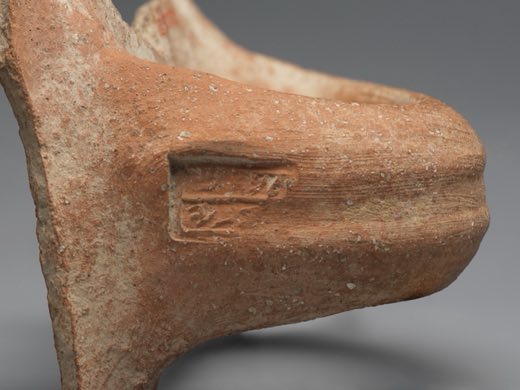 The Metropolitan Museum of Art, New York · 34.126.65Ephah and bathHandle of a storage jar with a seal impression, from Lachish in Judah, late 8th–7th century BC. Jars of this time from Lachish and other sites, some…
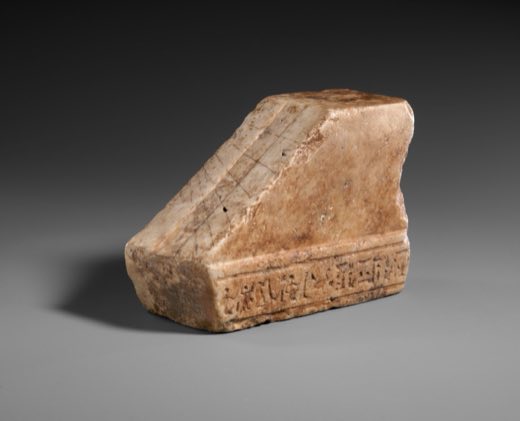 The Metropolitan Museum of Art, New York · 12.181.307Hours and watchesEgyptian shadow clock of marble, 305–30 BC, 14.7 cm long. The hours of daylight were read from a shadow falling on the lines cut into its slope.
8 objects
Plants of the Bible
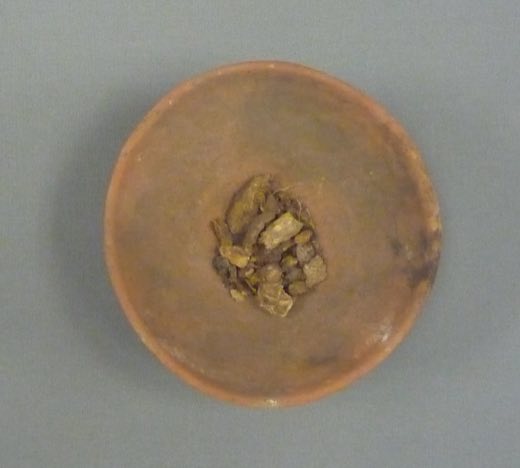 The Metropolitan Museum of Art, New York · 27.3.415Fig treeA bowl of real dried figs, left in a foundation deposit of Queen Hatshepsut’s temple at Thebes in Egypt, about 1473–1458 BC, 13 cm across.
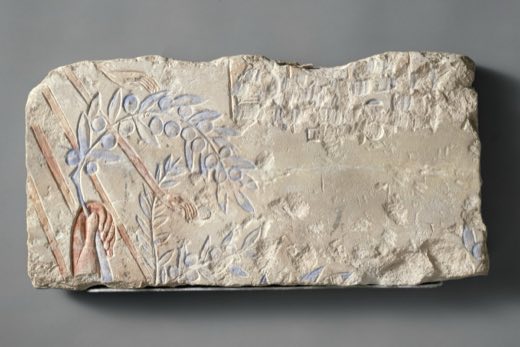 The Metropolitan Museum of Art, New York · 1981.449Olive treePainted relief block from Amarna in Egypt, about 1347–1330 BC, 22 cm: a hand holds an olive branch with its narrow leaves and its fruit.
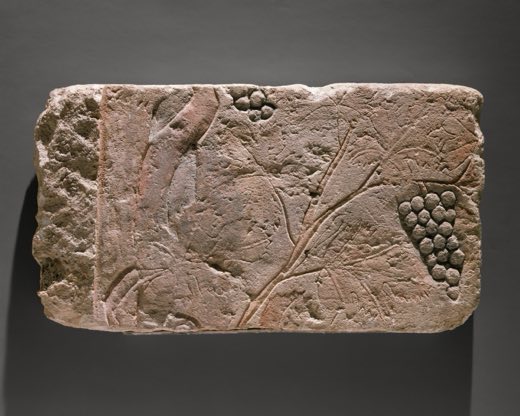 The Metropolitan Museum of Art, New York · 1985.328.23GrapevinePainted relief block from Amarna in Egypt, about 1347–1330 BC, 42 cm wide: a grapevine with clusters of grapes. Egypt grew vines too — the…
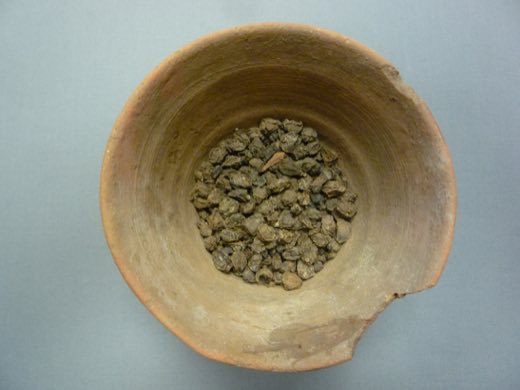 The Metropolitan Museum of Art, New York · 25.3.51GrapevineA bowl of real raisins from a foundation deposit of Queen Hatshepsut’s temple in Egypt, about 1473–1458 BC, 11 cm across. Dried grapes kept for…
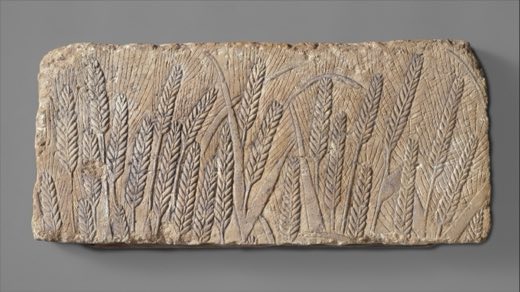 The Metropolitan Museum of Art, New York · 1985.328.24Wheat and barleyPainted relief block from Amarna in Egypt, about 1347–1330 BC, 52 cm wide, with ripe barley — the crop the hail destroyed in Egypt because it was…
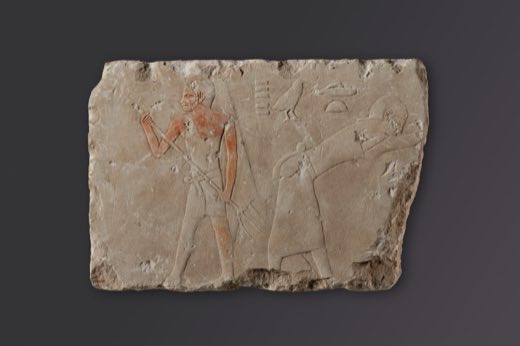 The Metropolitan Museum of Art, New York · 69.34Wheat and barleyFragment of an Egyptian relief, about 2323–2150 BC, 36.5 cm: two men winnowing grain; one holds a wooden fork for tossing it into the wind.
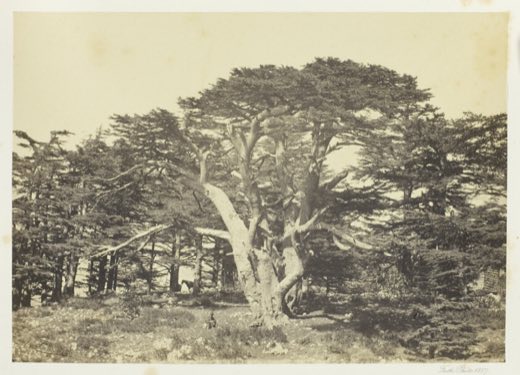 Art Institute of Chicago · 1959.613.38Cedar of LebanonPhotograph by Francis Frith, 1857: the largest tree of the cedar grove on Mount Lebanon — a 19th-century view of a few trees left from forests once…
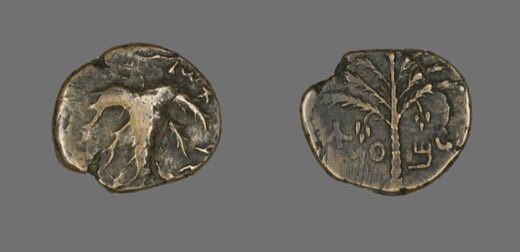 Art Institute of Chicago · 1923.1396Date palmBronze coin of the Jewish revolt against Rome led by Bar Kokhba, AD 134–135, 2.7 cm, with a date palm on one side and a vine leaf on the other.
11 objects
Food and drink
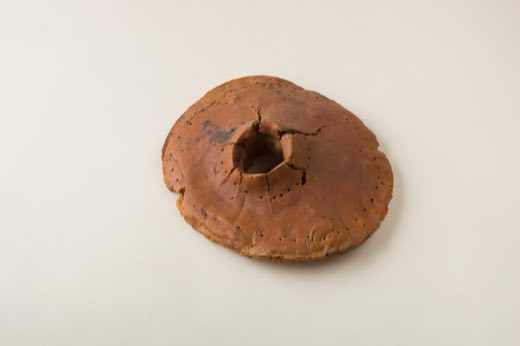 The Metropolitan Museum of Art, New York · 36.3.73BreadA real loaf of bread from an Egyptian tomb at Thebes, about 1491–1473 BC, 21 cm across. Bread was baked every day in small round loaves.
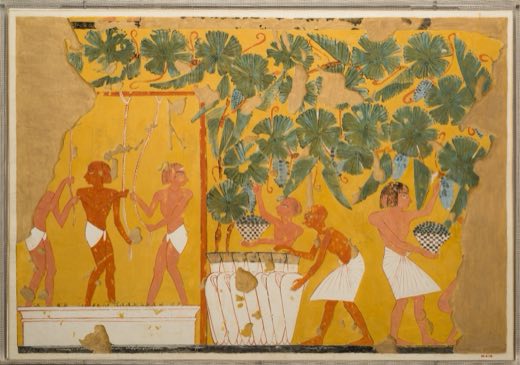 The Metropolitan Museum of Art, New York · 30.4.118WineA 20th-century copy of a painting in an Egyptian tomb of about 1290–1224 BC: men pick grapes and tread them in a vat, holding on to ropes.
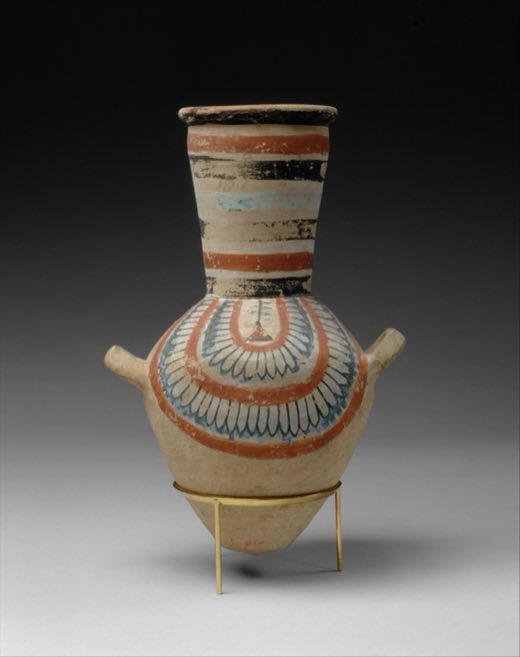 The Metropolitan Museum of Art, New York · 86.1.10WinePainted pottery wine jar from the tomb of Sennedjem at Deir el-Medina in Egypt, about 1290–1224 BC, 30.5 cm. Wine was stored in clay jars like this.
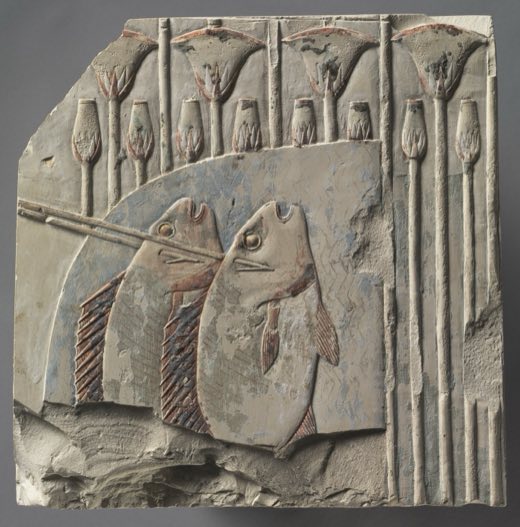 Cleveland Museum of Art · 1949.499FishEgyptian relief, about 667–647 BC, 26 cm: two fish speared at once among papyrus — a later copy of an older tomb scene. Israel remembered the fish…
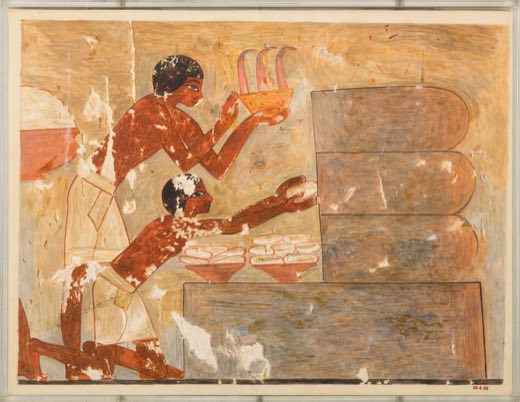 The Metropolitan Museum of Art, New York · 30.4.88Milk and honeyA 20th-century copy of a painting in the tomb of Rekhmire in Egypt, about 1479–1425 BC: beekeepers take honeycombs from stacked hives.
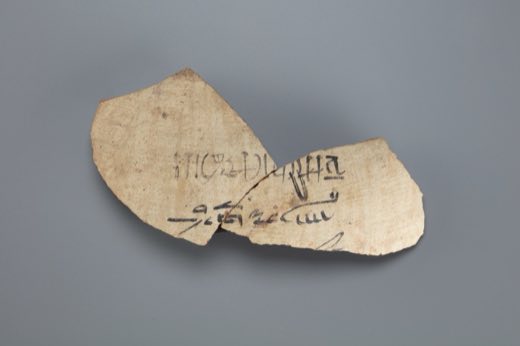 The Metropolitan Museum of Art, New York · 17.10.12Milk and honeyFragment of a jar from the palace of Amenhotep III at Thebes in Egypt, about 1386–1347 BC, 15 cm, with an ink label saying it held honey.
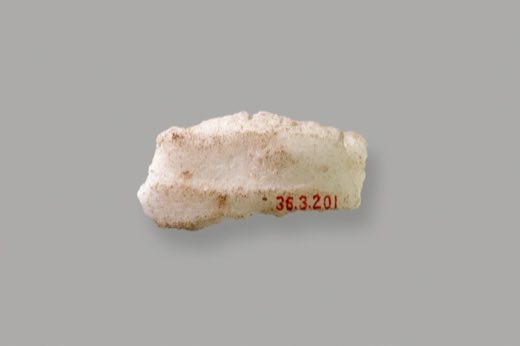 The Metropolitan Museum of Art, New York · 36.3.201SaltLump of rock salt from a burial at Thebes in Egypt, about 1473–1458 BC, 3.9 cm. Salt seasoned food and kept it from spoiling.
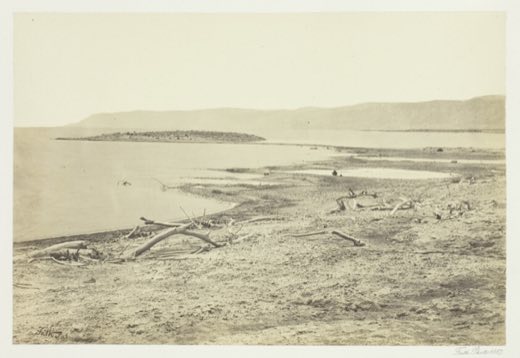 Art Institute of Chicago · 1959.613.37SaltPhotograph by Francis Frith, 1857: the north shore of the Dead Sea, which the Old Testament calls the Salt Sea.
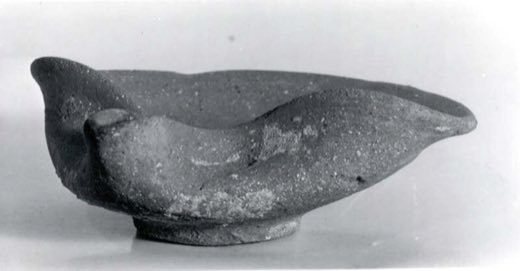 The Metropolitan Museum of Art, New York · 34.126.61Olive oilClay oil lamp from Lachish in Judah, late 8th–7th century BC, 14 cm. Olive oil was poured into the bowl and a wick laid in the pinched spout.
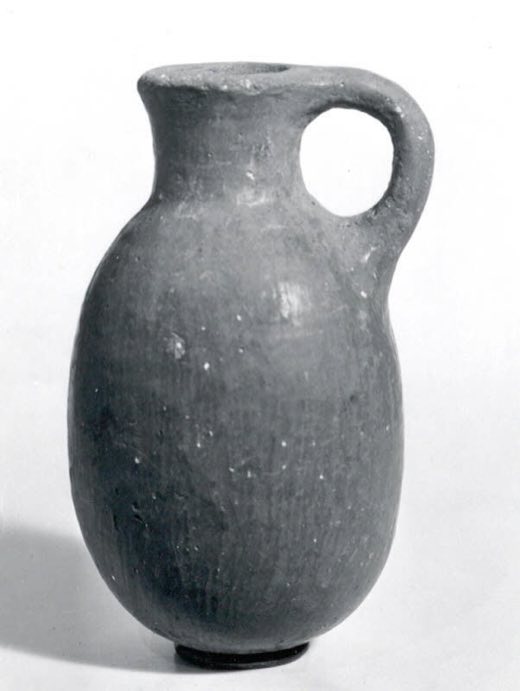 The Metropolitan Museum of Art, New York · 34.126.44Olive oilSmall clay jug from Lachish in Judah, late 8th–7th century BC, 14 cm — the kind of jug oil was kept in at home.
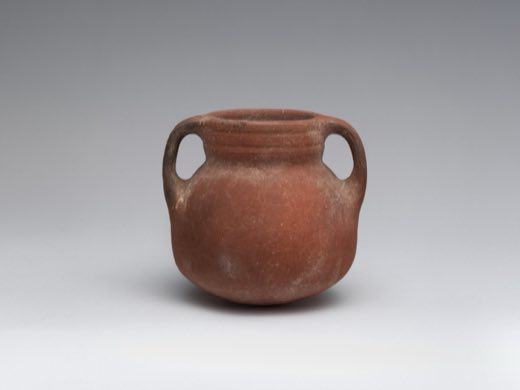 The Metropolitan Museum of Art, New York · 34.126.43Lentils and everyday foodClay cooking pot from Lachish in Judah, late 8th–7th century BC, 13 cm across. Stews of lentils and beans were boiled in pots of this kind.
9 objects
Work and trades
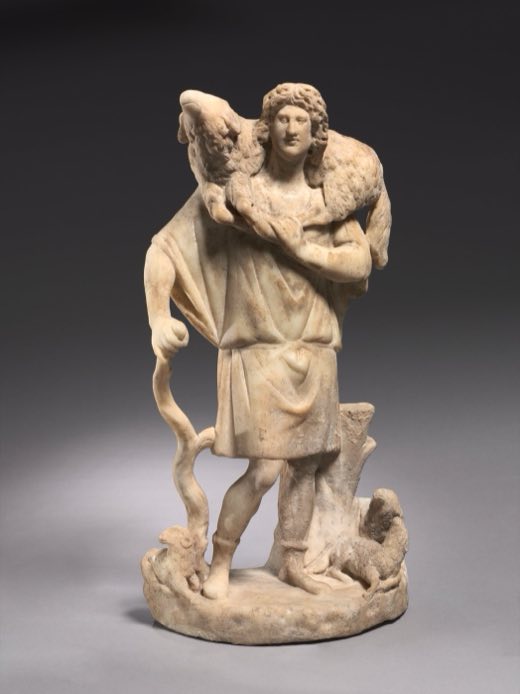 Cleveland Museum of Art · 1965.241ShepherdMarble shepherd carrying a sheep on his shoulders, Asia Minor, about AD 280–290, 49.5 cm — a later sculpture, not of Bible times. The museum notes…
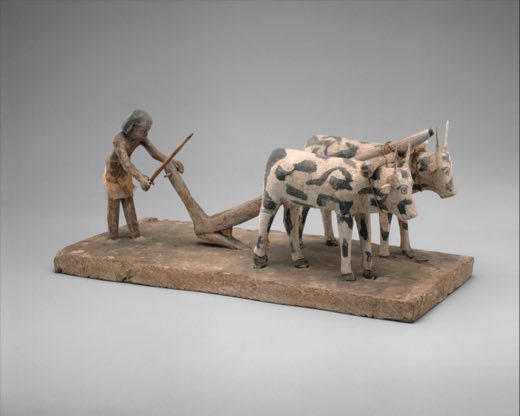 The Metropolitan Museum of Art, New York · 36.5FarmerWooden tomb model from Egypt, about 1981–1885 BC, 49.8 cm: a man steers a plow pulled by a pair of oxen. Plows like this only scratched the soil.
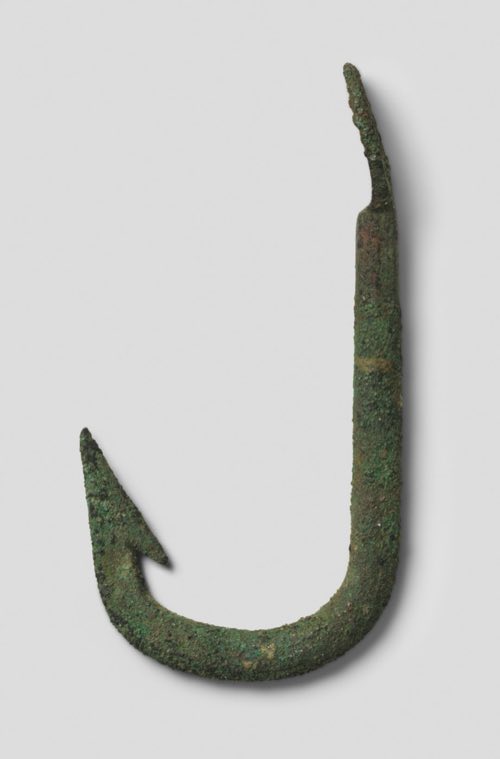 The Metropolitan Museum of Art, New York · 97.4.142FishermanCopper-alloy fishhook with a barb, from Egypt in Roman times, 30 BC–AD 364, 4.2 cm. Most fishermen of Galilee worked with nets; a hook and line was…
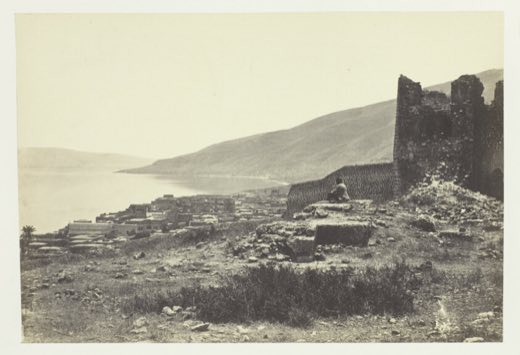 Art Institute of Chicago · 1959.613.20FishermanPhotograph by Francis Frith, 1857: the town of Tiberias and the Sea of Galilee from the north — the lake as it looked in the 19th century.
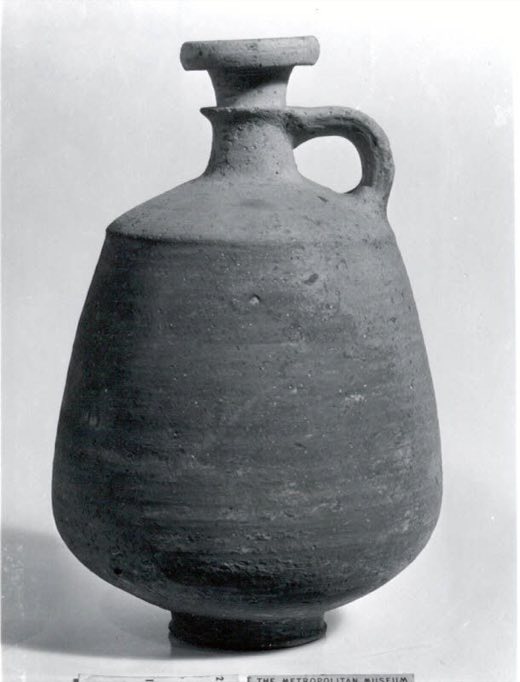 The Metropolitan Museum of Art, New York · 34.126.36PotterClay water jug from Lachish in Judah, late 8th–7th century BC, 23 cm — everyday potter’s work of Jeremiah’s time and just before.
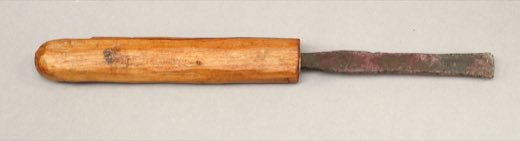 The Metropolitan Museum of Art, New York · 22.3.248Carpenter and builderCarpenter’s chisel, a copper-alloy blade in a wooden handle, from Egypt, about 1473–1458 BC, 21.7 cm; it was buried with other tools when a temple…
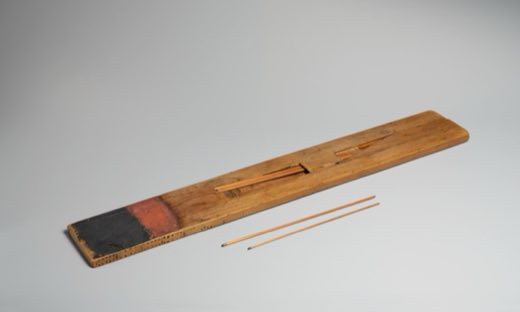 The Metropolitan Museum of Art, New York · 47.123a–gScribeEgyptian scribe’s palette of wood with cakes of black and red ink and reed pens, made for Smendes, high priest at Thebes, about 1000 BC, 48.6 cm.
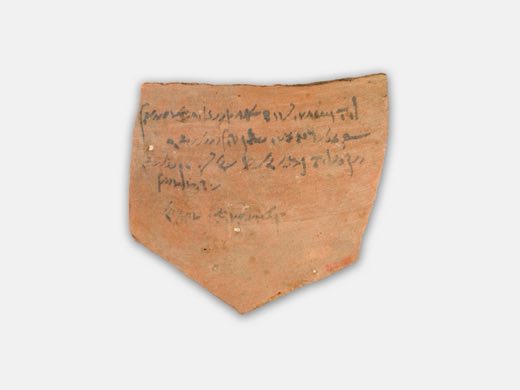 The Metropolitan Museum of Art, New York · 21.2.123Tax collectorReceipt for a tax paid on wine, written in ink on a potsherd, Egypt under the Greek kings, 174 BC, 12.4 cm. Tax receipts were often written on…
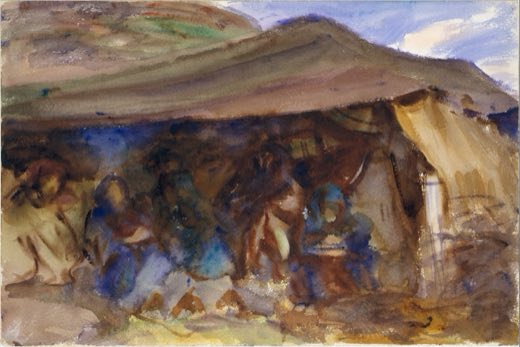 The Metropolitan Museum of Art, New York · 50.130.44TentmakerAn artist’s picture, not of Bible times: John Singer Sargent’s watercolor of a Bedouin tent, 1905–06. Bedouin tents are woven of dark goat hair, as…
9 objects
Clothing and adornment
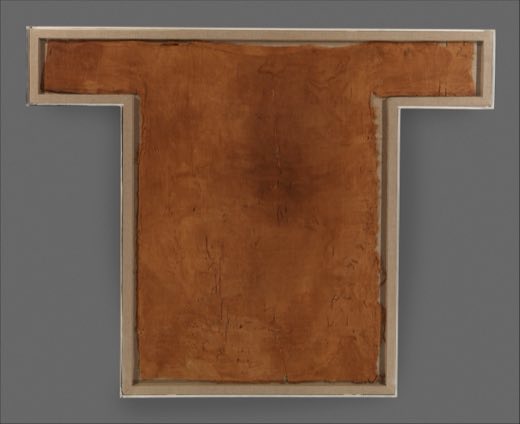 The Metropolitan Museum of Art, New York · 33.10.48Tunic and cloakPlain linen tunic from Egypt, 4th–7th century AD, 136 cm long — some centuries after the Gospels. Egypt’s dry ground has kept everyday clothes like…
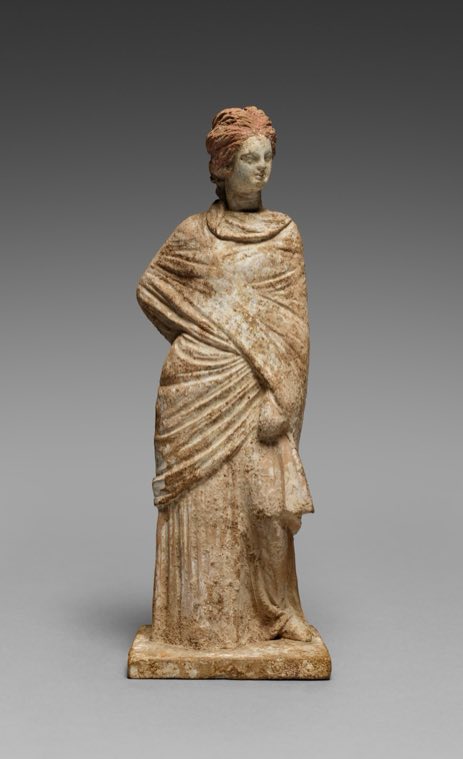 Cleveland Museum of Art · 1926.522Tunic and cloakGreek clay figurine, 330–200 BC, 23.5 cm: a woman in a chiton with a himation (cloak) wrapped over it — the two garments the Greek New Testament…
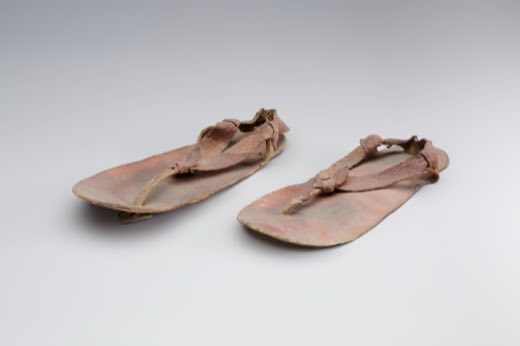 The Metropolitan Museum of Art, New York · 36.3.159a, bSandalsPair of leather sandals stained red, from a burial at Thebes in Egypt, about 1473–1458 BC, 19.8 cm long: a thin sole held on the foot by straps.
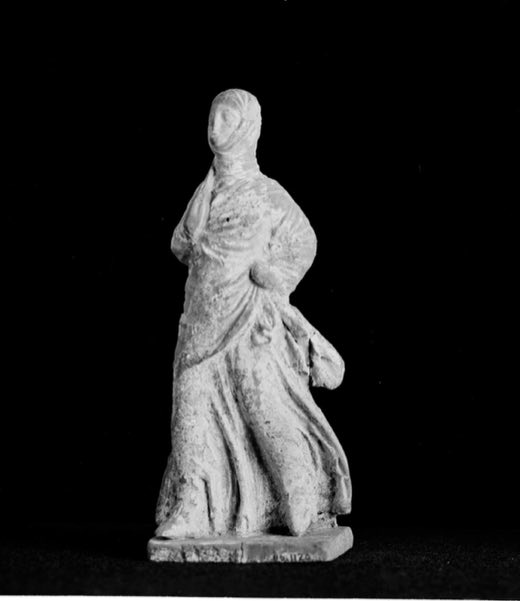 The Metropolitan Museum of Art, New York · 06.1120Head coverings and veilsGreek clay figurine of a woman with her mantle drawn over her head, late 4th–early 3rd century BC, 11.6 cm. In the Greek world of the time women…
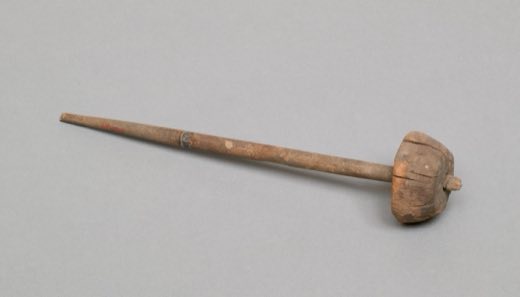 The Metropolitan Museum of Art, New York · 11.151.681Linen and woolWooden spindle from Egypt, about 1300–1080 BC, 22 cm long; the round whorl on the shaft kept it turning as the thread was spun.
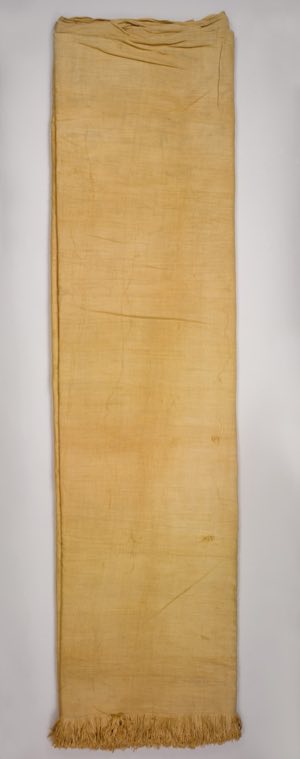 The Metropolitan Museum of Art, New York · 20.3.222Linen and woolFine Egyptian linen with a fringe, from a tomb at Thebes, about 1981–1975 BC, shown folded: unrolled, it is over 20 m long.
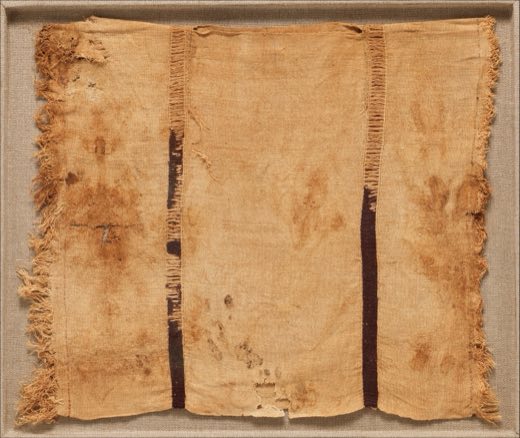 The Metropolitan Museum of Art, New York · 33.10.39Purple and scarletChild’s linen tunic from Egypt, 4th–7th century AD, 50 cm, with bands woven in purple-colored wool. Whether the purple came from sea snails or from…
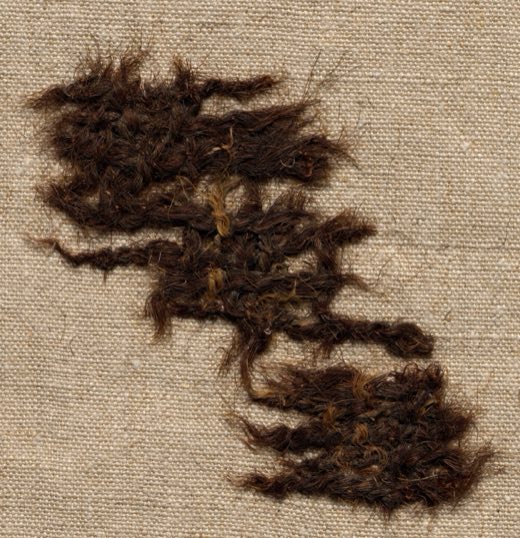 Cleveland Museum of Art · 1938.406SackclothScrap of plain cloth woven from goat hair, from Dura-Europos on the Euphrates, 3rd century AD, 7 cm. Coarse dark goat-hair cloth like this was used…
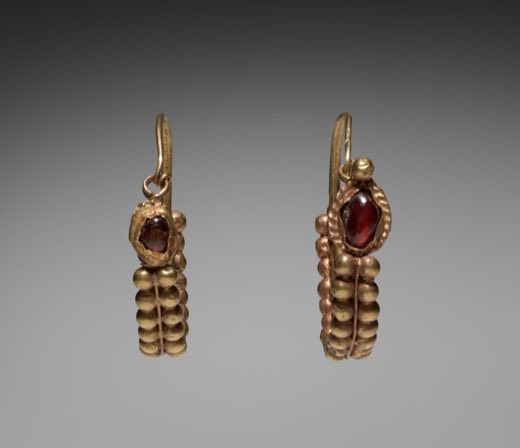 Cleveland Museum of Art · 1985.174Jewelry and sealsPair of gold earrings set with garnets, Roman Syria, 100 BC–AD 100, 2.4 cm — jewelry of the kind worn in the Near East around New Testament times.
8 objects
Precious stones and metals
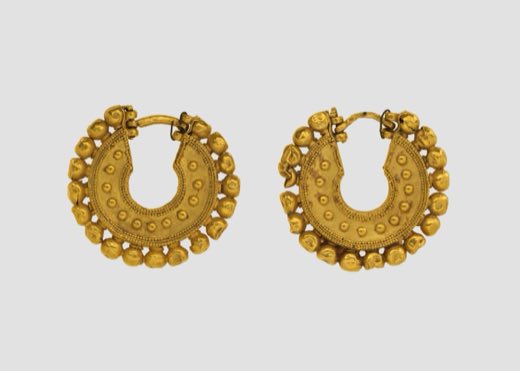 The Metropolitan Museum of Art, New York · 1995.180a, bGoldPair of gold earrings from Persia, 6th–4th century BC, 2.9 cm — goldwork of the Persian age, when goldsmiths helped repair Jerusalem’s wall.
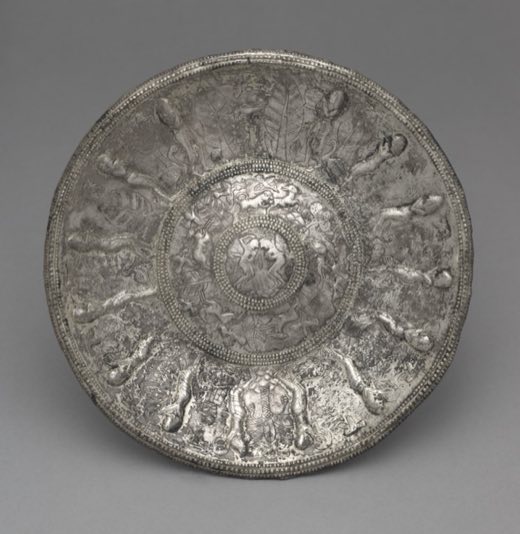 Cleveland Museum of Art · 1947.491SilverSilver dish, partly gilded, with bands of embossed figures, made by Phoenician craftsmen, 700–600 BC, 19.5 cm across. The Phoenicians were famous…
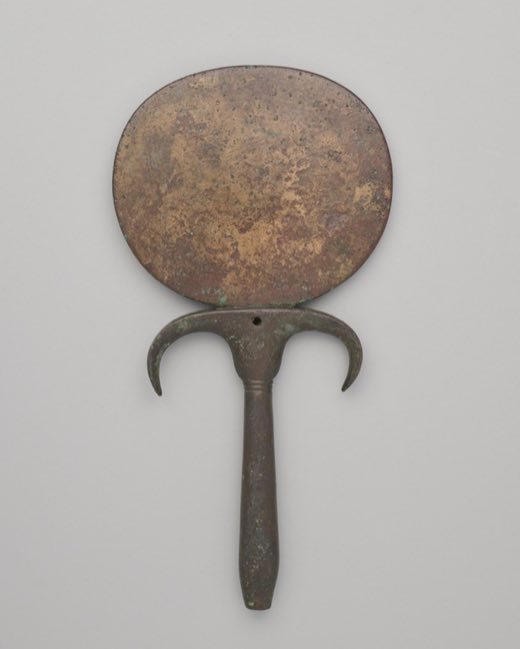 Art Institute of Chicago · 1894.725Bronze and copperEgyptian hand mirror of copper alloy, once polished bright, about 1550–1295 BC, 20 cm — the kind of mirror the women gave for the bronze basin.
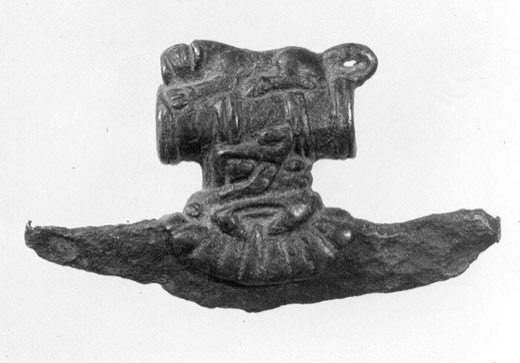 The Metropolitan Museum of Art, New York · 1988.102.3IronAxe head from Iran, early 1st millennium BC, 14 cm: a bronze socket with an iron blade, from the time when iron was new and valuable.
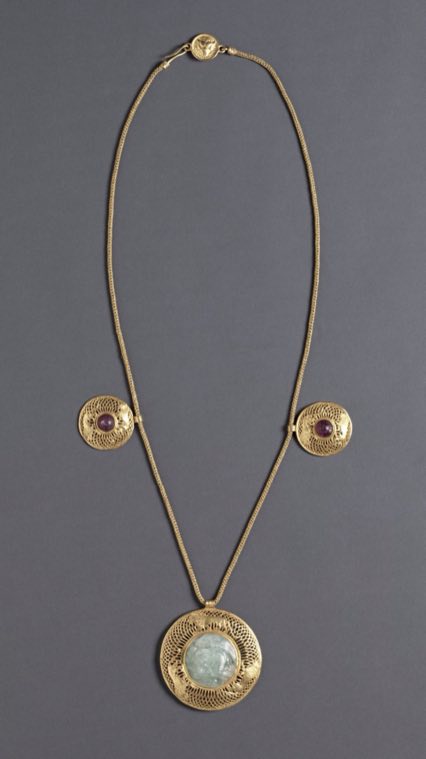 Cleveland Museum of Art · 1947.506Stones of the breastpieceRoman-era gold necklace set with amethysts and a carved beryl, AD 1–200, 53 cm. Ancient gems were polished smooth and rounded, not cut with facets…
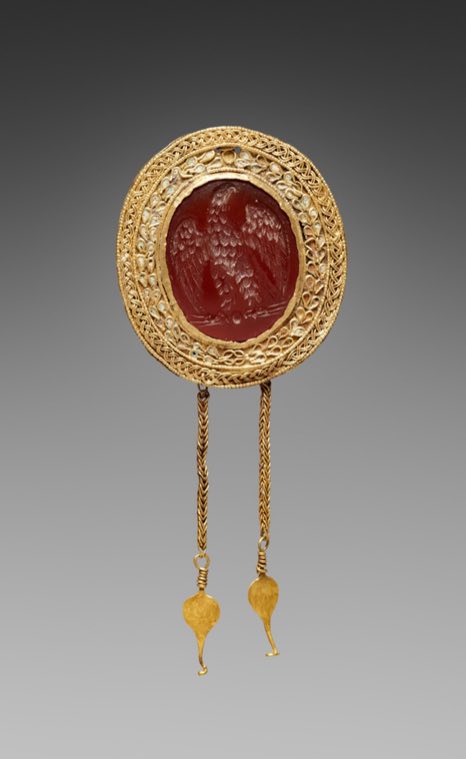 Cleveland Museum of Art · 1977.13Stones of the breastpieceCarnelian engraved with an eagle, Rome, about AD 1–25, 3.5 cm, in a gold setting. Stones were engraved like this to serve as seals.
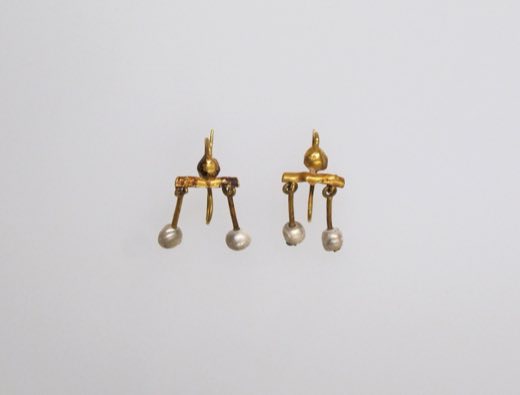 The Metropolitan Museum of Art, New York · 20.235PearlRoman gold earring with pearls, 1st century AD, 3.3 cm, shown with its pair — jewelry of the New Testament era; pearls came by trade from the…
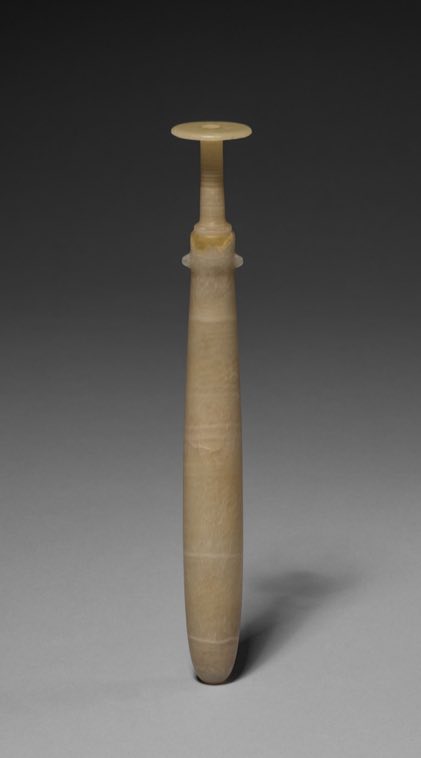 Cleveland Museum of Art · 1995.262AlabasterSlender perfume flask of Egyptian alabaster with its stopper, 305–222 BC, 22.9 cm — the shape the Greeks called an alabastron.
10 objects
Weapons and warfare
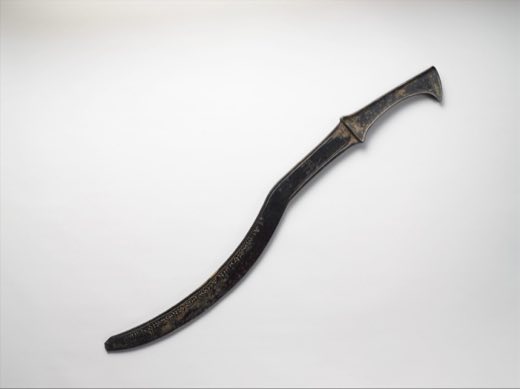 The Metropolitan Museum of Art, New York · 11.166.1Sword and daggerBronze sickle sword from Assyria, about 1307–1275 BC, 53.5 cm long, inscribed on the blade. Curved swords like this struck with their outer edge.
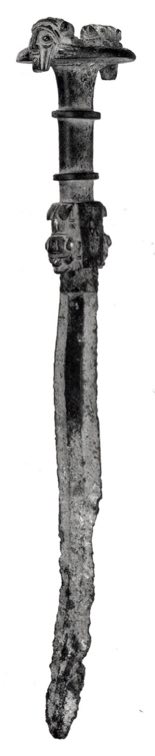 The Metropolitan Museum of Art, New York · 61.62Sword and daggerIron sword from Iran, 8th–7th century BC, 50.3 cm, with figures on the hilt. By this time iron blades had spread across the Near East.
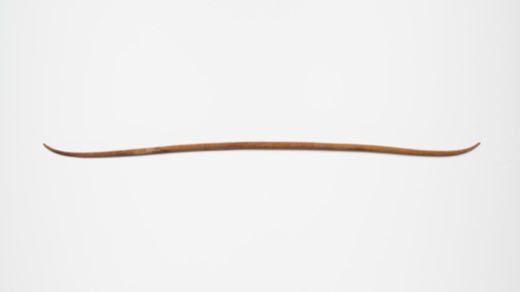 The Metropolitan Museum of Art, New York · 12.181.223Bow and arrowWooden bow from Thebes in Egypt, about 1550–1300 BC, 167 cm. Simple bows like this were cut from one piece of wood; stronger bows of wood, horn and…
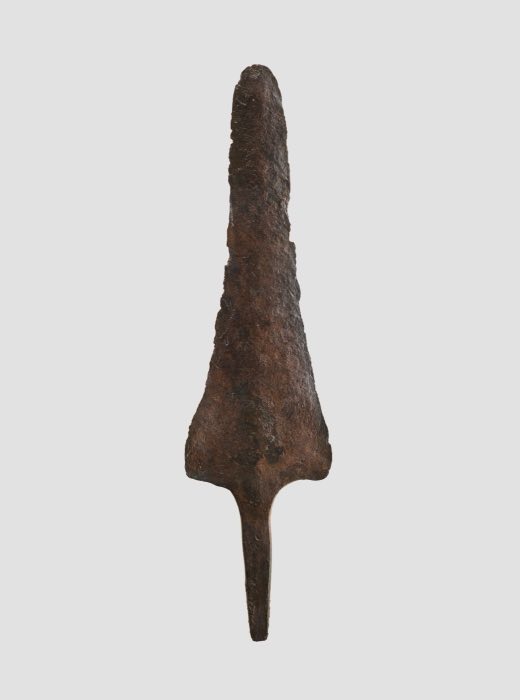 The Metropolitan Museum of Art, New York · 34.126.1Spear and javelinBronze spearhead from Lachish in Canaan, about 1780–1580 BC, 20 cm — centuries before Israel’s kings. Its tang fitted into a wooden shaft.
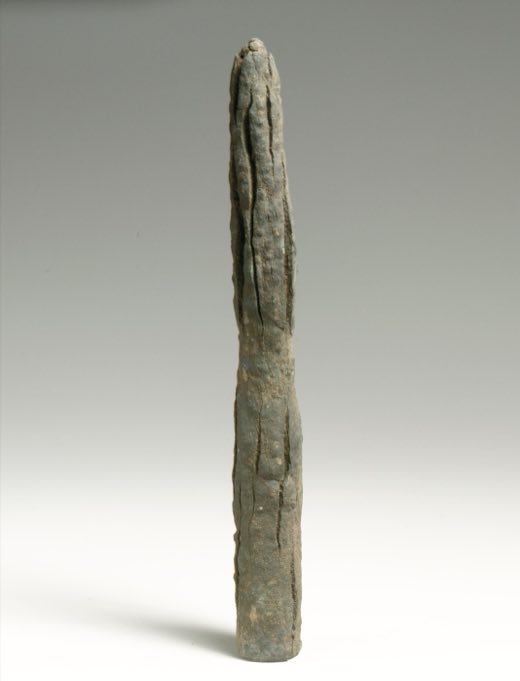 The Metropolitan Museum of Art, New York · 74.51.5318Spear and javelinBronze spike from the butt of a spear, Cyprus, about 1050–1000 BC, 19.4 cm; it let a spear stand upright in the ground.
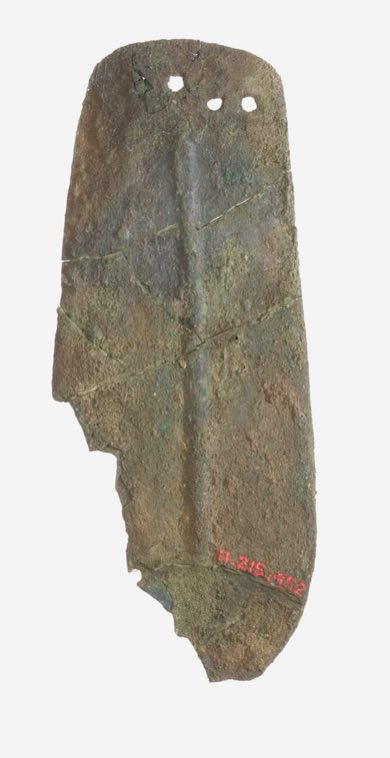 The Metropolitan Museum of Art, New York · 11.215.452iShield, helmet and armorBronze armor scale from Thebes in Egypt, about 1386–1347 BC, about 11.5 cm. Hundreds of such scales, sewn onto cloth or leather, made a coat of mail.
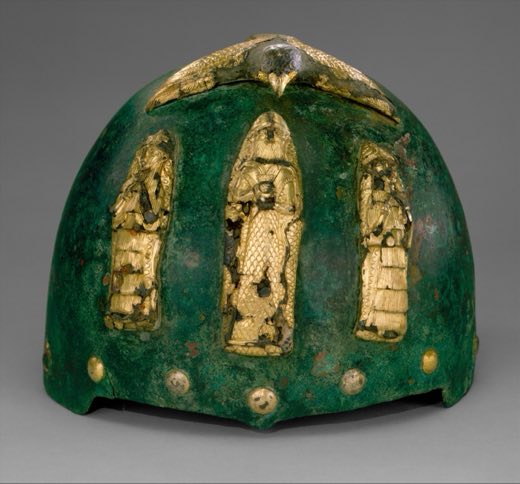 The Metropolitan Museum of Art, New York · 63.74Shield, helmet and armorBronze helmet from Elam in southwestern Iran, about 1500–1100 BC, with figures in gold foil — far from Israel, but of bronze, as Saul’s helmet was.
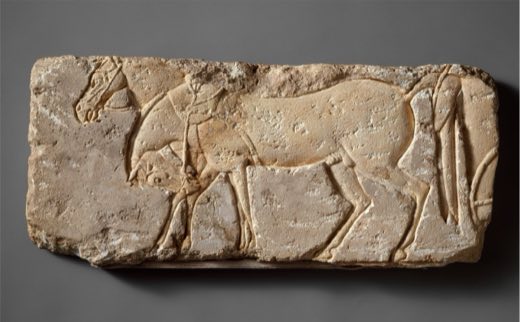 The Metropolitan Museum of Art, New York · 1985.328.18Chariots and horsesPainted relief from Amarna in Egypt, about 1347–1330 BC, 52 cm: a pair of horses in harness; the chariot’s wheel is at the edge.
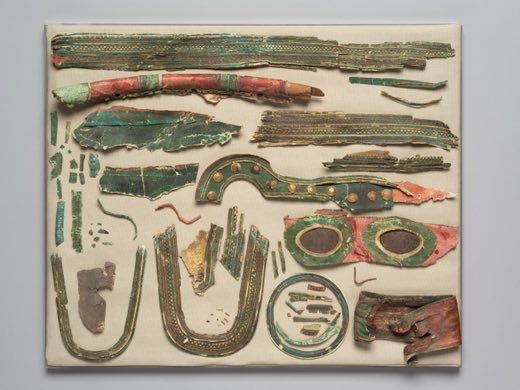 The Metropolitan Museum of Art, New York · 24.8a–tChariots and horsesDyed and gilded leather from the harness of a chariot of Pharaoh Amenhotep III, Thebes, about 1386–1347 BC.
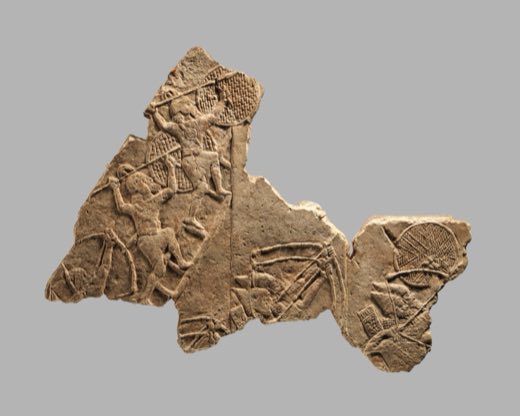 The Metropolitan Museum of Art, New York · 32.143.15City walls and siegesFragment of a palace relief from Nineveh, reign of Sennacherib, 704–681 BC, 83 cm: Assyrian troops attack a city. Which city is not known; the…
8 objects
Music and instruments
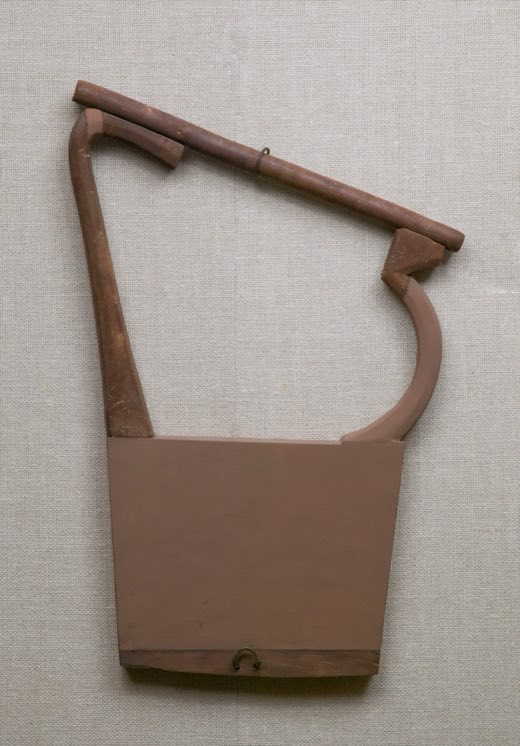 The Metropolitan Museum of Art, New York · 16.10.504LyreWooden lyre from a tomb at Thebes in Egypt, about 1550–1458 BC, partly restored; its two arms are of unequal length.
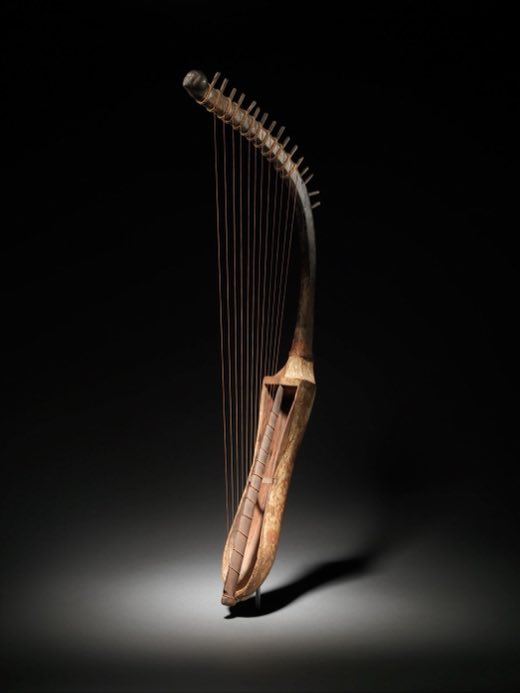 The Metropolitan Museum of Art, New York · 43.2.1HarpEgyptian arched harp of wood, about 1386–1300 BC, 82 cm. By one view the instrument the Bible calls the harp was like this; by another, a large lyre.
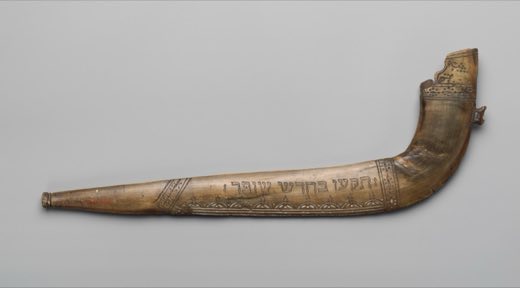 The Metropolitan Museum of Art, New York · 89.4.2899Ram’s horn and trumpetsRam’s-horn shofar, perhaps 18th century, 58.2 cm — much later than the Bible, made the same way. It is engraved with the words of Psalm 81 about…
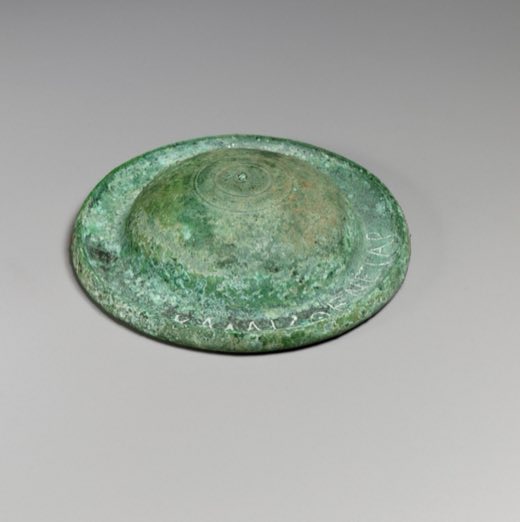 The Metropolitan Museum of Art, New York · 13.225.5a, bCymbalsOne of a pair of small bronze cymbals from Greece, 5th–4th century BC, 9.8 cm across; cymbals were played as a pair, struck together.
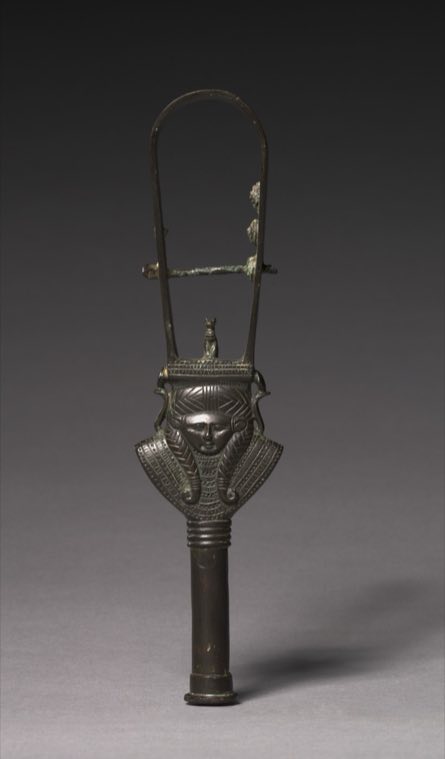 Cleveland Museum of Art · 1920.1990CymbalsBronze sistrum, a rattle shaken in Egyptian temples, 380–343 BC, 21.4 cm, with the face of the goddess Hathor. Metal disks on its wires made a…
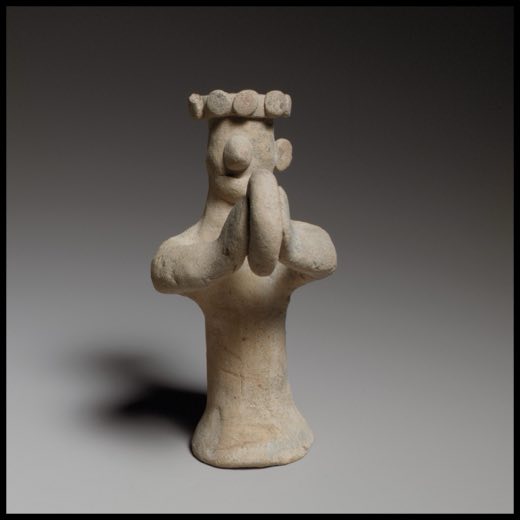 The Metropolitan Museum of Art, New York · 74.51.1675Tambourine and danceClay figurine of a player holding a round frame drum, from Cyprus, about 600–480 BC, 9.5 cm. The tambourine of the Bible was most likely a frame…
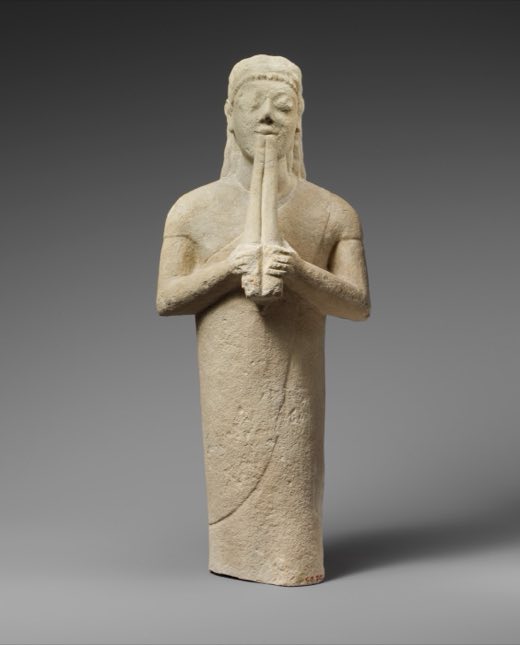 The Metropolitan Museum of Art, New York · 74.51.2534Pipe and fluteLimestone statuette of a man playing the aulos, a double reed pipe, from Cyprus, 6th century BC, 34.3 cm.
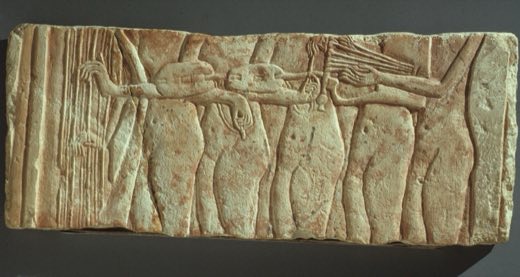 The Metropolitan Museum of Art, New York · 1985.328.12Levite singers and musiciansEgyptian relief of a band of women musicians, from Amarna, about 1347–1330 BC, 53 cm. No picture of the Levite singers is known; trained musicians…
9 objects
Feasts and festivals
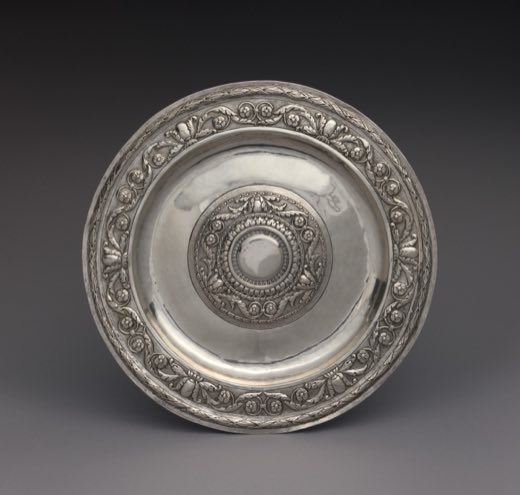 The Metropolitan Museum of Art, New York · 2024.515Passover and Unleavened BreadSilver seder plate made in Italy in 1824, 43.2 cm — from an age long after the Bible. At the Passover meal Jews still eat unleavened bread and…
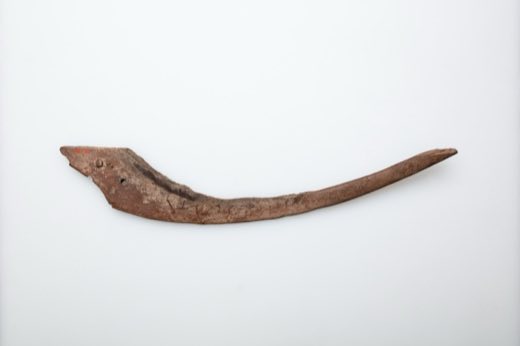 The Metropolitan Museum of Art, New York · 22.1.661Feast of WeeksWooden sickle from Egypt, about 1200–1080 BC, 40.4 cm; its groove once held a row of flint teeth. Grain across the Near East was reaped with sickles…
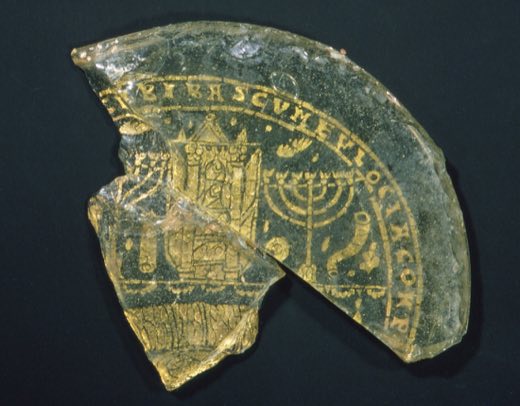 The Metropolitan Museum of Art, New York · 18.145.1a, bNew moons and the Feast of TrumpetsFragments of a Roman gold-glass bowl, AD 300–350, 7 cm: a Torah shrine, a seven-branched lampstand and a ram’s horn — as Jews of the 4th century…
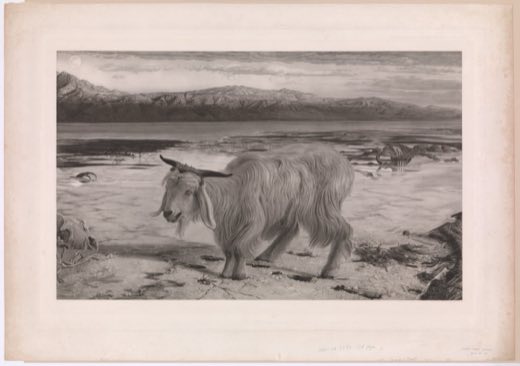 The Metropolitan Museum of Art, New York · 2021.15.19Day of AtonementAn artist’s picture, not of Bible times: an English engraving of 1861 after William Holman Hunt’s painting of the goat sent away into the wilderness.
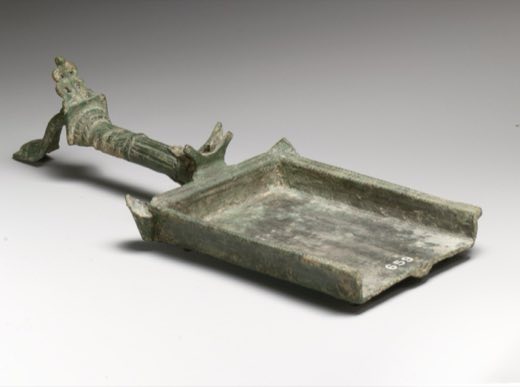 The Metropolitan Museum of Art, New York · 00.13.7Day of AtonementRoman bronze incense shovel, late 1st–early 2nd century AD, 31.8 cm; shovels like this carried burning coals for incense.
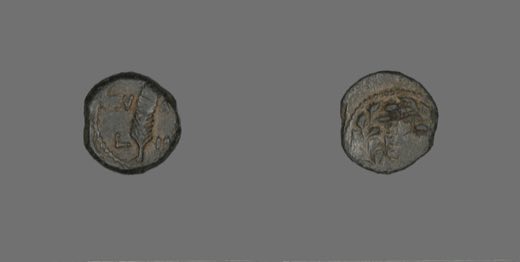 Art Institute of Chicago · 1923.1403Feast of BoothsSmall bronze coin struck in Judea under the Roman governor Valerius Gratus, AD 24–25, 1.6 cm, with a palm branch.
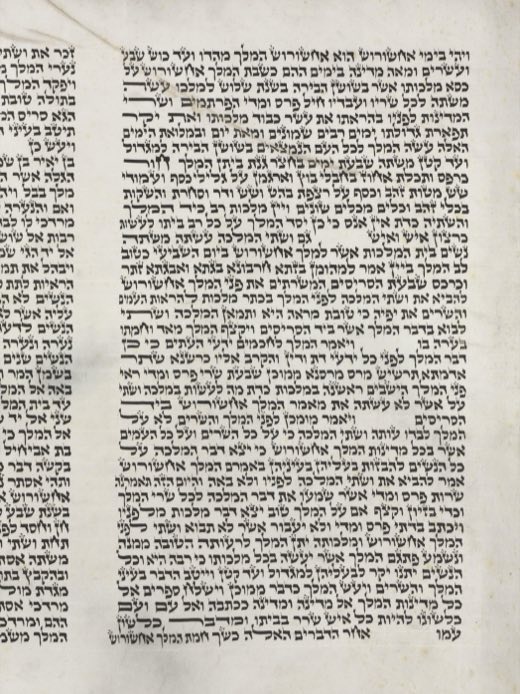 Cleveland Museum of Art · 1917.894PurimHandwritten Scroll of Esther on vellum, probably from eastern Europe, about 1850, 37.9 cm. By Jewish custom the book is read aloud from such a…
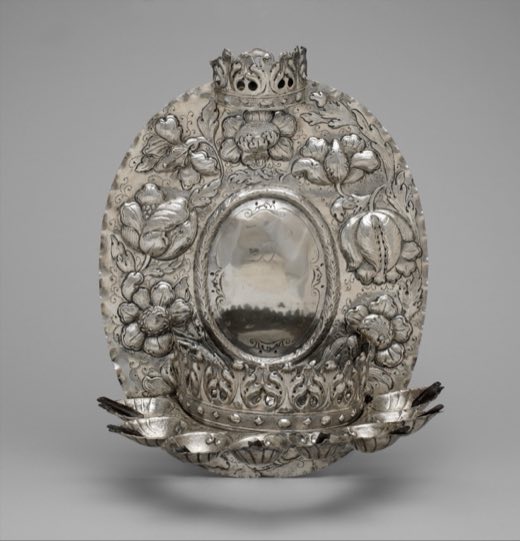 The Metropolitan Museum of Art, New York · 13.41.9Feast of DedicationSilver Hanukkah lamp, late 17th century, 34.3 cm — from an age long after the Bible. At the feast Jews light such lamps, one more each night.
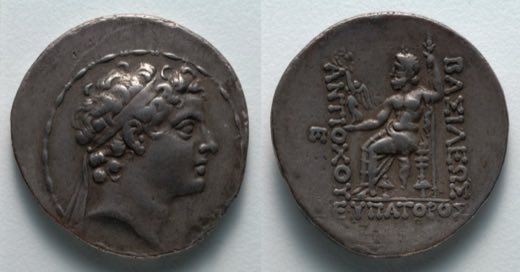 Cleveland Museum of Art · 1916.975Feast of DedicationSilver coin of the boy-king Antiochus V, son of Antiochus IV, 164–162 BC, 3.1 cm — struck in the years right after the temple was rededicated.
7 objects
Tabernacle and temple
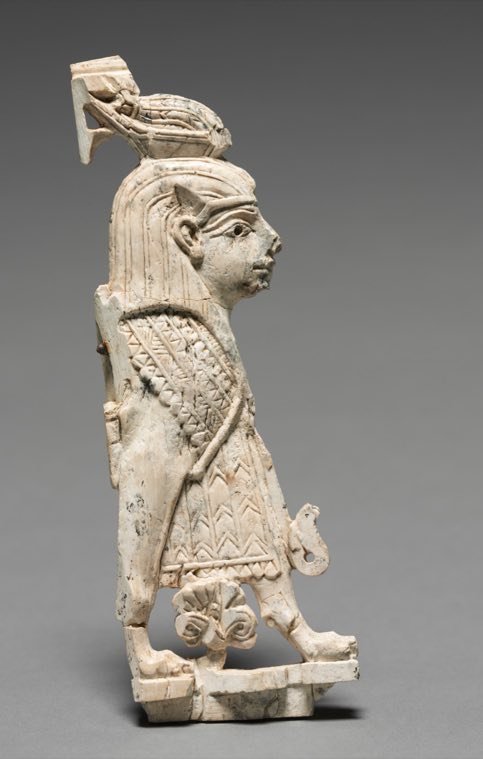 Cleveland Museum of Art · 1968.46Solomon’s templeIvory plaque in the Phoenician style with a winged figure, 9th century BC, 16.1 cm, found at Nimrud. The craftsmen Solomon hired from Tyre were…
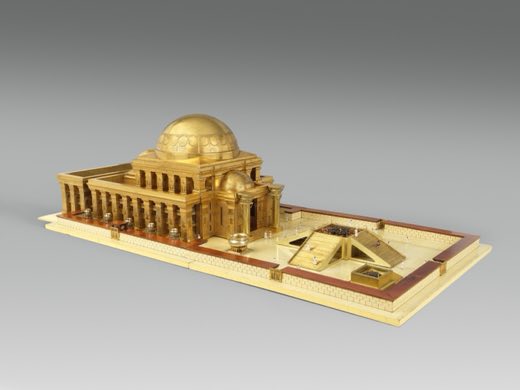 The Metropolitan Museum of Art, New York · 2019.66.1a–o–.95Solomon’s templeOne man’s reconstruction: a gilded model of Solomon’s temple made in London in 1883 after a design by Thomas Newberry. No remains of the temple have…
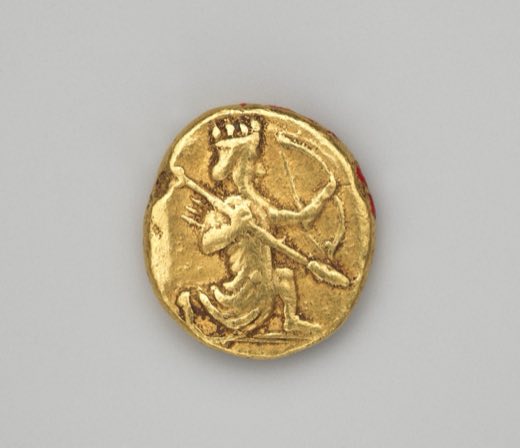 The Metropolitan Museum of Art, New York · 52.127.1The second templeGold daric of the Persian kings, 4th century BC, 1.7 cm, with the king as an archer. The returning exiles gave darics for the temple; this coin is…
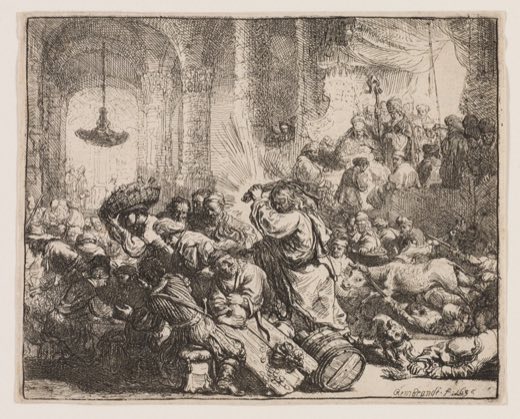 Art Institute of Chicago · 1927.5122Herod’s templeAn artist’s picture, not of Bible times: Rembrandt’s etching of 1635 of Jesus driving out the money changers, in a temple of his own imagining.
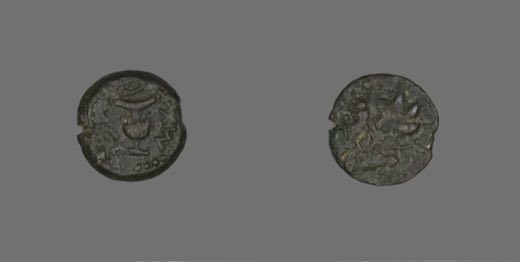 Art Institute of Chicago · 1923.1398Herod’s templeBronze coin of the Jewish revolt against Rome, AD 67–68, 1.8 cm, with a two-handled jar — struck two years before the temple was destroyed in AD 70.
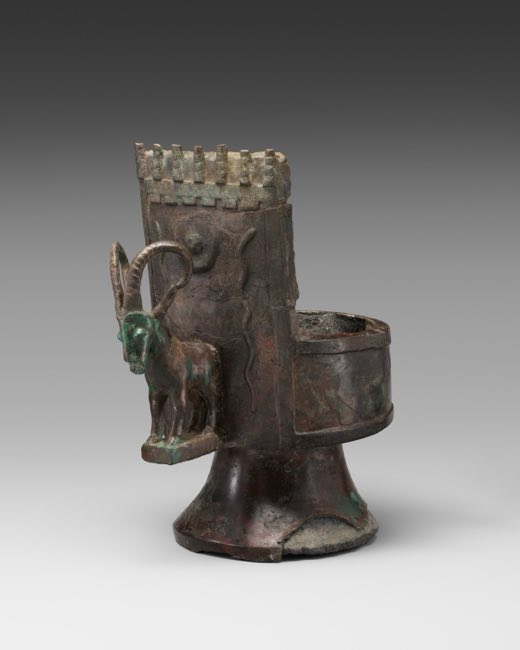 The Metropolitan Museum of Art, New York · 49.71.2Altar and offeringsBronze incense burner from southern Arabia, middle of the 1st millennium BC, 27.7 cm — the land frankincense came from. Israel’s incense altar was…
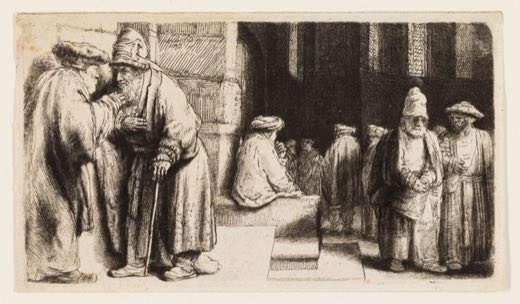 Art Institute of Chicago · 1924.620SynagogueAn artist’s picture, not of Bible times: Rembrandt’s small etching of 1648 of men in a synagogue of his own day.
9 objects
The Bible in stone
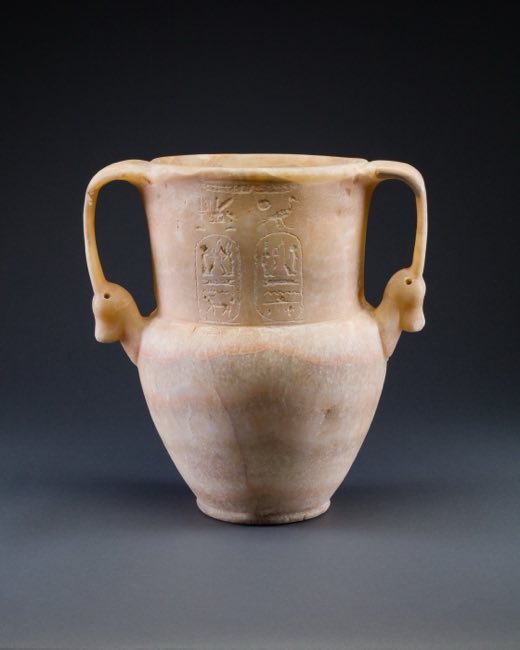 The Metropolitan Museum of Art, New York · 23.5Merneptah SteleAragonite jar with the name rings (cartouches) of Pharaoh Merneptah, about 1224–1214 BC, 38 cm high, found by his tomb at Thebes. His stele from…
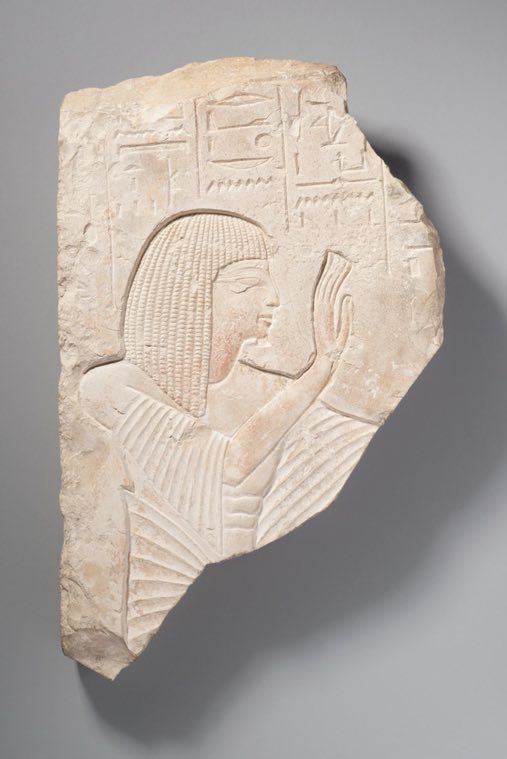 Art Institute of Chicago · 1924.579Merneptah SteleFragment of a limestone stela of Neferhotep from Deir el-Medina, the workmen’s village at Thebes, about 1240–1195 BC: a man raises his hand in…
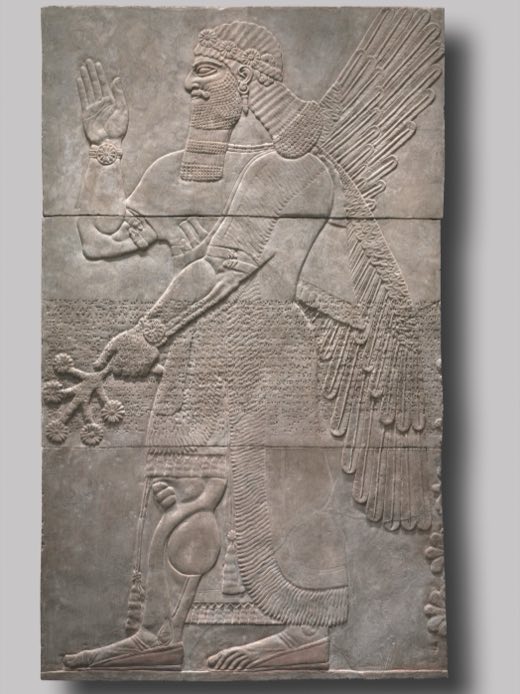 Cleveland Museum of Art · 1943.246Black Obelisk of Shalmaneser IIIRelief of a winged protective spirit from the palace of Ashurnasirpal II at Nimrud, ancient Calah, 883–859 BC, 2.3 m high. His son Shalmaneser III…
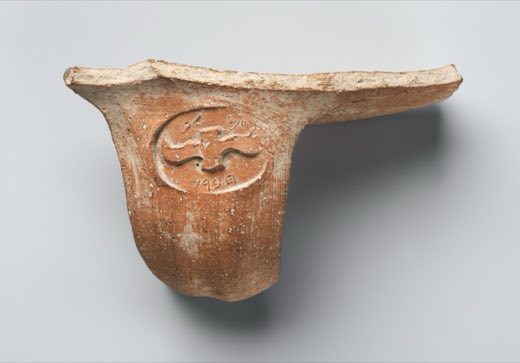 The Metropolitan Museum of Art, New York · 34.126.67Siloam InscriptionHandle of a storage jar from Lachish in Judah, late 8th–7th century BC, stamped with a winged emblem and Hebrew letters. Stamps of this kind read…
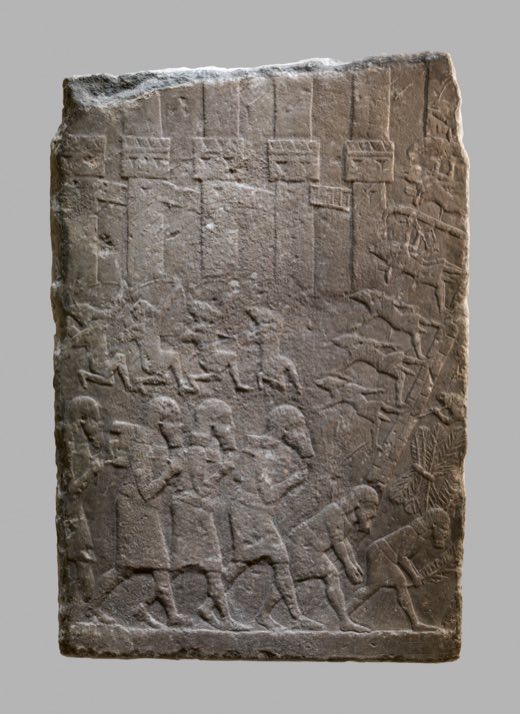 The Metropolitan Museum of Art, New York · 55.121.4a, bSennacherib’s PrismRelief from Sennacherib’s palace at Nineveh, 704–681 BC, 1.24 m high: Assyrian soldiers storm a walled town, and below, people on foot are led away.…
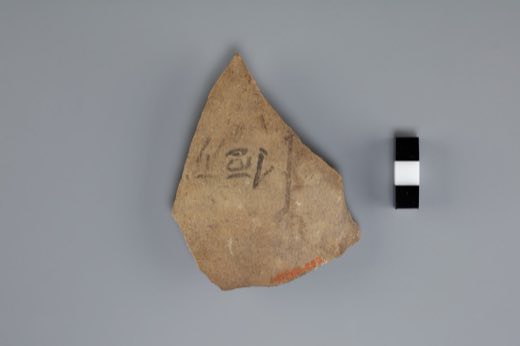 The Metropolitan Museum of Art, New York · 09.184.205Lachish LettersEgyptian ostracon from Thebes — a piece of broken pottery with a few signs in ink, about 1550–1300 BC, 9.6 cm. The Lachish letters were written the…
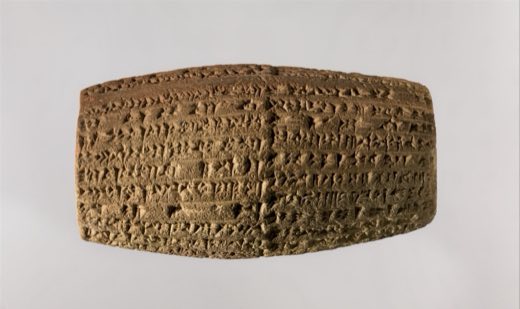 The Metropolitan Museum of Art, New York · 86.11.60Cyrus CylinderClay cylinder of Nebuchadnezzar II about his work on the outer wall of Babylon, 604–562 BC, 12.35 cm long. The Cyrus Cylinder, written for Cyrus…
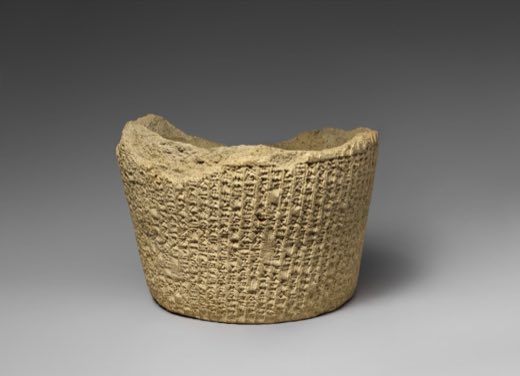 The Metropolitan Museum of Art, New York · 86.11.281Cyrus CylinderClay cylinder of Nabonidus, the last king of Babylon, about his work on three temples, 555–539 BC. The Cyrus Cylinder blames Nabonidus for…
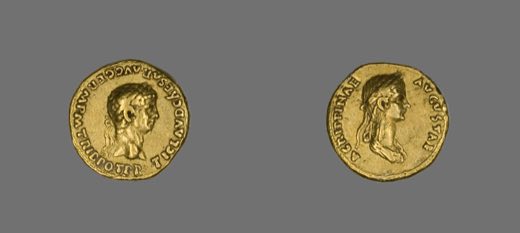 Art Institute of Chicago · 1922.4861Gallio InscriptionGold aureus of the emperor Claudius, with his wife Agrippina on the back, Rome, AD 50–54, 1.9 cm. Claudius wrote the letter to Delphi that names…
14 objects
How the Bible came to be
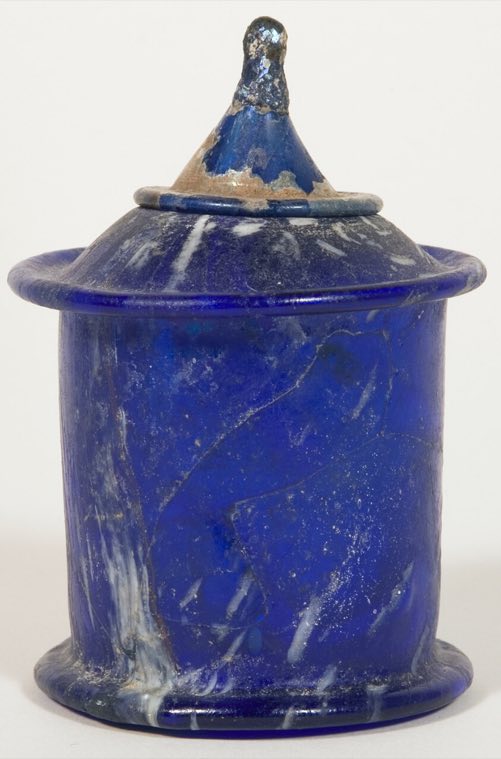 Art Institute of Chicago · 1943.1166a-bScrolls, papyrus and parchmentRoman inkwell of blue glass with its lid, 1st century AD, 6.6 cm high. Ink of soot and gum was kept in pots like this, and the cut reed pen was…
 Cleveland Museum of Art · 1921.1032Scrolls, papyrus and parchmentPapyrus roll of the Book of the Dead of Hori, Egypt, about 1069–945 BC: hieroglyphs and pictures in columns. Long texts were written on rolls of…
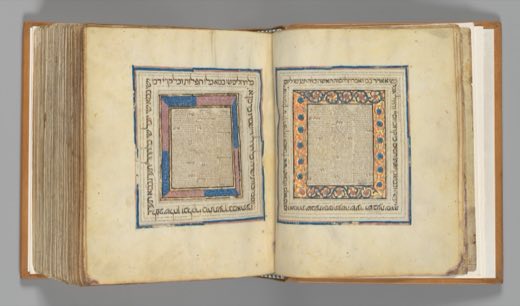 The Metropolitan Museum of Art, New York · 2018.59The Masoretic TextHebrew Bible copied in Spain, 1300–1350, on parchment, 476 leaves, open at two decorated pages. Medieval Hebrew Bibles like this one carry the…
- Art Institute of Chicago · 1923.1145The SeptuagintSilver tetradrachm struck at Tyre in 253–252 BC, in the reign of Ptolemy II of Egypt — the king of the Septuagint story in the Letter of Aristeas.…
- The Metropolitan Museum of Art, New York · 09.182.50The SeptuagintPapyrus with lines of Homer’s Odyssey, Ptolemaic Egypt, about 285–250 BC, 19.1 cm. Greek books were copied like this in Egypt in the years when, by…
- Art Institute of Chicago · 1923.1202The SeptuagintBronze coin of Hieron II, king of Syracuse, 274–216 BC, 2.7 cm, with a horseman on the back — the king of Archimedes’ Syracuse.
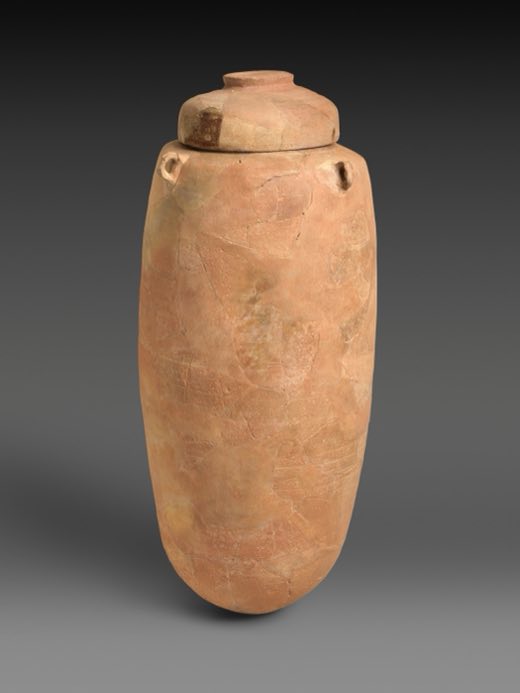 The Metropolitan Museum of Art, New York · 64.26a, bThe Dead Sea ScrollsClay jar and lid from Cave 1 near Qumran, about the 2nd century BC, 62 cm high — the kind of tall jar in which the first Dead Sea Scrolls were found…
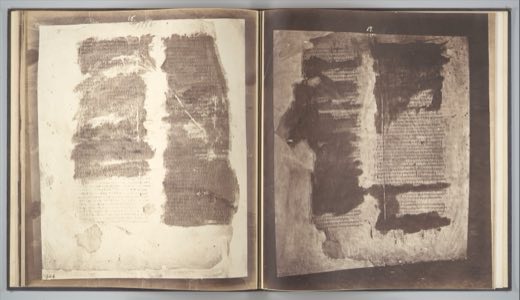 The Metropolitan Museum of Art, New York · 2009.18 (1–22)The great codicesPhotographs by Roger Fenton, 1856, of two damaged pages of the Codex Alexandrinus. At its end the codex also holds letters ascribed to Clement of…
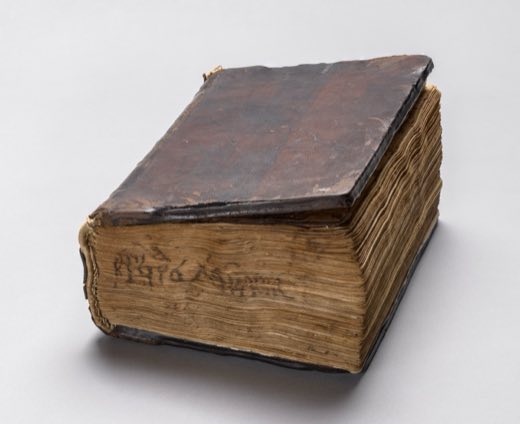 Cleveland Museum of Art · 1942.152The great codicesGreek Gospel book with commentaries, Constantinople, about 1000–1100, on parchment: a codex of folded leaves sewn at the spine — the form of the…
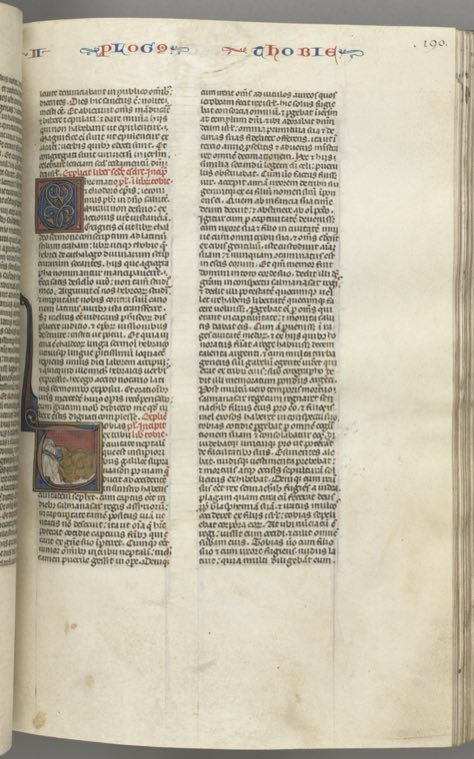 Cleveland Museum of Art · 2008.2.190.aWhich books are in the BibleLeaf of a Latin Bible from southern France, about 1275–1300: Jerome’s preface and the start of Tobit, with Tobit asleep in the initial. Latin Bibles…
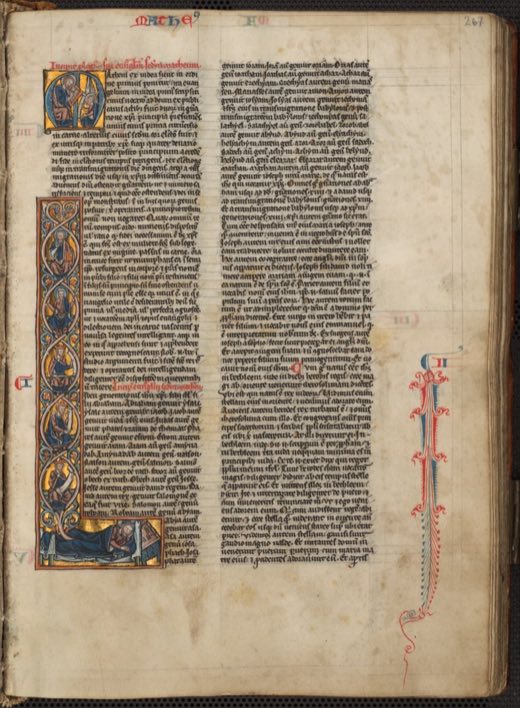 Art Institute of Chicago · 1915.524The Vulgate and other ancient versionsLatin Bible copied in Paris about 1230–1240, on parchment, open at the start of Matthew, with Christ’s ancestors in the long initial. Its text is…
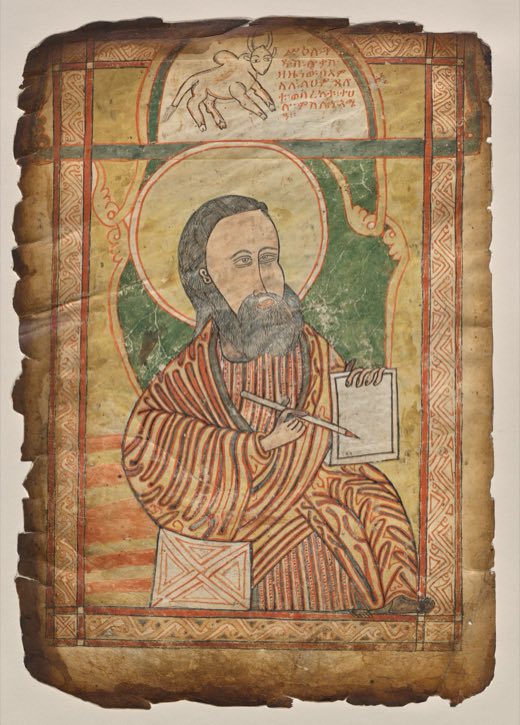 Cleveland Museum of Art · 1999.212The Vulgate and other ancient versionsLeaf of a Gospel book from Ethiopia, about 1440–1480, on parchment: Luke writing, with an ox above and words in Ge’ez, the old church language of…
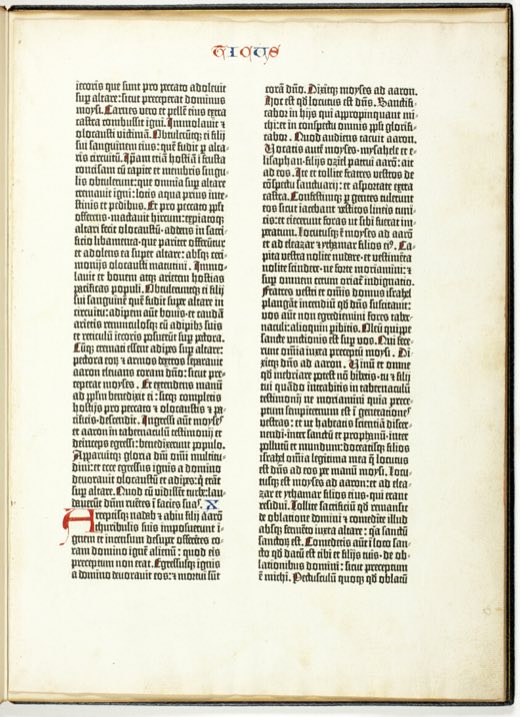 Art Institute of Chicago · 1922.2210Printing and the Reformation BiblesLeaf of the Gutenberg Bible, Mainz, 1454/55, printed with movable metal type, the initials added by hand in red and blue. Its Latin text here is…
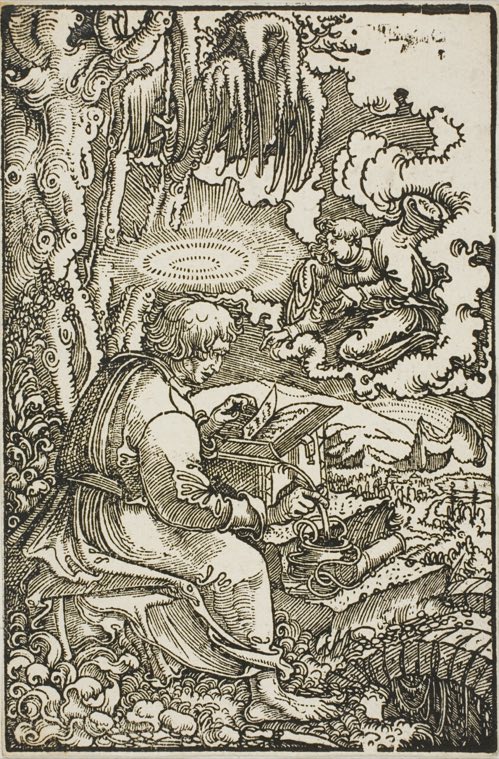 Art Institute of Chicago · 1969.30Printing and the Reformation BiblesWoodcut by Georg Lemberger of Matthew writing his Gospel, from an edition of Luther’s German Bible printed by Melchior Lotter, 1523 — a year after…
10 objects
Bible expressions we still use
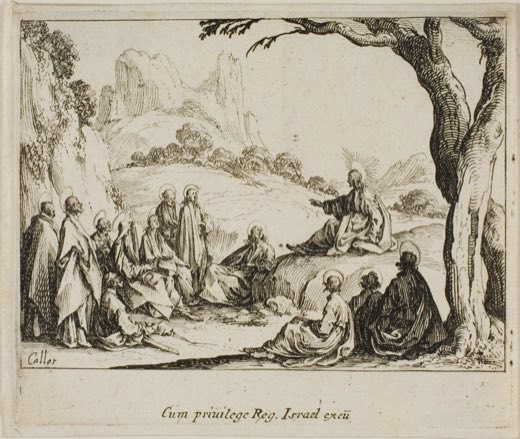 Art Institute of Chicago · 1921.187The salt of the earthEtching by Jacques Callot of Jesus teaching on the mountain, published 1635, 7.1 cm high — an artist’s picture, not of Bible times. In this sermon…
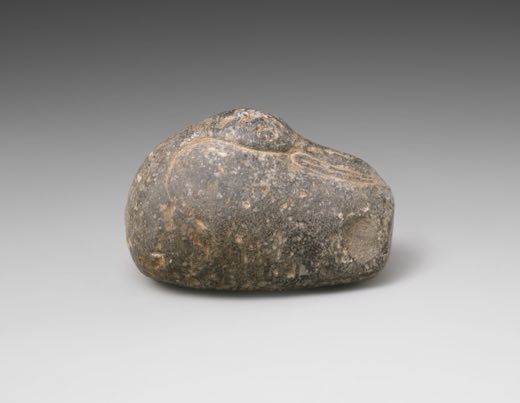 The Metropolitan Museum of Art, New York · 57.27.39The writing on the wallStone weight in the shape of a duck, Assyrian, 7th–6th century BC, 297 g. Weights were counted in shekels and minas, and MENE and TEKEL, the words…
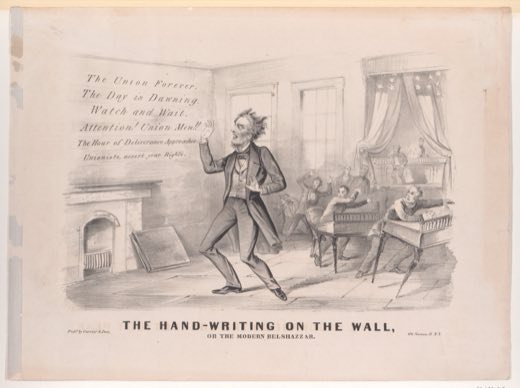 The Metropolitan Museum of Art, New York · 52.632.213The writing on the wallCartoon by Currier & Ives, New York, 1865, at the end of the American Civil War: a man takes fright at “The Union Forever” written on the wall — the…
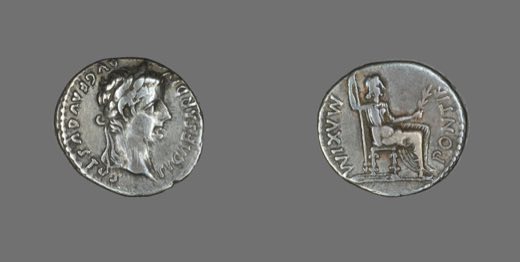 Art Institute of Chicago · 1920.990A good SamaritanSilver denarius of the emperor Tiberius, minted at Lyon, AD 14–37, 1.8 cm. A denarius was about a day’s wage for a laborer; the Samaritan left two…
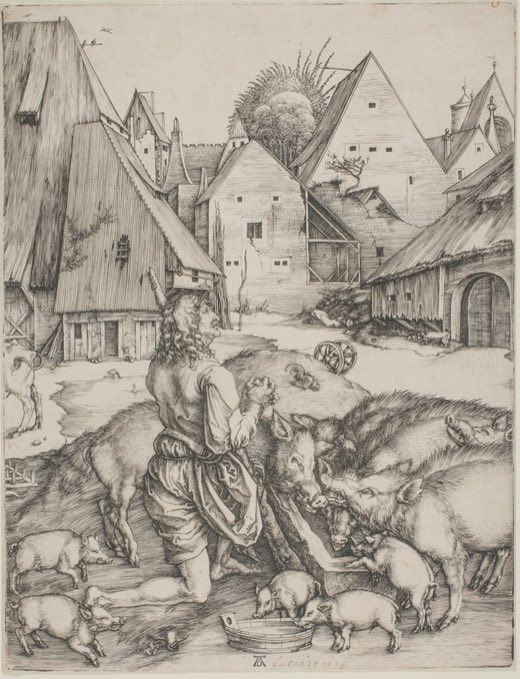 Art Institute of Chicago · 1938.1454The prodigal sonEngraving by Albrecht Dürer, about 1496: the prodigal son kneels among the pigs of a German farm — an artist’s picture, not of Bible times.
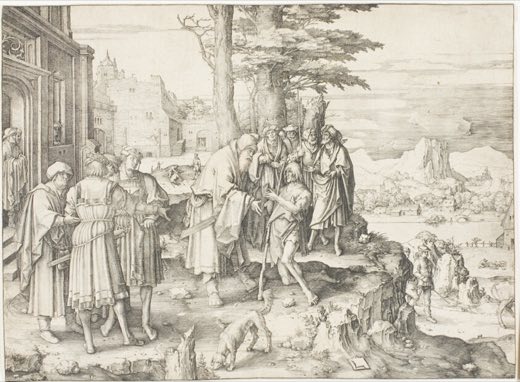 Art Institute of Chicago · 1938.1577The prodigal sonEngraving by Lucas van Leyden, about 1510: the father welcomes his son home, in the dress of the artist’s own day — an artist’s picture, not of…
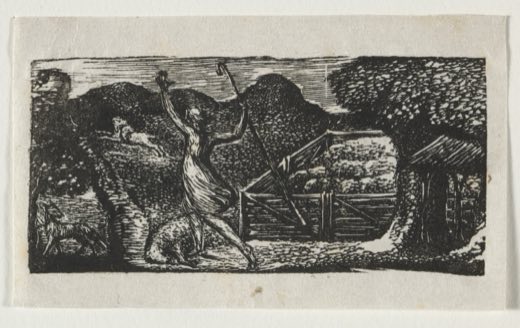 Cleveland Museum of Art · 1934.146A wolf in sheep’s clothingWood engraving by William Blake for a schoolbook edition of Virgil’s Pastorals, 1821: a shepherd chases a wolf from his sheep. A scene from a Roman…
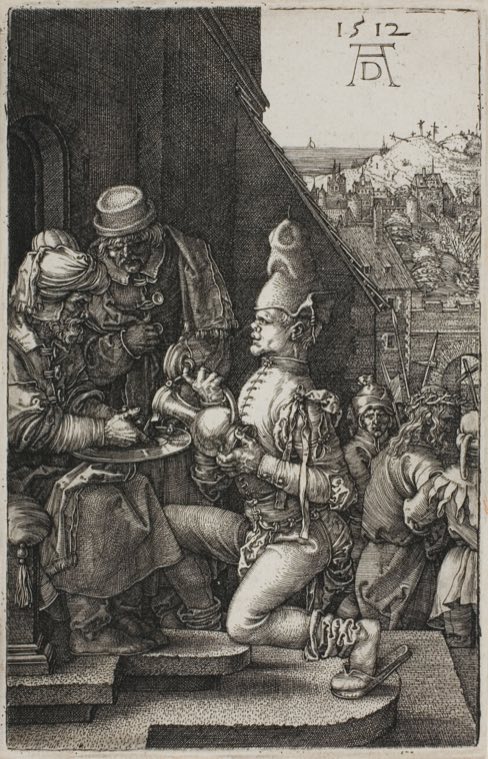 Art Institute of Chicago · 1950.14To wash one’s hands ofEngraving by Albrecht Dürer, 1512: Pilate washes his hands in a basin as a servant pours water from a jug, while Jesus is led away — an artist’s…
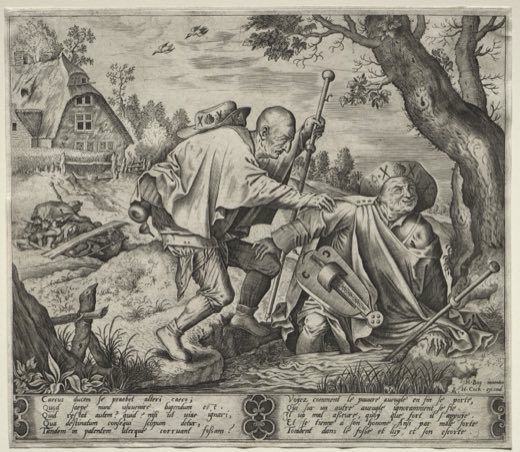 Cleveland Museum of Art · 1966.11The blind leading the blindEngraving by Pieter van der Heyden after Hieronymus Bosch, about 1561: one blind man leads another, and both stumble into a ditch — an artist’s…
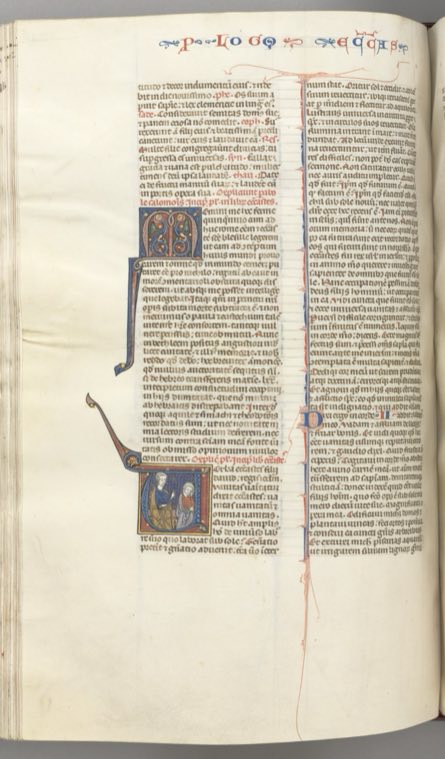 Cleveland Museum of Art · 2008.2.247.bNothing new under the sunLeaf of a Latin Bible from southern France, about 1275–1300: the start of Ecclesiastes, with the Teacher, shown as King Solomon, speaking in the…
8 objects
The sky of the Bible
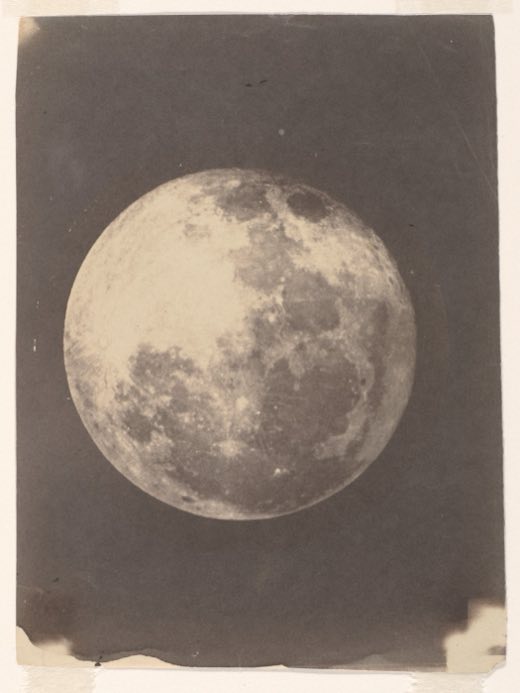 The Metropolitan Museum of Art, New York · 1978.649.7Sun and moon in the calendarPhotograph of the full Moon by John Adams Whipple and James Wallace Black, 1857–1860 — an early photograph of the light by which Israel counted its…
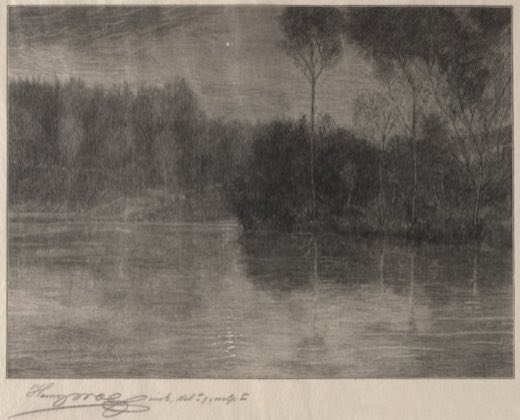 Cleveland Museum of Art · 1920.136The morning starWood engraving by Henry Wolf, 1903, “The Morning Star”: a single bright star over a river before dawn — usually the planet Venus.
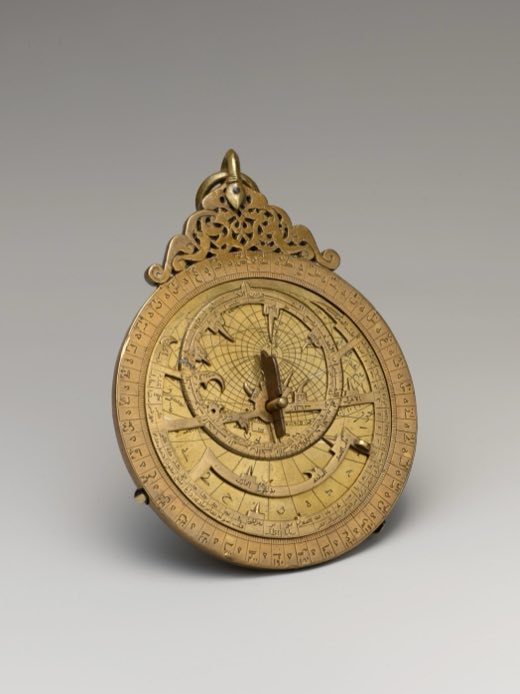 The Metropolitan Museum of Art, New York · 91.1.535a–hMazzarothBrass astrolabe made in Yemen in 1291 by the prince Umar ibn Yusuf, 15.6 cm. Its star map, the rete, carries the ring of the twelve signs of the…
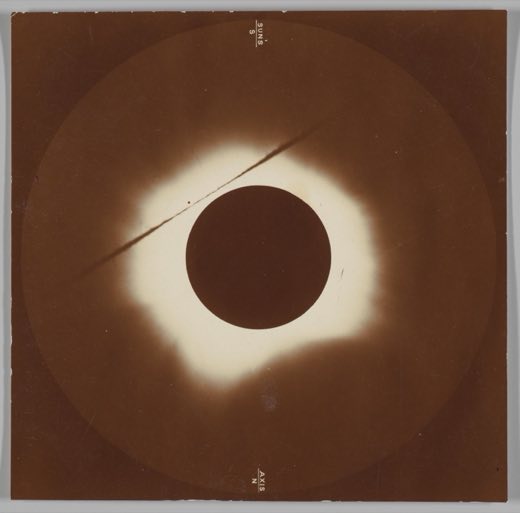 The Metropolitan Museum of Art, New York · 2018.382Eclipses and the darkened skyPhotograph of the total eclipse of the sun of May 6, 1883, from Caroline Island in the Pacific: the moon covers the sun, and its pale outer light…
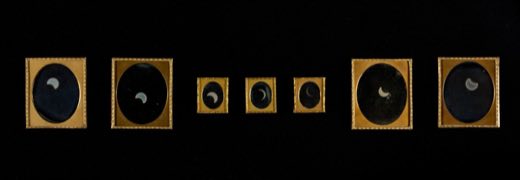 The Metropolitan Museum of Art, New York · 2005.100.614a–gEclipses and the darkened skyDaguerreotypes by William and Frederick Langenheim of the eclipse of the sun of 1854: the moon crossing the sun in seven stages, 3.2 to 7.2 cm.
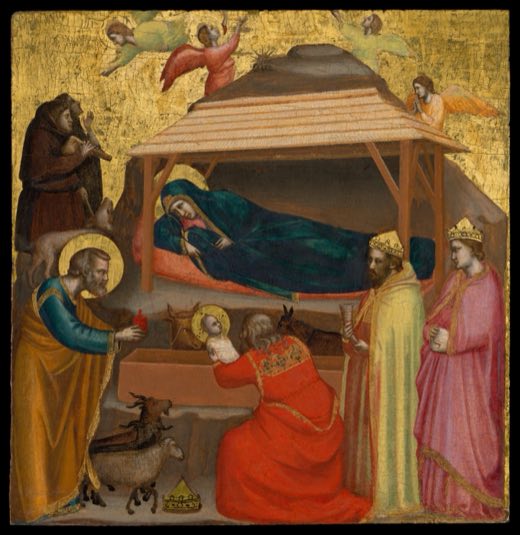 The Metropolitan Museum of Art, New York · 11.126.1The star of BethlehemPainting by Giotto, perhaps about 1320: the magi before the Child at Bethlehem, with the star above the stable — an artist’s picture, not of Bible…
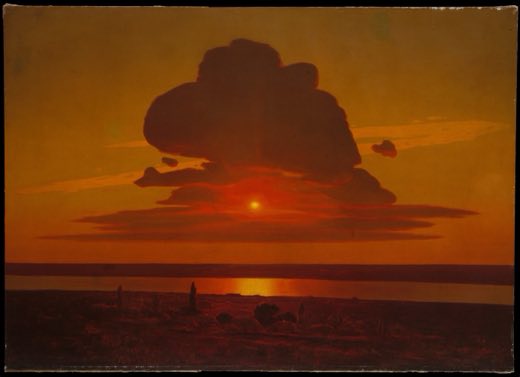 The Metropolitan Museum of Art, New York · 1974.100Red sky, east wind and rainPainting by Arkhip Kuindzhi, 1905–1908: a red sky at sunset over a river — the sign of fair weather in Matthew 16:2. A painting, not of the Bible…
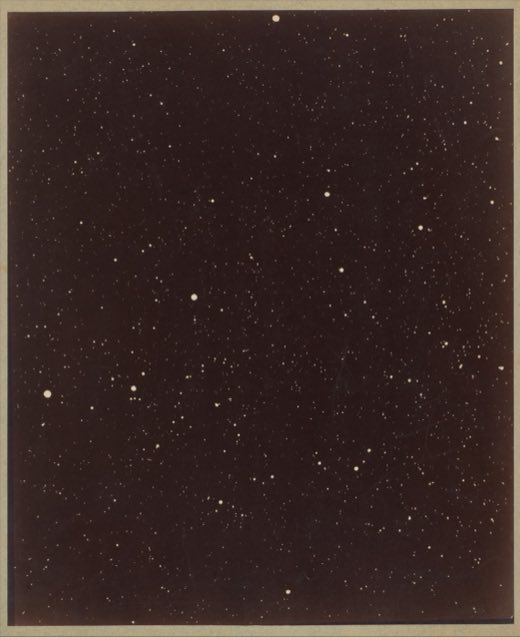 The Metropolitan Museum of Art, New York · 2005.100.124Stars without numberPhotograph of part of the constellation Cygnus by Paul and Prosper Henry, Paris, August 13, 1885: far more stars than the eye can see.
Photos of museum objects released by the museums as public domain / CC0 · encyclopedia; each object’s museum, number and licence beside it
Public domain (CC0)