Encyclopedia › How the Bible came to be
How the Bible came to be
The Masoretic Text
From Hebrew masorah, “tradition” · Tiberias, about AD 500–1000 · basis of modern Hebrew Bibles
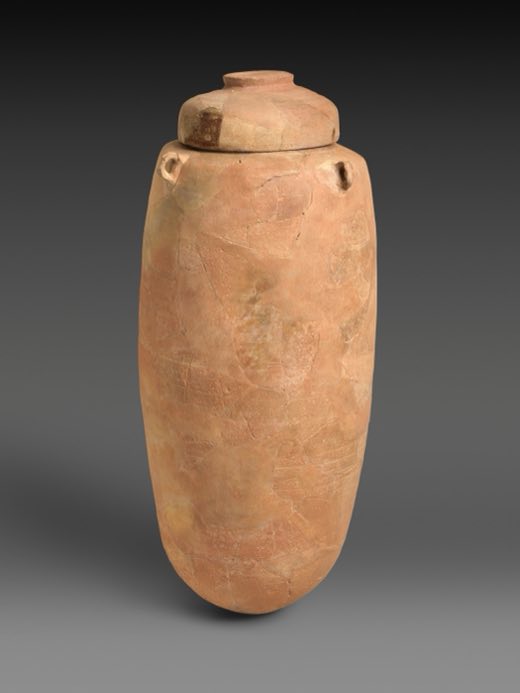
Hebrew was written with consonants only. For centuries scribes copied the books of the Hebrew Bible by hand, and to check their copies they counted the verses, words and letters of each book. By the early second century AD one form of the consonantal text had become standard among Jews; the Dead Sea Scrolls show that it goes back much earlier, and also that other forms of the text were in use beside it.
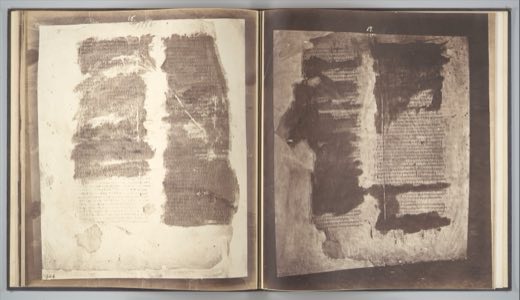
Between about AD 500 and 1000 Jewish scholars called the Masoretes, from masorah, “tradition”, worked chiefly at Tiberias on the Sea of Galilee. They added vowel points and accents to pass on the received reading, with notes in the margins. Where they thought a copyist had erred, they left the written word and noted what was to be read. Readers said Adonai, “Lord”, in place of God’s name YHWH, and the Masoretes wrote the vowels of Adonai with it — the origin of the form “Jehovah”. The Aleppo Codex, pointed by Aaron ben Asher in the 10th century, survived riots in 1947 only in part; the Leningrad Codex, copied in AD 1008, is the oldest complete Hebrew Bible manuscript and the base of today’s scholarly editions.
Key verses
When Moses had finished writing in a book the words of this law from beginning to end,When he is seated on his royal throne, he must write for himself a copy of this instruction on a scroll in the presence of the Levitical priests.“Take another scroll and rewrite on it the very words that were on the original scroll, which Jehoiakim king of Judah has burned.For I tell you truly, until heaven and earth pass away, not a single jot, not a stroke of a pen, will disappear from the Law until everything is accomplished.Sources
Adapted and shortened from the Tyndale Open Bible Dictionary · CC BY-SA 4.0
Tyndale Open Bible Dictionary © 2023 Tyndale House Publishers · CC BY-SA 4.0 — Masora*, Masoretes*; Bible*, Manuscripts and Text of the (Old Testament): Manuscripts with the Masoretic Text; Bible*, Manuscripts and Text of the (Old Testament): Important Dead Sea Scroll Manuscripts
Adapted from Tyndale Open Bible Dictionary: articles chosen, shortened and retold in our own words (history, nature and daily life only) and, in languages other than English, machine-translated. The original work by Tyndale House Publishers is available for free at tyndaleopenresources.com.