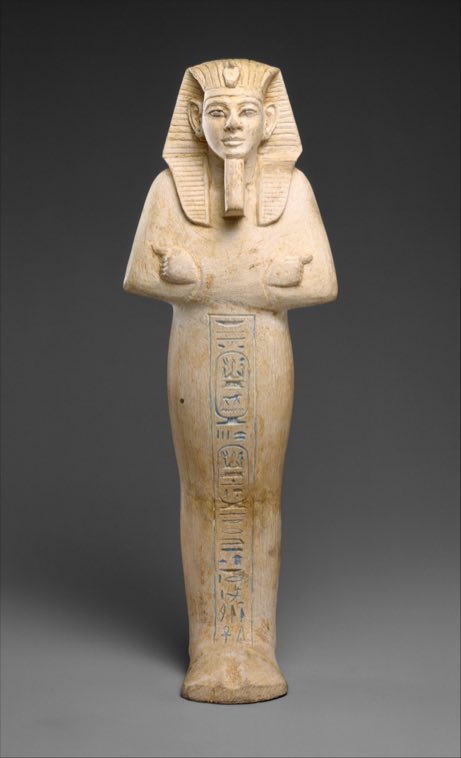
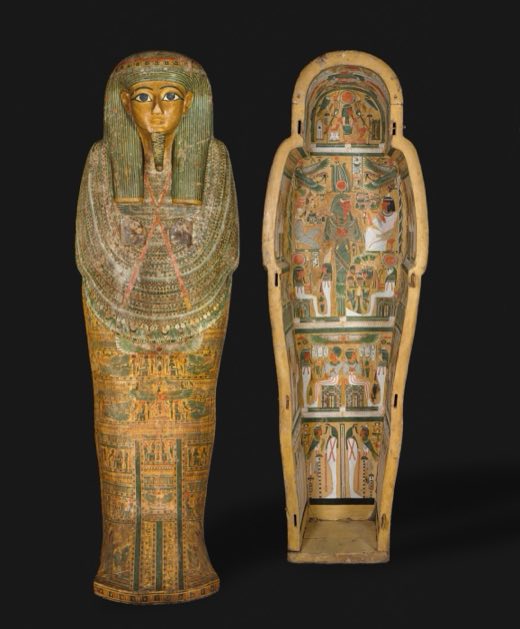
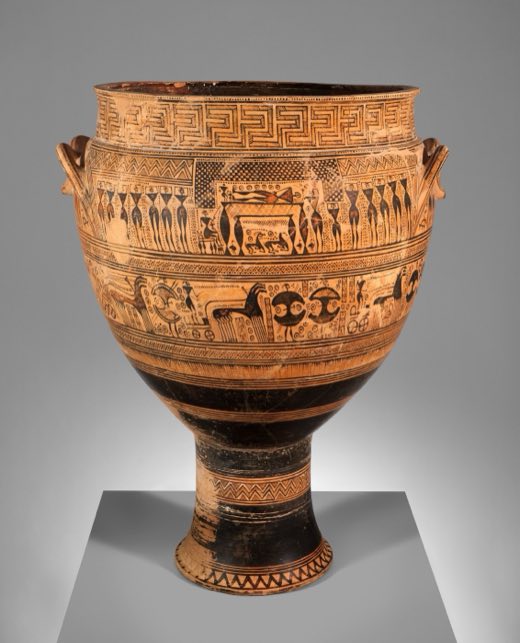
The Great Pyramid of Giza, built for Pharaoh Khufu, had already stood for some 500 years. Around 2000 BC Egypt was being reunited under the kings of the Middle Kingdom.
Encyclopedia › Meanwhile in the world
In the Bible · c. 2000 BC (traditional dating) · Shechem
Abram goes to Canaan
Called by God, Abram leaves Haran with Sarai and Lot. In Canaan he stops at Shechem, where God promises the land to his descendants.
Gen 12:1–9
Then the LORD said to Abram, “Leave your country, your kindred, and your father’s household, and go to the land I will show you. I will make you into a great nation, and I will bless you; I will make your name great, so that you will be a blessing. I will bless those who bless you and curse those who curse you; and all the families of the earth will be blessed through you.” So Abram departed, as the LORD had directed him, and Lot went with him. Abram was seventy-five years old when he left Haran. And Abram took his wife Sarai, his nephew Lot, and all the possessions and people they had acquired in Haran, and set out for the land of Canaan. When they came to the land of Canaan, Abram traveled through the land as far as the site of the Oak of Moreh at Shechem. And at that time the Canaanites were in the land. Then the LORD appeared to Abram and said, “I will give this land to your offspring.” So Abram built an altar there to the LORD, who had appeared to him. From there Abram moved on to the hill country east of Bethel and pitched his tent, with Bethel to the west and Ai to the east. There he built an altar to the LORD, and he called on the name of the LORD. And Abram journeyed on toward the Negev.At the same time in the world
By traditional dating, built on the Bible’s own figures, Abram set out for Canaan around 2000 BC. Many historians place the stories of the patriarchs more loosely in the first half of the second millennium BC, and some date them later. Here is the world of about 2000 BC.
EgyptThe pyramids were already oldc. 2560 BC
ElsewhereThe last mammothsuntil c. 2000 BC
On Wrangel Island in the Arctic Ocean, off north-eastern Siberia, a small population of woolly mammoths survived until about 4,000 years ago — long after the Great Pyramid was built, and close to Abram’s time by traditional dating.
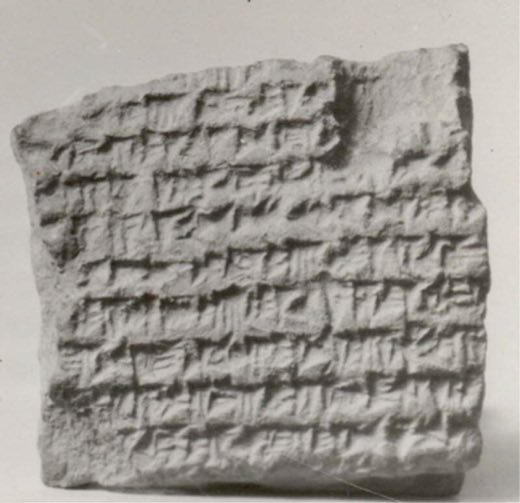
Mesopotamia and the Near EastUr and the first law codec. 2100–2050 BC
In Ur in southern Mesopotamia, King Ur-Nammu and his son built a great ziggurat, and the oldest law code known today was written there. Genesis names “Ur of the Chaldeans” as Abram’s first home; most scholars identify it with this city, some look for it further north.
IndiaCities of the Indusc. 2600–1900 BC
In the Indus valley, in today’s Pakistan and north-western India, cities such as Mohenjo-daro and Harappa had planned streets, brick houses and covered drains. Their script has still not been deciphered. Around 1900 BC the cities began to decline.
ChinaBefore the first dynastiesc. 1900–1500 BC
On the Yellow River, the people of the Erlitou culture built palaces and cast the first large bronze vessels. Chinese tradition speaks of a first dynasty, the Xia; whether Erlitou was the Xia is debated.
The AmericasPyramids in Peruc. 2600–2000 BC
At Caral in the Supe valley of Peru, one of the oldest cities of the Americas, people built stepped platform mounds and sunken plazas — in the same centuries as the pyramids of Egypt, with no contact between the two.
Eastern Europe and the steppeChariots of the steppec. 2100–1800 BC
In the southern Urals, in today’s Russia, the people of the Sintashta culture built round fortified settlements and buried their dead with chariots — the oldest known with spoked wheels.