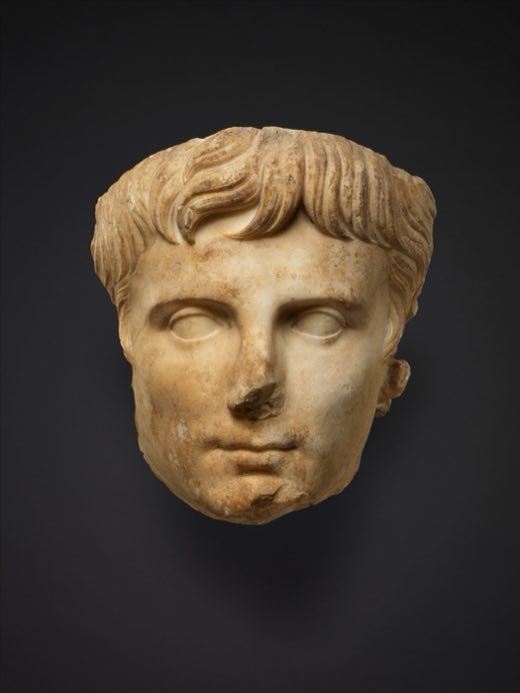
A fire burned for days and destroyed much of the city. The historian Tacitus writes that Nero blamed the Christians and had many of them put to death — the earliest known persecution of Christians by Rome.
Encyclopedia › Meanwhile in the world
In the Bible · c. AD 60–62 · Rome
Paul in Rome
After a shipwreck on Malta Paul reaches Rome, where he lives for two years under guard, receiving visitors.
Acts 28:11–31
After three months we set sail in an Alexandrian ship that had wintered in the island. It had the Twin Brothers as a figurehead. Putting in at Syracuse, we stayed there three days. From there we weighed anchor and came to Rhegium. After one day, a south wind came up, and on the second day we arrived at Puteoli. There we found some brothers who invited us to spend the week with them. And so we came to Rome. The brothers there had heard about us and traveled as far as the Forum of Appius and the Three Taverns to meet us. When Paul saw them, he was encouraged and gave thanks to God. When we arrived in Rome, Paul was permitted to stay by himself, with a soldier to guard him. After three days, he called together the leaders of the Jews. When they had gathered, he said to them, “Brothers, although I have done nothing against our people or the customs of our fathers, I was taken prisoner in Jerusalem and handed over to the Romans. They examined me and wanted to release me, because there was no basis for a death sentence against me. But when the Jews objected, I was compelled to appeal to Caesar, even though I have no charge to bring against my nation. So for this reason I have called to see you and speak with you. It is because of the hope of Israel that I am bound with this chain.” The leaders replied, “We have not received any letters about you from Judea, nor have any of the brothers from there reported or even mentioned anything bad about you. But we consider your views worth hearing, because we know that people everywhere are speaking against this sect.” So they set a day to meet with Paul, and many people came to the place he was staying. He expounded to them from morning to evening, testifying about the kingdom of God and persuading them about Jesus from the Law of Moses and the Prophets. Some of them were convinced by what he said, but others refused to believe. They disagreed among themselves and began to leave after Paul had made this final statement: “The Holy Spirit was right when He spoke to your fathers through Isaiah the prophet: ‘Go to this people and say, “You will be ever hearing but never understanding; you will be ever seeing but never perceiving.” For this people’s heart has grown callous; they hardly hear with their ears, and they have closed their eyes. Otherwise they might see with their eyes, hear with their ears, understand with their hearts, and turn, and I would heal them.’ Be advised, therefore, that God’s salvation has been sent to the Gentiles, and they will listen!” Paul stayed there two full years in his own rented house, welcoming all who came to visit him. Boldly and freely he proclaimed the kingdom of God and taught about the Lord Jesus Christ.At the same time in the world
Acts ends with Paul under guard in Rome for two years, around AD 60–62, teaching openly in a rented house (Acts 28:30–31). The emperor was Nero. Here is the world of the 60s AD.
Greece and RomeThe Great Fire of RomeJuly AD 64
Greece and RomeBoudica’s revoltAD 60/61
In Britain, Queen Boudica of the Iceni led a great revolt and burned Londinium — the young Roman town that became London — before the Romans defeated her.
EgyptHero’s steam enginec. AD 62
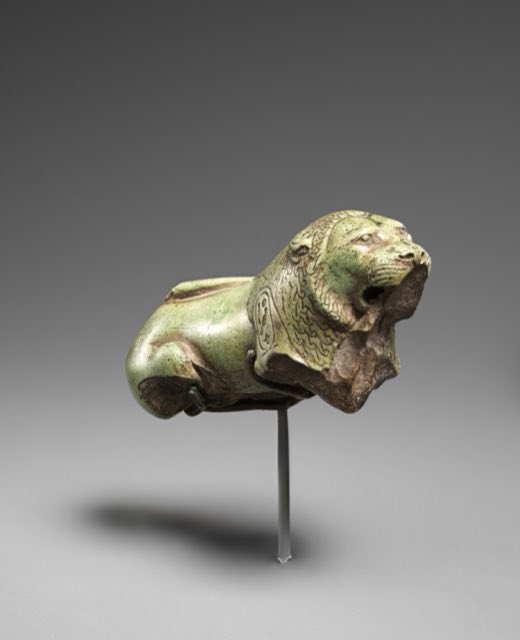
In Alexandria the engineer Hero described a ball spun by steam and machines worked by air and water. He is usually dated by a lunar eclipse he mentions, which matches one in AD 62.
ChinaBuddhism reaches ChinaAD 68 (by tradition)
By Chinese tradition, the Han emperor Ming dreamed of a golden figure and sent envoys west. They came back with Buddhist monks and texts, and the White Horse Temple was built for them at Luoyang — the first Buddhist temple in China.
IndiaThe Kushan Empirefrom c. AD 30
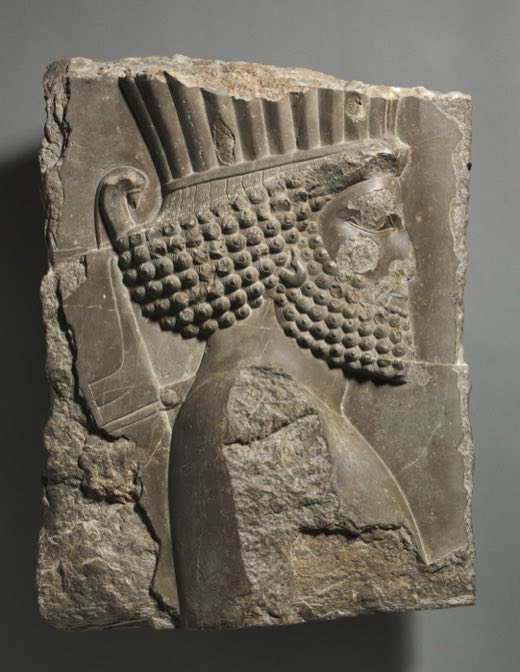
Kushan kings from Central Asia built an empire across today’s Afghanistan, Pakistan and northern India. Their lands lay on the routes that linked Rome, India and China.
Eastern Europe and the steppeAndrew on the Dnieper (tradition)tradition written down c. AD 1110
The Kyivan Primary Chronicle, compiled around 1110, tells that the apostle Andrew sailed up the Dnieper, set up a cross on the hills where Kyiv would stand and foretold a great city there. Historians see this as a legend; an older tradition gives Andrew Scythia as his mission field.