Encyclopedia › How the Bible came to be
How the Bible came to be
Scrolls, papyrus and parchment
Greek byblos (papyrus pith) gave biblion, “book” · scrolls often about 9 m long
People in the Bible’s world wrote on many surfaces: clay tablets pressed with a stylus in Mesopotamia, wooden tablets coated with wax, like the one Zechariah asked for (Luke 1:63), and broken pottery, the cheapest of all — letters on potsherds have been found at Lachish and Samaria. For longer texts there was papyrus, made in Egypt since the early third millennium BC from strips of the pith of a reed, laid crosswise and pressed into sheets. The Greeks called the pith byblos, which gave biblion, “book”, and the English word “Bible”; “paper” comes from “papyrus”.
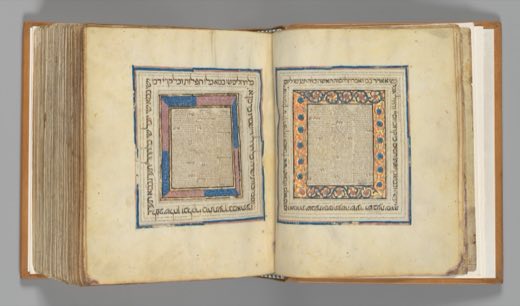
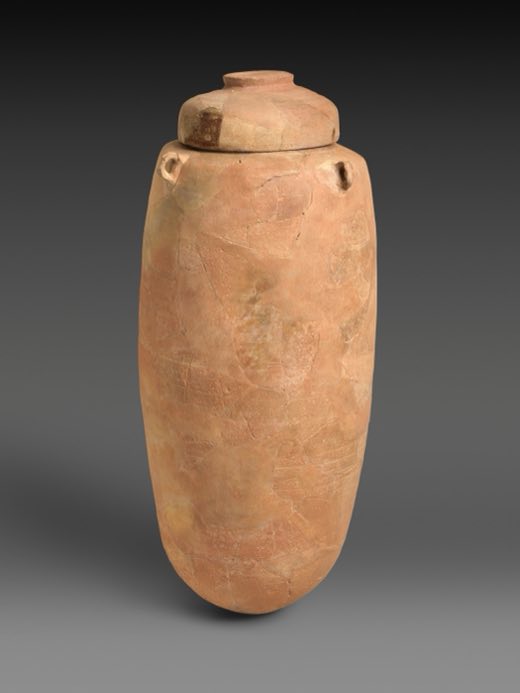
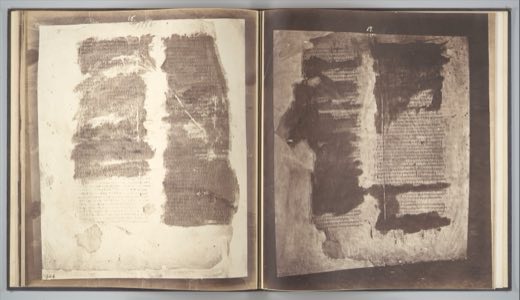
Papyrus lasts only in very dry places, such as the sands of Egypt and the caves by the Dead Sea. Jewish scribes copied the books of the Hebrew Bible on leather. Parchment, skin with the hair scraped off and rubbed smooth, came into use from about the third century BC; the finest kind, vellum, was made from calf, lamb or kid skin. Sheets were sewn into a scroll, often about 9 meters long, and read column by column. The pen was a cut reed, the ink mostly soot mixed with gum, and a knife trimmed both pens and scrolls.
Key verses
I wish that my words were recorded and inscribed in a book, by an iron stylus on lead, or chiseled in stone forever.Zechariah asked for a tablet and wrote, “His name is John.” And they were all amazed.which He unrolled before me. And written on the front and back of it were words of lamentation, mourning, and woe.And as soon as Jehudi had read three or four columns, Jehoiakim would cut them off with a scribe’s knife and throw them into the firepot, until the entire scroll had been consumed by the fire.I have many things to write to you, but I would prefer not to do so with pen and ink.Sources
Adapted and shortened from the Tyndale Open Bible Dictionary · CC BY-SA 4.0
Tyndale Open Bible Dictionary © 2023 Tyndale House Publishers · CC BY-SA 4.0 — Writing: Clay; Writing: Papyrus; Writing: Potsherds; Writing: Wood; Writing: Leather, Parchment, and Vellum; Writing: Scroll; Writing: Writing Utensils and Ink; Bible*, Manuscripts and Text of the (New Testament): Important Papyrus Manuscripts
Adapted from Tyndale Open Bible Dictionary: articles chosen, shortened and retold in our own words (history, nature and daily life only) and, in languages other than English, machine-translated. The original work by Tyndale House Publishers is available for free at tyndaleopenresources.com.