Encyclopedia › Languages of the Bible
Encyclopedia
Languages of the Bible
Hebrew, Aramaic, Greek and Latin: how the Bible’s languages worked and were written, the words that passed untranslated into the world’s languages, the wordplay lost in translation, and the dictionaries that help readers find the original word.
Hebrew and Aramaic
- Biblical HebrewA Canaanite language of the Semitic family · close to Phoenician and Moabite · spoken again today
- How Hebrew worksWords built on roots of three consonants · the verb usually first · clauses joined by “and”
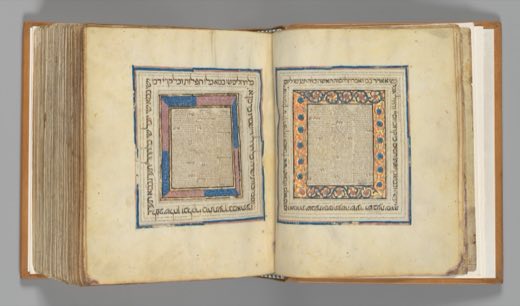 Consonants and vowel pointsHebrew letters are consonants · vowel letters yod, waw, he · vowel points added about AD 500–1000
- Aramaic in the Old TestamentEzra 4:8–6:18 and 7:12–26 · Daniel 2:4–7:28 · Jeremiah 10:11 · two words in Genesis 31:47
- Aramaic words in the New TestamentTalitha koum · Ephphatha · Eloi, Eloi, lema sabachthani · Abba · Marana tha · Akeldama
Greek and Latin
- Hebrew turns of phrase in Greek“And it came to pass” · “son of peace” · “answered and said” · doubled words for force
- Greek words the Bible spreadangelos, apostolos, euangelion, Christos, ekklēsia, apokalypsis, biblia
- How the books got their namesHebrew names: the first words (Bereshit, “In the beginning”) · Greek names: the contents (Genesis, Exodus)
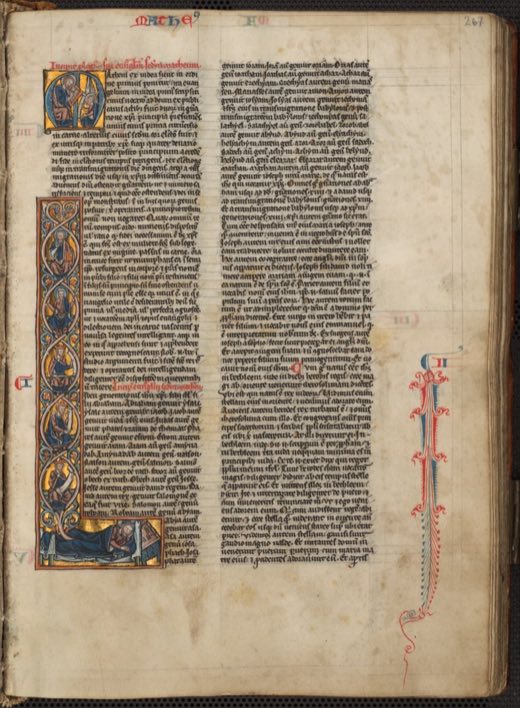 Latin words that stayed: Calvary, INRI, Ecce homoCalvaria, “skull” · INRI · Ecce homo · Noli me tangere · Magnificat · Nunc dimittis
Letters and scripts
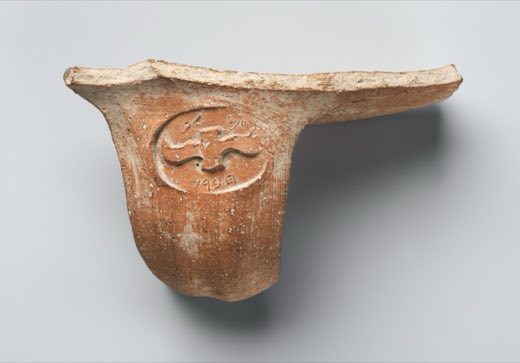 The old Hebrew scriptA form of the Phoenician letters · Gezer calendar, Siloam inscription, seals · kept by the Samaritans
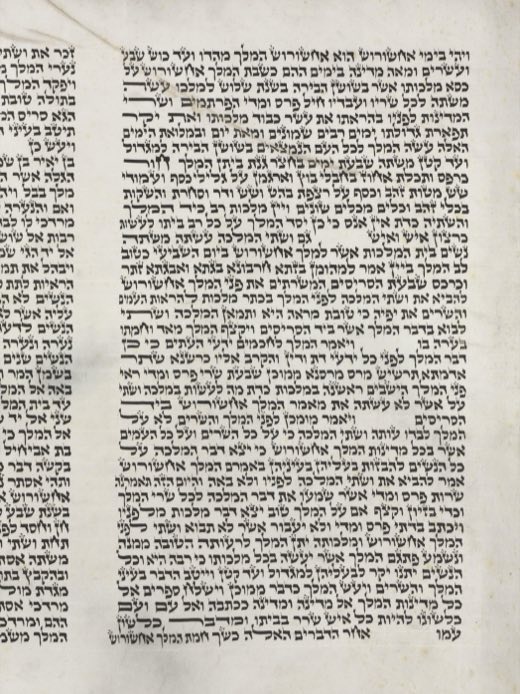 The square scriptAramaic letters taken up after the exile · five final forms · the Hebrew letters printed today
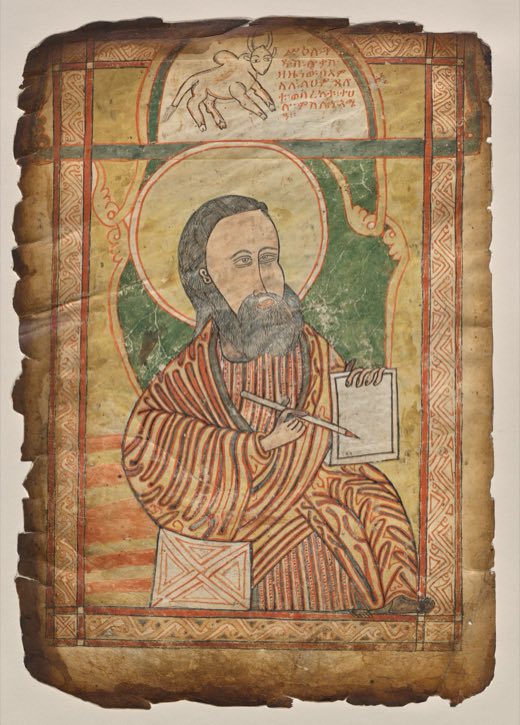 Right to left, left to rightHebrew, Aramaic, Syriac, Arabic: right to left · Greek, Latin, Slavonic, Ge’ez: left to right
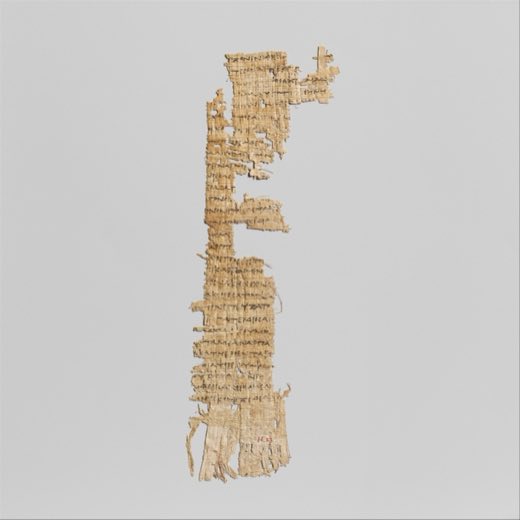 How the first Greek Bibles lookedCapitals without spaces · nomina sacra, the holy names shortened · accents added later
Languages of the nations
- Babel and the many languagesGenesis 10–11 · “one language” · nations “according to their languages”
- The languages of Israel’s neighborsMoabite and Phoenician close to Hebrew · Egyptian and Akkadian far · Lycaonian at Lystra
- Interpreters and translatorsJoseph’s interpreter · letters “in Aramaic and then translated” · the Targums
- Pentecost and the gift of tonguesActs 2 · “each of us hears them in his own native language” · tongues in Corinth
Names and titles
- The name of God: YHWH, the LORD, I AMFour letters, YHWH · read Adonai, “Lord” · printed LORD · El, Elohim, El Shaddai
- Messiah and Christ: the Anointed OneHebrew mashiach, Greek Christos, “anointed” · kings, priests and Cyrus · “first called Christians at Antioch”
- Rabbi, Rabboni and Master: how Jesus was addressedRabbi, “my great one” → “Teacher” · Rabboni · Lord · Son of David
- Names the New Testament translatesImmanuel, “God with us” · Siloam, “Sent” · Tabitha, Dorcas · Melchizedek · Saul, also called Paul
Words and dictionaries
- Hebrew words in every languageamen, hallelujah, hosanna, sabbath, manna, jubilee, cherub, Satan, selah
- Wordplay that works only in Hebrewadam and adamah · ish and ishshah · qayits and qets · shaqed and shoqed
- Egyptian, Persian and Greek words in the Old TestamentEgyptian: Pharaoh, ye’or (the Nile) · Persian: pardes, dat, satrap · Greek: instruments in Daniel 3
- Sheol, Hades and Gehenna: words for the realm of the deadHebrew she’ol · Greek hadēs · Gehenna from the Valley of Hinnom · Abaddon, “destruction”
- Concordances, dictionaries and Strong’s numbersFirst concordance about 1230 · Cruden 1737 · Strong 1890: 8,674 Hebrew and 5,624 Greek numbers