Encyclopedia › Languages of the Bible
Languages of the Bible
Babel and the many languages
Genesis 10–11 · “one language” · nations “according to their languages”
Genesis explains the many languages of the world twice. The table of nations in Genesis 10 lists the descendants of Noah’s sons spreading out “according to their languages, by clans within their nations” (Genesis 10:5). Then Genesis 11 tells how it came about. “Now the whole world had one language and a common form of speech” (Genesis 11:1). In the plain of Shinar people made bricks, used tar for mortar and set out to build “a city with a tower that reaches to the heavens, that we may make a name for ourselves and not be scattered” (Genesis 11:4). The LORD came down and said, “Come, let Us go down and confuse their language, so that they will not understand one another’s speech” (Genesis 11:7). They stopped building and were scattered.
The name is explained by a Hebrew pun: Babel sounds like balal, “to confuse” (Genesis 11:9). Many scholars connect the tower with the great stepped temple towers of Mesopotamia, such as Etemenanki in Babylon. Jewish tradition counted seventy nations in Genesis 10, and so seventy languages. The prophets looked forward to the reverse — “I will restore pure lips to the peoples, that all may call upon the name of the LORD” (Zephaniah 3:9) — and Revelation sees a crowd “from every nation and tribe and people and tongue” before the throne (Revelation 7:9).
In art
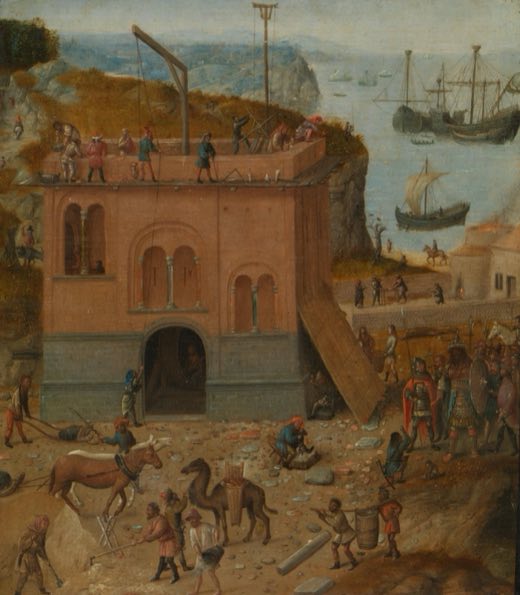 The Tower of BabelUnknown painter, Bruges
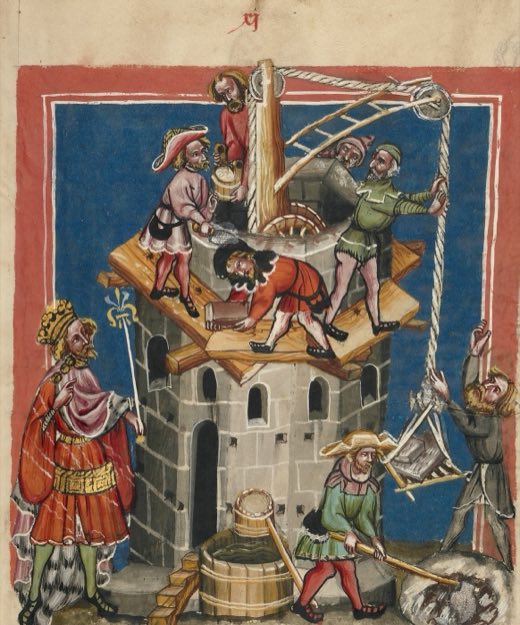 The Construction of the Tower of Babel (Ms. 33, fol. 13, from the Weltchronik)Unknown painter, Regensburg
See also
- Wordplay that works only in HebrewLanguages of the Bible
- Babylon: the city of NebuchadnezzarCities of the Bible
- Bricks, mortar and plasterBuildings and structures
- Temples of other godsTabernacle and temple
- Pentecost and the gift of tonguesLanguages of the Bible
- PrideThe seven deadly sins
- The table of nationsPeoples and gods around Israel
- BabelPlaces
Sources: Tyndale Open Bible Dictionary © 2023 Tyndale House Publishers, CC BY-SA 4.0 — adapted and shortened; the original work is available for free at tyndaleopenresources.com · Sources and rights