Encyclopedia › Languages of the Bible
Languages of the Bible
How the books got their names
Hebrew names: the first words (Bereshit, “In the beginning”) · Greek names: the contents (Genesis, Exodus)
In the Hebrew Bible the books of the Law are named after their first words. Genesis is Bereshit, “In the beginning”; Exodus is Shemot, “Names”, from “These are the names of the sons of Israel” (Exodus 1:1); Leviticus is Vayikra, “And He called”; Numbers is Bemidbar, “In the wilderness”; Deuteronomy is Devarim, “Words”.
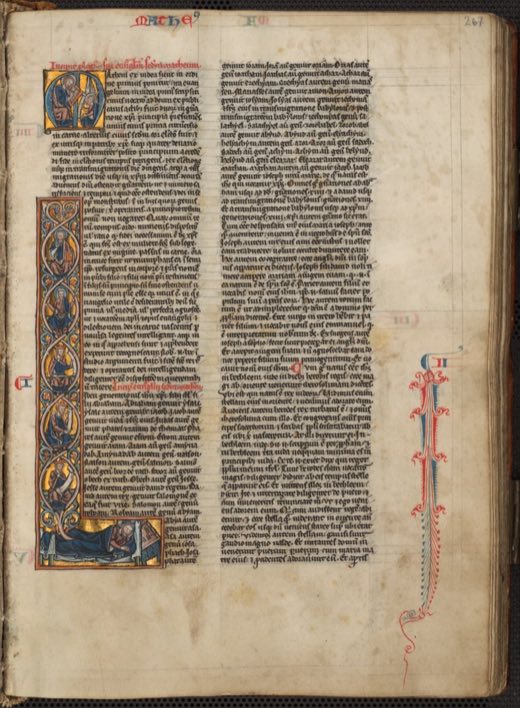
The Greek translators of the Septuagint named books after their contents, and through Latin these names reached most languages. Genesis means “origin”, Exodus “going out”, Leviticus is the book of the Levites and Numbers — in Greek Arithmoi — the book of the counts of the people. Deuteronomy, “second law”, comes from the Greek wording of Deuteronomy 17:18, where the king is to write himself a copy of the law. Psalms comes from psalmos, a song sung to plucked strings; Luke already speaks of “the book of Psalms” (Luke 20:42). Ecclesiastes renders the Hebrew Qohelet, “one who gathers an assembly”. The titles of the Gospels, such as “According to Matthew”, were added by early copyists; most letters are named after the people they were sent to, and Revelation after its first word.
See also
- The SeptuagintHow the Bible came to be
- How the Bible is arrangedHow the Bible came to be
- Greek words the Bible spreadLanguages of the Bible
- Enuma Elish, the Babylonian creation poemAncient texts beside the Bible
Sources: Tyndale Open Bible Dictionary © 2023 Tyndale House Publishers, CC BY-SA 4.0 — adapted and shortened; the original work is available for free at tyndaleopenresources.com · Sources and rights