Encyclopedia › Languages of the Bible
Languages of the Bible
Names the New Testament translates
Immanuel, “God with us” · Siloam, “Sent” · Tabitha, Dorcas · Melchizedek · Saul, also called Paul
The New Testament was written for Greek readers, and its writers often stop to explain a Hebrew or Aramaic name. Matthew quotes Isaiah’s prophecy of a son called Immanuel “(which means, ‘God with us’)” (Matthew 1:23). John tells of the blind man sent to wash in “the Pool of Siloam” (which means “Sent”) (John 9:7). Luke introduces a disciple at Joppa “named Tabitha (which is translated as Dorcas)” (Acts 9:36): both names mean “gazelle”, one in Aramaic and one in Greek. Hebrews explains Melchizedek: “his name means ‘king of righteousness.’ Then also, ‘king of Salem’ means ‘king of peace’” (Hebrews 7:2).
Some names are explained as titles. The magician of Cyprus, Bar-Jesus, is called “Elymas the sorcerer (for that is what his name means)” (Acts 13:8). John gives the Aramaic of a place: Pilate sat “at a place called the Stone Pavement, which in Hebrew is Gabbatha” (John 19:13). Many Jews of the time had two names, one Semitic and one Greek or Latin: “Joseph called Barsabbas (also known as Justus)” (Acts 1:23), John Mark, and “Saul, who was also called Paul” (Acts 13:9) — from then on Luke calls him only Paul, the Roman name, as he travels among Gentiles.
In art
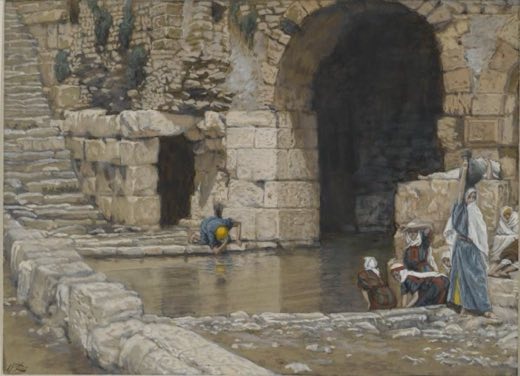 The Blind Man Washes in the Pool of Siloam (Le aveugle-né se lave à la piscine de Siloë)James Tissot
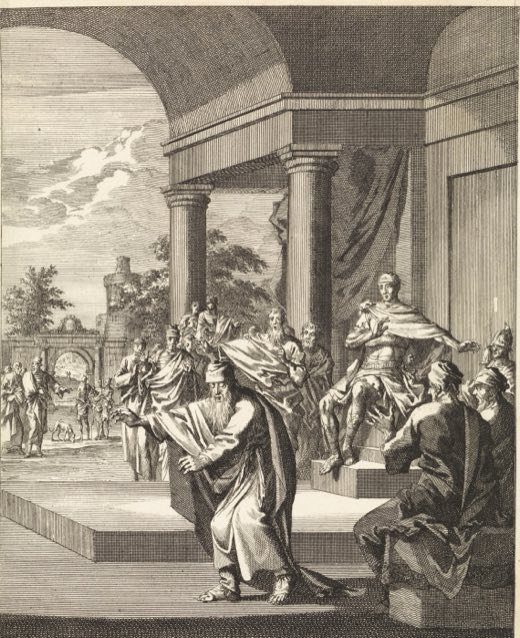 Elymas Struck BlindJan Luyken
See also
- What a name saidHuman life in Bible times
- “Son of …” and “of Nazareth”: how people were calledHuman life in Bible times
- New namesHuman life in Bible times
- Aramaic words in the New TestamentLanguages of the Bible
- Rabbi, Rabboni and Master: how Jesus was addressedLanguages of the Bible
- What Greek and Latin names meantThe Greek world of Paul
- DorcasPeople
- MelchizedekPeople
- PaulPeople
- SiloamPlaces
Sources: Tyndale Open Bible Dictionary © 2023 Tyndale House Publishers, CC BY-SA 4.0 — adapted and shortened; the original work is available for free at tyndaleopenresources.com · Sources and rights