Encyclopedia › Languages of the Bible
Languages of the Bible
Right to left, left to right
Hebrew, Aramaic, Syriac, Arabic: right to left · Greek, Latin, Slavonic, Ge’ez: left to right
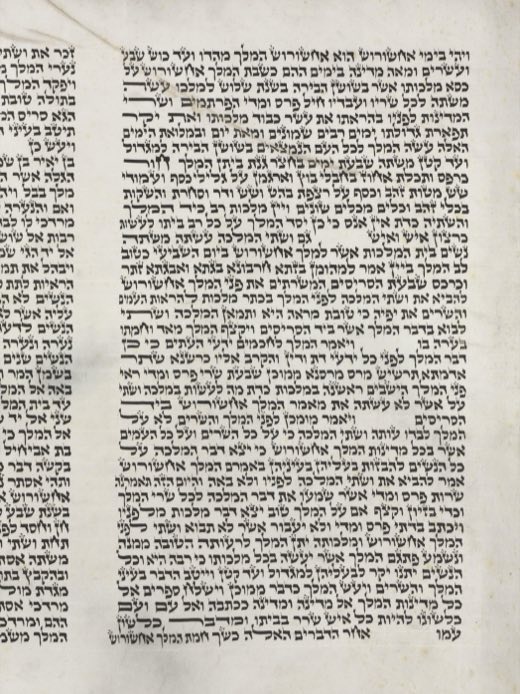
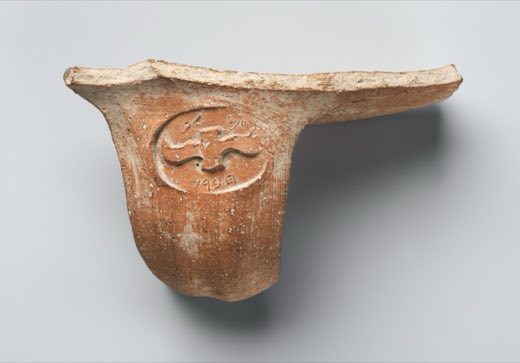
The Phoenicians wrote from right to left, and so did the peoples of the east who took up their alphabet: the Hebrews and the Arameans, and later the Syriac and Arabic scribes. A Hebrew book therefore opens from what a European reader would call the back, and a Hebrew scroll is rolled with its beginning on the right.
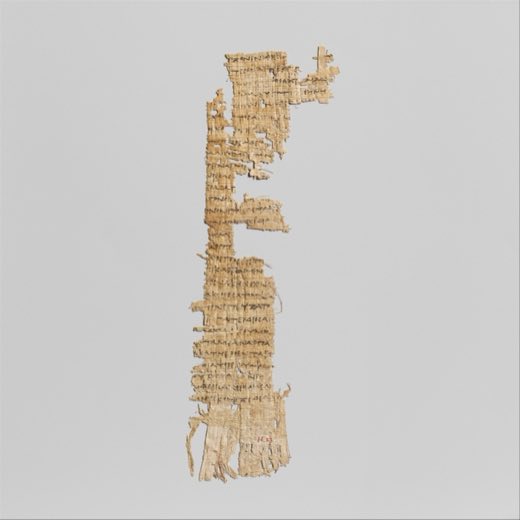
The first Greek writers copied the Phoenician direction, then for a time wrote boustrophedon, “as the ox turns” when ploughing — one line from right to left, the next from left to right — and by about 500 BC they had settled on left to right. The alphabets later shaped after the Greek — Latin, Coptic, Gothic, Armenian and Slavonic — followed it. Ge’ez in Ethiopia, which grew out of a South Arabian script, also came to be written from left to right. So Bibles of the world open in two ways. The words written on the wall of Belshazzar’s palace, “mene, mene, tekel, parsin” (Daniel 5:25), are Aramaic, and Aramaic was written from right to left; why the king’s wise men could not read them, the text does not say.
In art
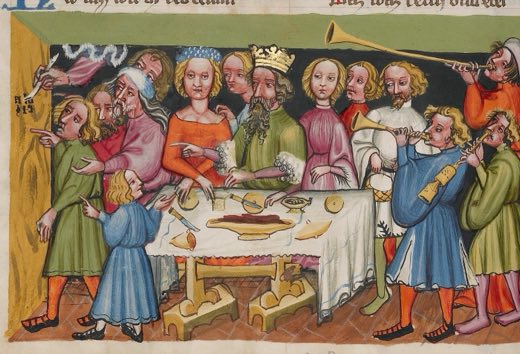 The Writing on the Wall at Belshazzar's Feast (Ms. 33, fol. 214v, from the Weltchronik)
Key verses
Now this is the inscription that was written: MENE, MENE, TEKEL, PARSIN.Then the LORD answered me: “Write down this vision and clearly inscribe it on tablets, so that a herald may run with it.Then the LORD said to me, “Take a large scroll and write on it with an ordinary stylus: Maher-shalal-hash-baz.See also
- The alphabetWriting and books
- The writing on the wallBible expressions we still use
- The old Hebrew scriptLanguages of the Bible
- How the first Greek Bibles lookedLanguages of the Bible
- Wulfila and the Gothic BibleHow the Bible was translated around the world
- The Ethiopic Bible in Ge’ezHow the Bible was translated around the world
Sources: Tyndale Open Bible Dictionary © 2023 Tyndale House Publishers, CC BY-SA 4.0 — adapted and shortened; the original work is available for free at tyndaleopenresources.com · Sources and rights