Encyclopedia › How the Bible’s world is studied
Encyclopedia
How the Bible’s world is studied
How scholars learn about the world of the Bible: dating layers by pottery, radiocarbon and coins; reading forgotten scripts; pollen, seeds and bones of the land long ago; the health, food and clothes of ordinary people; and today’s tools — surveys, satellites, imaging of faded ink and the patient comparing of manuscripts.
Dating the past
- Digging by layersWhat lies higher is later · Petrie at Tell el-Hesi, 1890 · squares, balks and loci
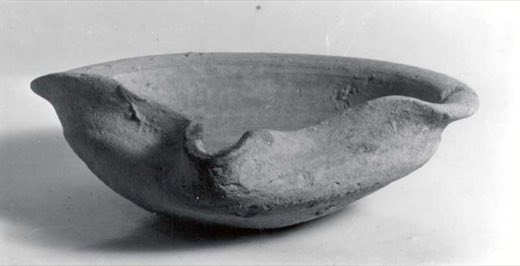 Potsherds as a clockSherds are the commonest find · shapes change from age to age · Albright at Tell Beit Mirsim
- Radiocarbon datingCarbon-14 halves in about 5,730 years · Willard Libby, late 1940s · results are ranges
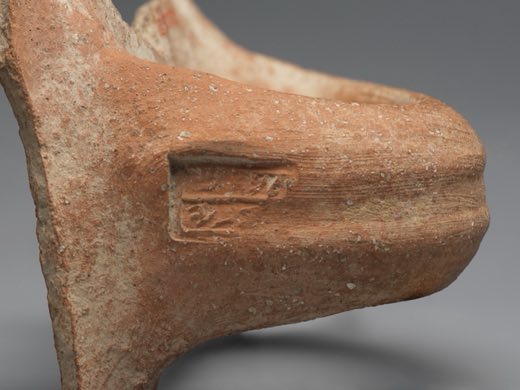 Fixed points: kings, coins and stamped handlesLachish burned in 701 BC · a coin under a floor dates the floor · royal jar stamps
- Burnt clay and the earth’s magnetismHeated clay keeps a record of the magnetic field · used to date destruction layers
- The eclipse of 763 BC and the dates of the kingsThe Assyrian eponym list · a solar eclipse in Simanu · Ahab at Qarqar · Thiele
- Tree ringsOne ring a year · the calibration curve · olive wood has no clear rings
- David and Solomon in archaeology: the tenth-century debateLow chronology and conventional chronology · Khirbet Qeiyafa · the Tel Dan stele · radiocarbon on both sides
Forgotten scripts
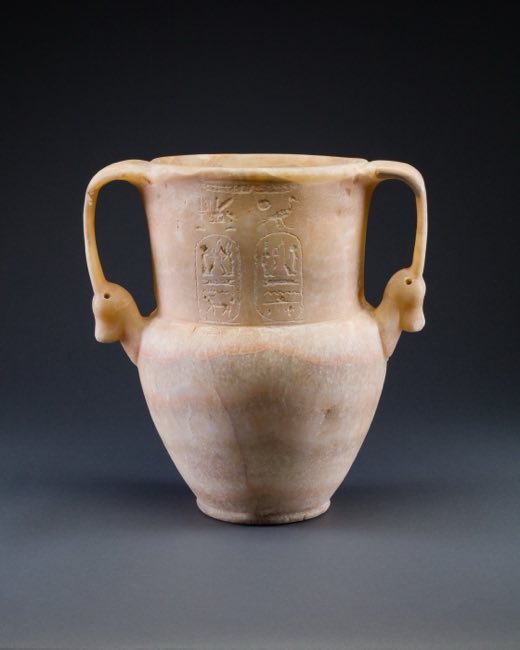 The Rosetta Stone and the reading of hieroglyphsFound 1799 near Rashid · a decree of 196 BC in three scripts · Champollion, 1822
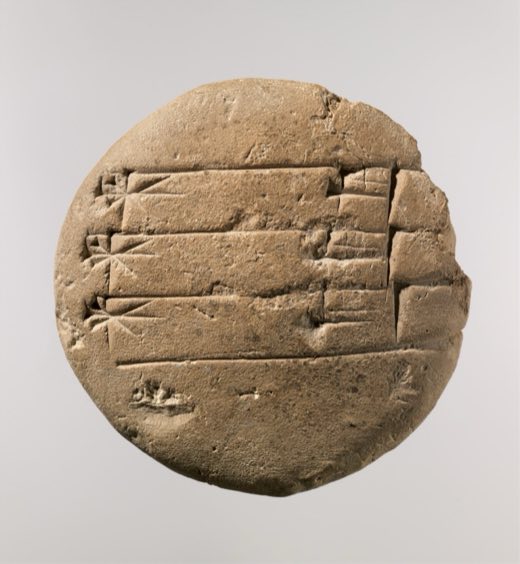 Behistun and the reading of cuneiformDarius I’s rock inscription, about 520 BC · three languages · the test of 1857
- How the Hittites were rediscoveredHattusa in central Turkey, tablets from 1906 · Hrozný reads Hittite, 1915
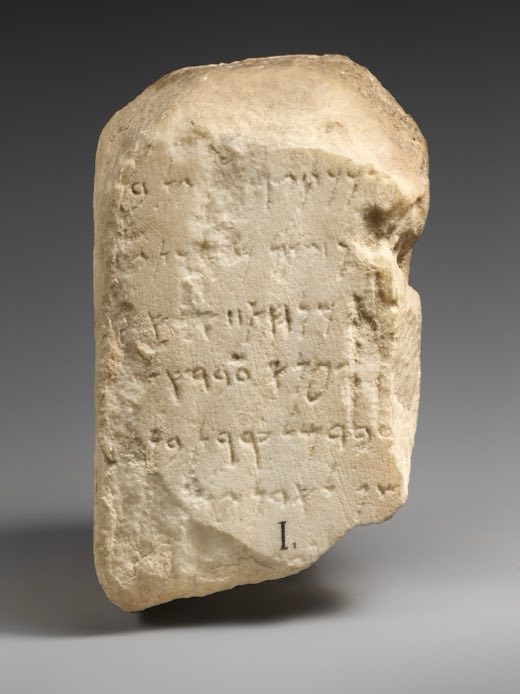 How the first alphabets were readPhoenician read in 1758 · Gardiner and the Sinai inscriptions, 1916 · Ugaritic, 1930
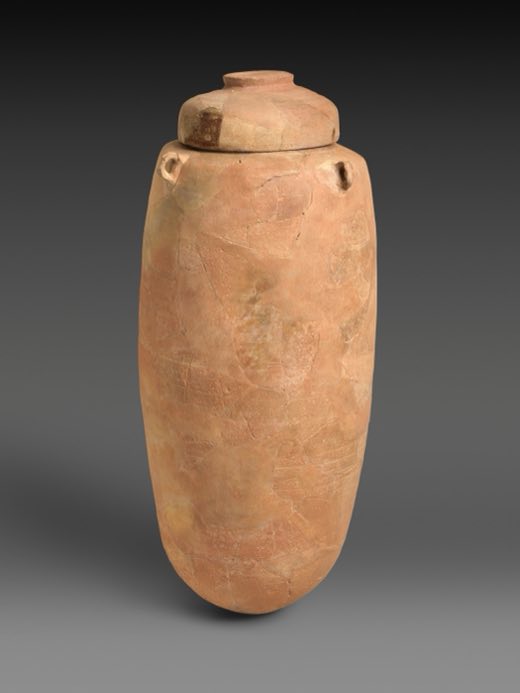 Putting the Dead Sea Scrolls back togetherCave 4: thousands of pieces of some 500 manuscripts · infrared photographs · DNA of the skins
- Dating by handwritingLetter forms change over time · dated papyri as anchors · the Dead Sea Scrolls and Greek papyri
The land long ago
- Reading the climate of the pastCave stalagmites, Dead Sea shorelines and lake mud · a drier time about 1200 BC
- Pollen in the lake mudEach plant has its own pollen · cores from the Sea of Galilee and the Dead Sea
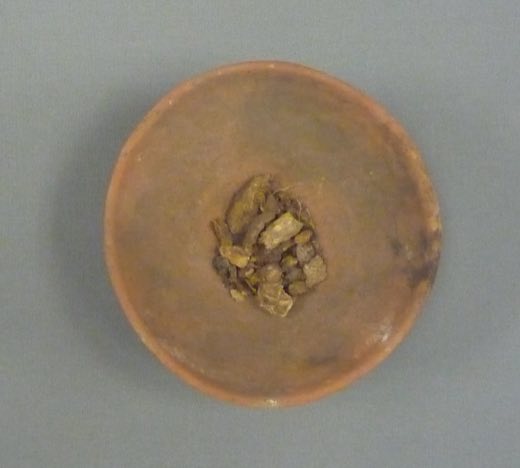 Seeds, charcoal and the Masada date palmCharred seeds float when soil is poured into water · a 2,000-year-old seed sprouted in 2005
- What animal bones tellSheep and goats in most villages · few pigs in the hills · Nile perch in Jerusalem
- Ancient DNA of plants and animalsDNA survives in short pieces · 6,000-year-old barley from Yoram Cave · Judean date palms
- Tracing metals to their minesLead isotopes as a fingerprint · copper from the Arabah · silver from Sardinia and Iberia · Tarshish
- Earthquakes in the groundTilted walls and fallen columns · layers of disturbed mud in the Dead Sea · Amos’s earthquake
How people lived
- What skeletons tellAge, height, work and illness · teeth worn by grit from millstones · many deaths in childhood
- Isotopes: what people ate and where they grew upCarbon and nitrogen in bone show diet · strontium in tooth enamel shows the place of childhood
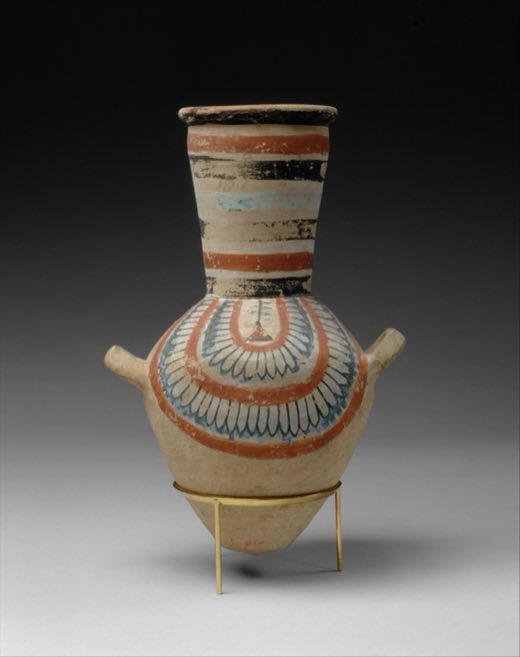 What was in the jars: residues in potteryTraces soak into unglazed clay · wine at Tel Kabri · cinnamon and vanilla from afar
- Toilets and parasitesStone toilet seats of the 7th century BC · eggs of intestinal worms in the soil beneath
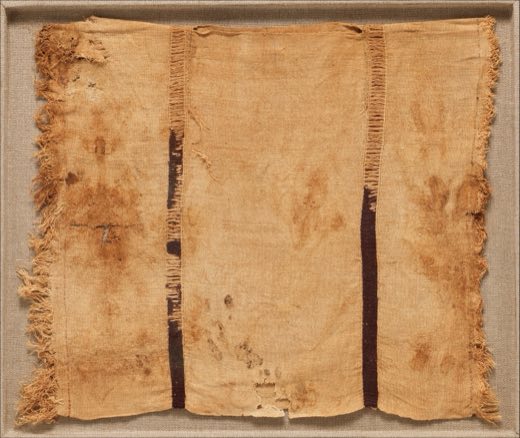 Threads under the microscopeDyes identified by chemistry · murex purple at Timna, about 1000 BC · wool and linen kept apart
- Ancient DNA of people: Canaanites and PhilistinesBronze Age Canaanites, 2020 · the Philistines of Ashkelon, 2019 · a few dozen people
Tools of today
- How a biblical place is identifiedOld names kept in Arabic · Robinson and Smith, 1838 · an inscription naming the place
- Walking the land: surveysSurvey of Western Palestine, 1871–1877 · 26 map sheets · sherds collected field by field
- From the air and from spaceAerial photographs of 1917–1918 · spy-satellite images released in 1995 · radar below ground
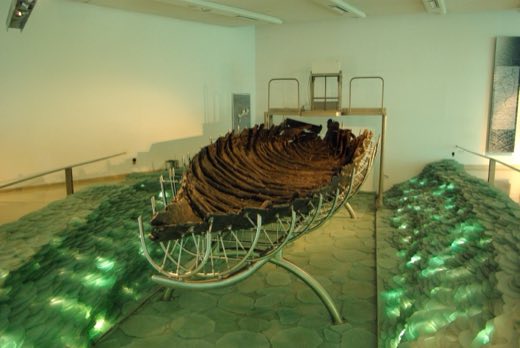 Archaeology under waterHerod’s harbor at Caesarea · the Galilee boat, 1986 · two Phoenician wrecks some 400 m deep
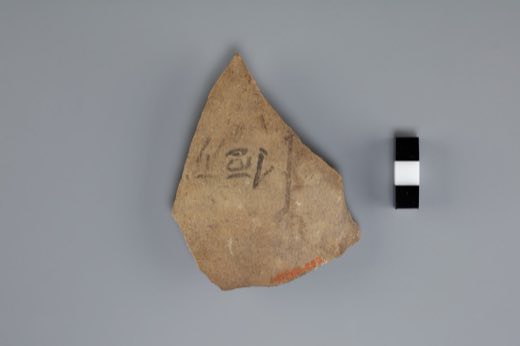 Seeing faded inkInfrared and many-band photography · writing the eye cannot see · erased texts under later ones
- The En-Gedi scroll: reading without unrollingFound 1970 in a burnt synagogue · scanned in 2015 · the opening of Leviticus
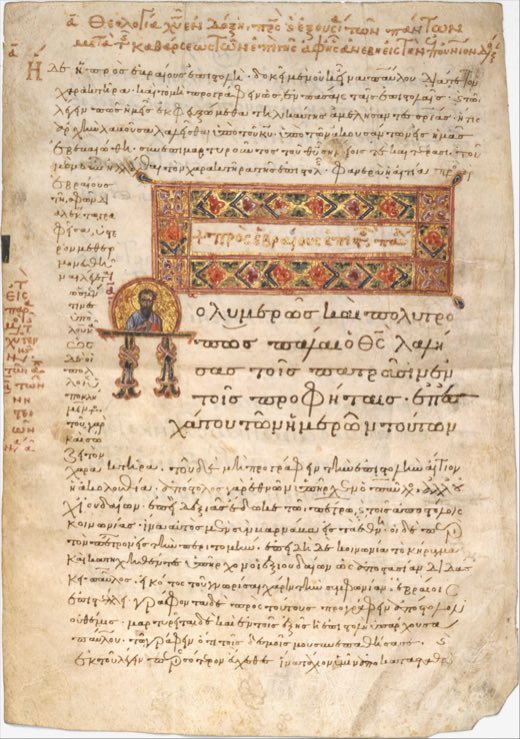 Comparing manuscriptsTextual criticism · thousands of Greek manuscripts of the New Testament · the Isaiah scroll
- Forgeries and how they are caughtShapira’s strips, 1883 · sixteen fake scroll fragments, 2020 · where was it found?
- Sifting the soil of the Temple MountSoil removed in 1999 · sifted with water since 2004 · finds without layers
- Doing it the ancient wayRebuilding to understand · a replica of the Galilee boat · beer from ancient yeast
- Biblical archaeology and its debatesEdward Robinson, 1838 · Albright’s «biblical archaeology» · minimalists and maximalists · a field still…