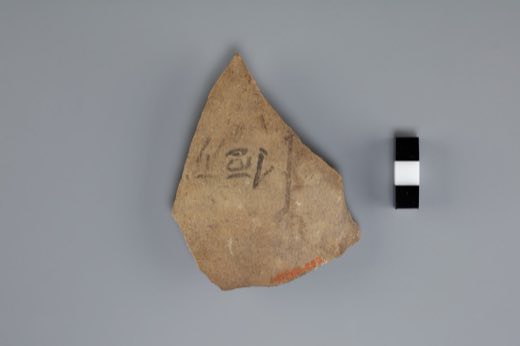
Encyclopedia › How the Bible’s world is studied
How the Bible’s world is studied
Comparing manuscripts
Textual criticism · thousands of Greek manuscripts of the New Testament · the Isaiah scroll
Before printing, every copy of the Scriptures was written by hand. Scribes worked with great care — the king himself was to “write for himself a copy of this instruction on a scroll” (Deuteronomy 17:18) — yet any copyist can skip a line, especially when two lines end with the same words, confuse letters that look alike, or take a note from the margin into the text. Textual criticism is the discipline that gathers the manuscripts, compares them word by word and asks how each difference arose, so as to establish the text as it was first written. It began in earnest with the scholars of the Renaissance and has grown with every great discovery.
For the New Testament there are more than five thousand Greek manuscripts, from small papyrus fragments of the 2nd century to the great codices of the 4th and thousands of later copies, besides early translations and quotations by ancient writers. For the Old Testament, the Masoretic text of the Middle Ages can now be set beside the Dead Sea Scrolls, a thousand years older: the great Isaiah scroll from Qumran agrees with it in the vast majority of its words, most differences being spelling, while some other scrolls have forms of the text known from the Septuagint. Scholars differ on many single readings and on method, and printed editions of the Hebrew and Greek text show the variants in notes beneath it. “The word of our God stands forever” (Isaiah 40:8).
In art
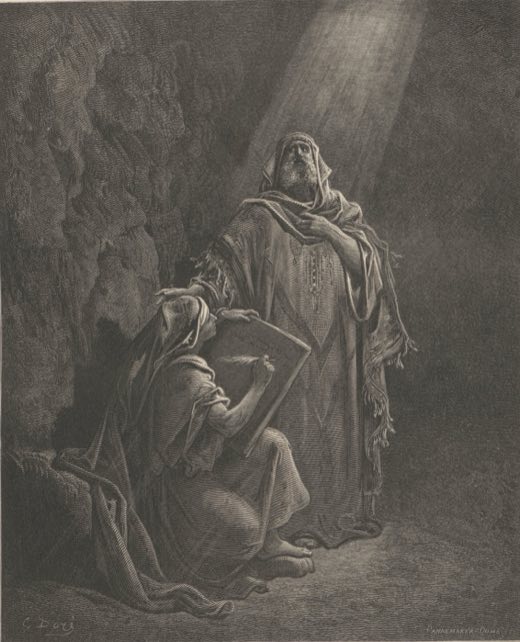 Baruch Writes Jeremiah's Prophecies
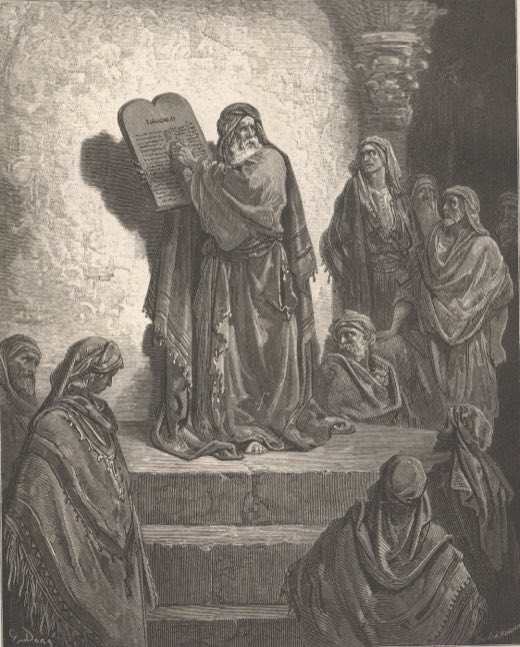 Ezra Reads the Law to the People
Key verses
When he is seated on his royal throne, he must write for himself a copy of this instruction on a scroll in the presence of the Levitical priests.You must not add to or subtract from what I command you, so that you may keep the commandments of the LORD your God that I am giving you.Then Jeremiah took another scroll and gave it to the scribe Baruch son of Neriah, and at Jeremiah’s dictation he wrote on it all the words of the scroll that Jehoiakim king of Judah had burned in the fire. And many similar words were added to them.The grass withers and the flowers fall, but the word of our God stands forever.”See also
- The Masoretic TextHow the Bible came to be
- The great codicesHow the Bible came to be
- The Dead Sea ScrollsHow the Bible came to be
- The SeptuagintHow the Bible came to be
- The Chester Beatty and Bodmer papyriHow the Bible came to be
- The Aleppo and Leningrad codicesHow the Bible came to be
- Bible manuscriptsExplore · Gospel books copied and painted by hand from the 9th to the 17th century — Armenian, Greek, Ethiopian, Arabic and Latin. Turn the pages and zoom in.
Sources: Tyndale Open Bible Dictionary © 2023 Tyndale House Publishers, CC BY-SA 4.0 — adapted and shortened; the original work is available for free at tyndaleopenresources.com · Sources and rights