Encyclopedia › How the Bible’s world is studied
How the Bible’s world is studied
Dating by handwriting
Letter forms change over time · dated papyri as anchors · the Dead Sea Scrolls and Greek papyri
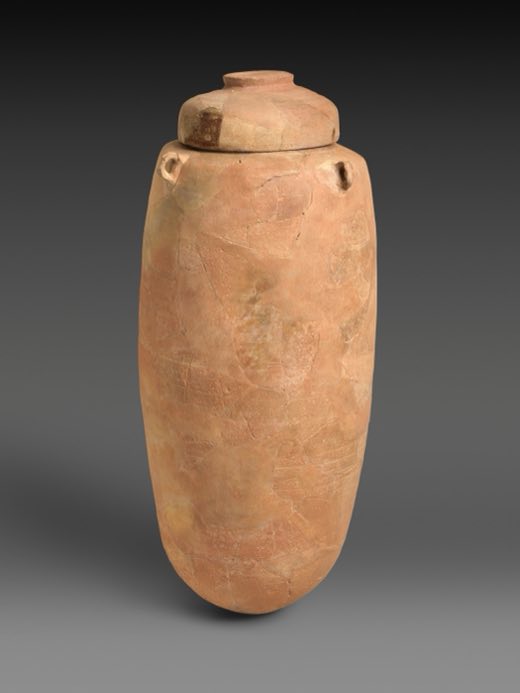
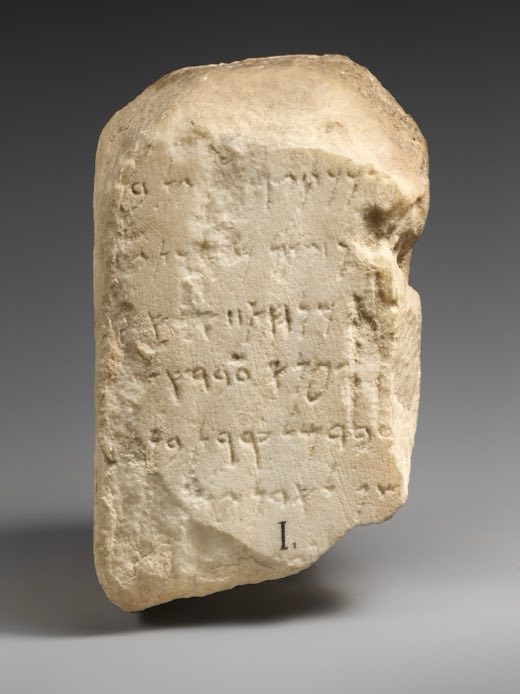
Handwriting changes from generation to generation: letters lean, lose strokes, gain hooks, and scribes trained in one school write alike. Palaeography, the study of old scripts, uses this to date manuscripts that carry no date. It needs anchors: documents whose dates are known, such as contracts that name the year of a king. For the Hebrew and Aramaic scripts the anchors include the Elephantine papyri of the 5th century BC, the Samaria papyri of the 4th century BC found in a cave in Wadi Daliyeh, and the letters and contracts of the Bar Kokhba revolt. In 1961 Frank Moore Cross set out a sequence of the scripts of the Dead Sea Scrolls, and radiocarbon tests in the 1990s broadly agreed with it.
For the Greek manuscripts of the New Testament the anchors are thousands of dated papyri from Egypt — letters, receipts and contracts — with which the hand of a Gospel fragment can be compared. Such dates are usually given within a range of about fifty years, and scholars argue over particular cases, such as the John Rylands fragment of John. The writers of the letters were aware of handwriting too: Tertius, who wrote Romans, greets the readers (Romans 16:22), and Paul ends a letter, “This greeting is in my own hand—Paul. This is my mark in every letter; it is the way I write” (2 Thessalonians 3:17).
See also
- The square scriptLanguages of the Bible
- The John Rylands fragmentHow the Bible came to be
- The Elephantine papyriAncient texts beside the Bible
- The Dead Sea ScrollsHow the Bible came to be
- The Chester Beatty and Bodmer papyriHow the Bible came to be
- Pen, ink and writing caseWriting and books
Sources: Tyndale Open Bible Dictionary © 2023 Tyndale House Publishers, CC BY-SA 4.0 — adapted and shortened; the original work is available for free at tyndaleopenresources.com · Sources and rights