Encyclopedia › How the Bible’s world is studied
How the Bible’s world is studied
How the Hittites were rediscovered
Hattusa in central Turkey, tablets from 1906 · Hrozný reads Hittite, 1915
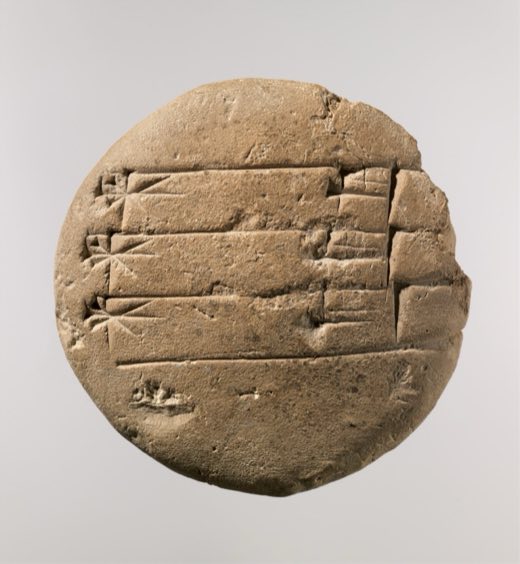
The Bible often names the Hittites: Ephron the Hittite sold Abraham the cave of Machpelah (Genesis 23:10), Uriah the Hittite served David (2 Samuel 11:3), and Solomon’s traders sold chariots and horses “to all the kings of the Hittites” (1 Kings 10:29). For a long time little else was known of them. In the 19th century scholars linked them with strange hieroglyphic inscriptions in Syria and Turkey and with a great power that Egyptian texts call Kheta. In 1906–1907 Hugo Winckler dug at Boğazköy in central Turkey and found thousands of clay tablets: this was Hattusa, capital of a Hittite empire of the 2nd millennium BC. Some were in Akkadian, which could be read, but most were in an unknown language written in cuneiform.
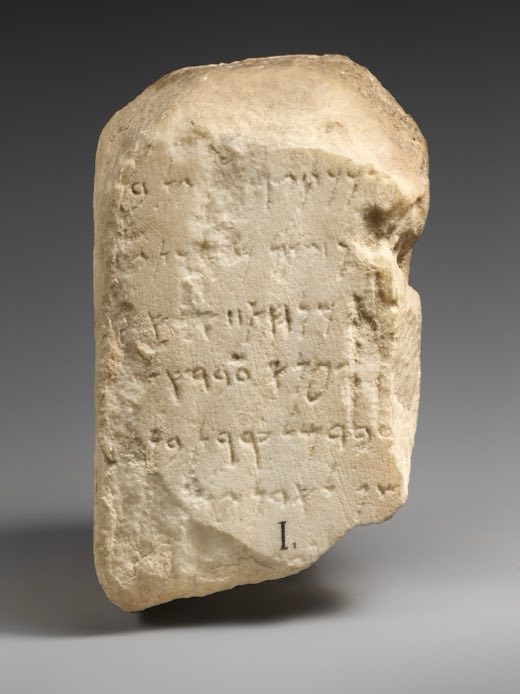
In 1915 the Czech scholar Bedřich Hrozný read a sentence in which, next to the known sign for bread, stood words that sounded like “eat” and “water” in European languages, and he showed that Hittite is an Indo-European language, the oldest of that family known in writing; his book followed in 1917. The hieroglyphs, which write a related language, Luwian, were read later, helped by a long text in both Luwian hieroglyphs and Phoenician found at Karatepe in 1946. Scholars still differ on how the Hittites of Canaan in Genesis are related to the empire in Anatolia; the “kings of the Hittites” in the days of the kings of Israel ruled small states of northern Syria, such as Carchemish and Hamath, after the empire fell about 1180 BC.
See also
- HittitesPeoples and gods around Israel
- Behistun and the reading of cuneiformHow the Bible’s world is studied
- UriahPeople
Sources: Tyndale Open Bible Dictionary © 2023 Tyndale House Publishers, CC BY-SA 4.0 — adapted and shortened; the original work is available for free at tyndaleopenresources.com · Sources and rights