Encyclopedia › How the Bible’s world is studied
How the Bible’s world is studied
Ancient DNA of plants and animals
DNA survives in short pieces · 6,000-year-old barley from Yoram Cave · Judean date palms
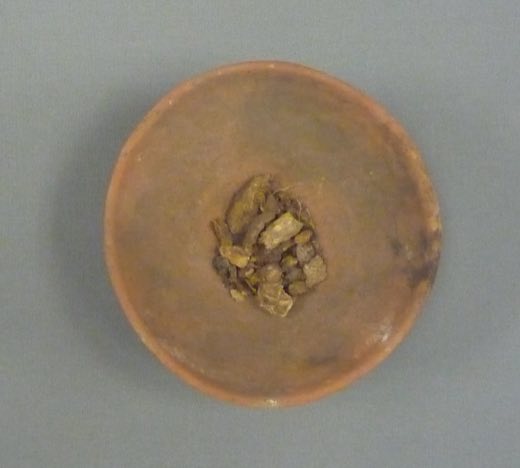
DNA breaks down after death, but in dry caves and other sealed places short pieces of it can survive for thousands of years, and laboratories can now read them. In plants and animals they show which kinds people grew and kept, and where those came from. In Yoram Cave, high in a cliff near Masada, archaeologists found barley grains about 6,000 years old; in 2016 their genome was read, and they turned out to be close kin of the barley still grown in the southern Levant — a crop that has kept its line here for thousands of years. Barley ripened first, and Naomi and Ruth came to Bethlehem “at the beginning of the barley harvest” (Ruth 1:22).
The palms grown from ancient date seeds of Masada, Qumran and other caves of the Judean Desert had their genomes read in 2020; their ancestry turned out to be mixed, partly from date palms of the east, like those of Mesopotamia, and partly from a wild palm of Crete and southwestern Turkey. DNA from the parchment of the Dead Sea Scrolls has shown which animals gave their skins. Other studies follow how the sheep, the goat and the donkey were tamed and spread across the ancient world. The field is young, samples are few, and results are often revised as new ones come in. In Genesis the earth brings forth “seed-bearing plants according to their kinds” (Genesis 1:12).
See also
- Seeds, charcoal and the Masada date palmHow the Bible’s world is studied
- Putting the Dead Sea Scrolls back togetherHow the Bible’s world is studied
- Wheat and barleyPlants of the Bible
- Ancient DNA of people: Canaanites and PhilistinesHow the Bible’s world is studied
Sources: Tyndale Open Bible Dictionary © 2023 Tyndale House Publishers, CC BY-SA 4.0 — adapted and shortened; the original work is available for free at tyndaleopenresources.com · Sources and rights