Encyclopedia › The seven deadly sins
The seven deadly sins
Envy
Latin invidia · Greek phthonos · set against it: kindness
Envy is sorrow at another’s good — wanting it taken from him, not only wanting it for oneself. “A tranquil heart is life to the body, but envy rots the bones,” says Proverbs 14:30, and Matthew tells that Pilate “knew it was out of envy that they had handed Jesus over to him” (Matthew 27:18). Later tradition saw envy in Cain, who “became very angry” when his brother’s offering was accepted and his was not (Genesis 4:5); in Joseph’s brothers, who “were jealous of him” (Genesis 37:11) and sold him to traders bound for Egypt; and in King Saul, who heard the women sing of David’s tens of thousands, and “from that day forward Saul kept a jealous eye on David” (1 Samuel 18:9).
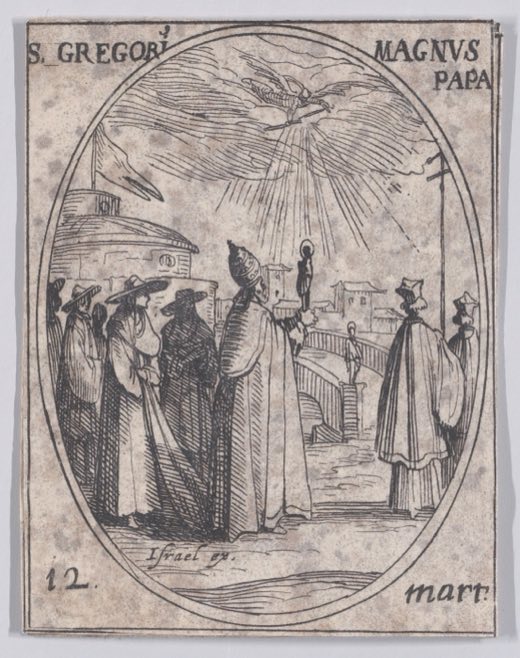
Envy was not among the eight thoughts of Evagrius; Gregory the Great added it to the list. The Book of Wisdom, found in Orthodox and Catholic Bibles, says that death entered the world through the devil’s envy. Later lists set kindness against it. On Dante’s second terrace the envious sit, unable to see, like blind beggars in coarse cloaks, leaning on one another. Artists gave Envy a snake, or a heart she gnaws.
Key verses
but He had no regard for Cain and his offering. So Cain became very angry, and his countenance fell.And his brothers were jealous of him, but his father kept in mind what he had said.And Saul was furious and resented this song. “They have ascribed tens of thousands to David,” he said, “but only thousands to me. What more can he have but the kingdom?” And from that day forward Saul kept a jealous eye on David.For he knew it was out of envy that they had handed Jesus over to him.Love is patient, love is kind. It does not envy, it does not boast, it is not proud.All verses on this topic
Sources
Adapted and shortened from the Tyndale Open Bible Dictionary · CC BY-SA 4.0
Tyndale Open Bible Dictionary © 2023 Tyndale House Publishers · CC BY-SA 4.0 — Cain (Person); Joseph; Saul; Kindness; Gregory the Great, Moralia in Job 31.45 (c. 578–595); Dante Alighieri, Purgatorio, cantos 10–27 (c. 1308–1320)
Adapted from Tyndale Open Bible Dictionary: articles chosen, shortened and retold in our own words (history, nature and daily life only) and, in languages other than English, machine-translated. The original work by Tyndale House Publishers is available for free at tyndaleopenresources.com.