Encyclopedia › Field, orchard and water
Encyclopedia
Field, orchard and water
The farmer’s year beyond the plow and the threshing floor: sowing and gleaning, reapers and the joy of harvest, firstfruits, the vintage and the olive press, figs and young trees — and the water of everyday life: wells, cisterns, irrigation, aqueducts, ritual baths and washing.
The field
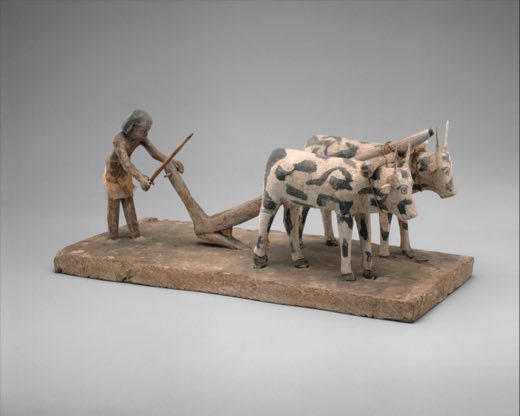 Sowing and the sowerHebrew zara‘ (to sow), zera‘ (seed) · Greek speirō · from the autumn rains through the winter
- Clearing the field: stones, thorns and terracesForest and scrub cleared · stones gathered into walls · hillsides terraced with field stone
- Fallow ground, manure and ashesThe seventh year’s rest · dung mostly burned as fuel · manure for gardens and trees
- Gleaning: the edges of the field for the poorHebrew leqet (gleanings), pe’ah (corner) · for the poor, the foreigner, the fatherless and the widow
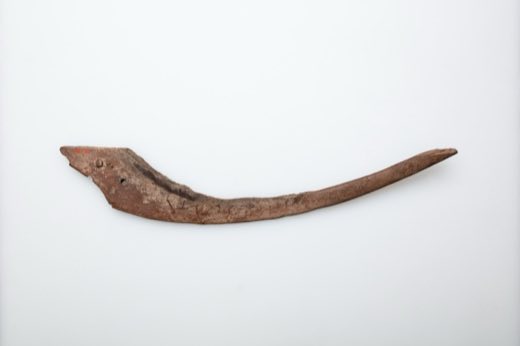 Reapers and hired workersThe household and hired hands · paid each day before sunset · a denarius for a day’s work
- The joy of harvestBarley and wheat, April to June · rain at harvest a disaster · songs in the fields
- Firstfruits and tithes of the harvestHebrew bikkurim (firstfruits), ma‘aser (tithe) · a basket brought to the sanctuary
Orchard and vineyard
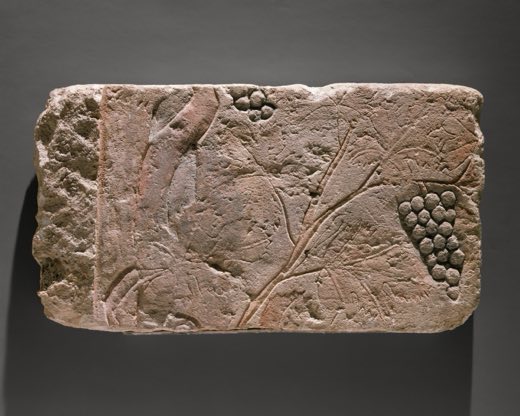 Work in the vineyard: hedges, pruning and watchmenHebrew kerem (vineyard), zamar (to prune) · a wall or hedge, a hut or tower
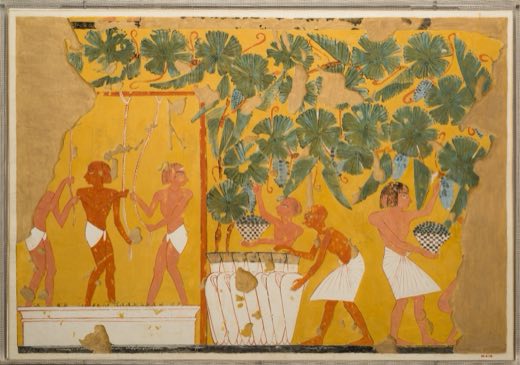 The grape harvestLate summer, before the autumn feast · baskets to the press · songs and shouts
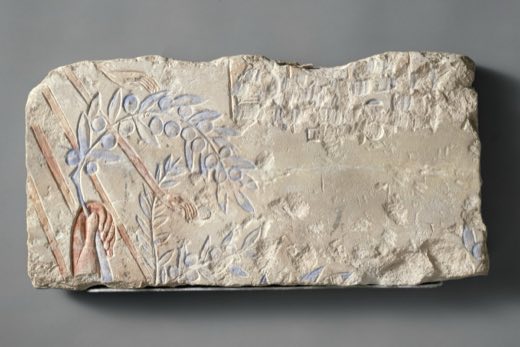 The olive harvestFrom October, after the first rains · beaten from the branches · the last crop of the year
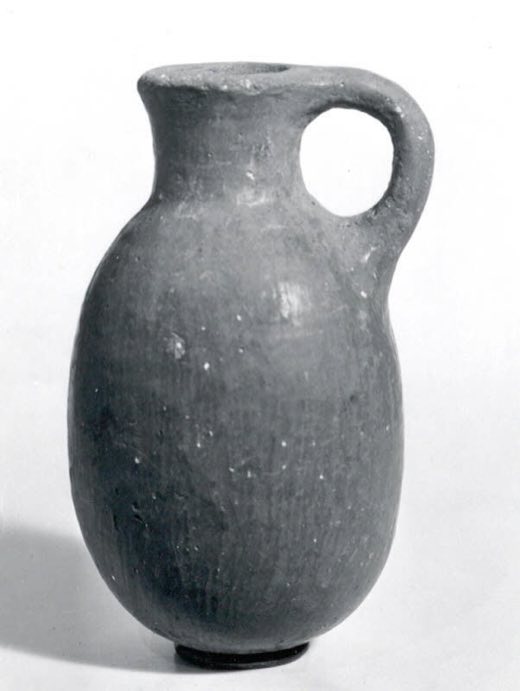 Olive presses and the name GethsemaneCrushing stone, beam press, settling vat · Ekron’s hundred presses · Gethsemane, “oil press”
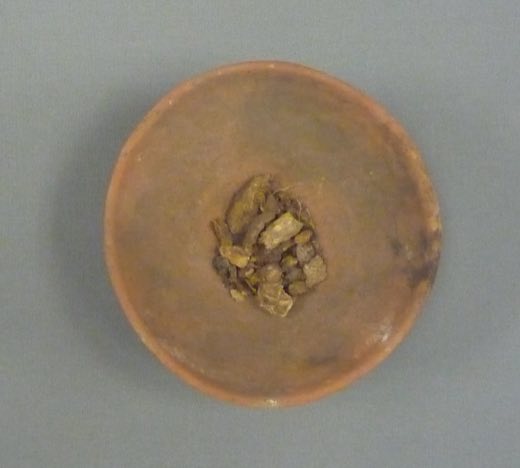 Figs and summer fruitHebrew qayits, “summer fruit” · early figs in June · the main crop dried into cakes
- Planting, grafting and the first three yearsFruit of a new tree not eaten for three years · fruit trees spared in war · grafting
Water
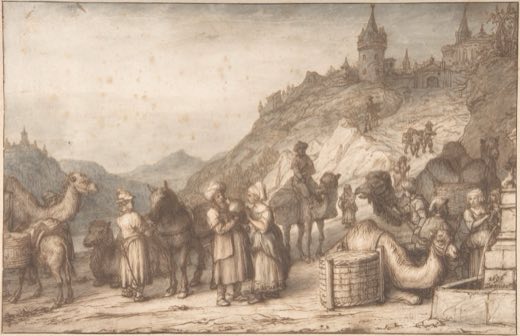 Drawing water: stones, ropes and troughsHebrew be’er (well), sha’av (to draw) · a stone over the mouth · troughs for the flocks
- Cisterns and empty pitsHebrew bor · bell-shaped chambers cut in rock · plastered from about the 13th century BC
- Irrigation: Egypt, Babylon and the gardensThe Nile flood and the canals of Mesopotamia · Israel watered by rain · garden channels
- Conduits and aqueductsThe conduit of the upper pool · Hezekiah’s tunnel, about 540 m · Roman aqueducts
- Ritual baths (mikvaot)Hebrew miqveh, “gathering” of water · stepped pools cut in rock · hundreds found from Jesus’ time
- Washing clothes: launderers and lyeHebrew kabas (to wash, to tread) · Greek gnapheus (launderer) · the Launderer’s Field outside Jerusalem
Farmers in the Bible’s stories
- The first farmers: Adam, Cain, Noah and Isaac“To cultivate and keep it” · Cain the tiller · Noah’s vineyard · Isaac’s hundredfold
- Joseph’s granaries: seven years of plentyA fifth of the harvest stored · grain “like the sand of the sea”
- Kings and their lands: David, Uzziah and Naboth’s vineyardDavid’s stewards of fields and vineyards · Uzziah, “a lover of the soil” · Naboth’s inheritance
- Called from the field: Gideon, Saul, Elisha and AmosGideon in the winepress · Saul behind his oxen · Elisha’s twelve yoke · Amos
- Threshing floors in the Bible’s storiesRuth and Boaz · the floor of Atad · Araunah’s floor · kings at Samaria’s gate
- Parables of the fieldThe seed growing by itself · wheat and weeds · bigger barns · the barren fig tree