Encyclopedia › Field, orchard and water
Field, orchard and water
Kings and their lands: David, Uzziah and Naboth’s vineyard
David’s stewards of fields and vineyards · Uzziah, “a lover of the soil” · Naboth’s inheritance
Kings were also great landowners. Samuel warned the people that a king would take their sons “to plow his ground, to reap his harvest”, and “the best of your fields and vineyards and olive groves” (1 Samuel 8:12, 14). Chronicles lists the stewards of David’s property: one over “the workers in the fields who tilled the soil”, one over the vineyards, another over “the produce of the vineyards for the wine vats”, one over “the olive and sycamore trees in the foothills”, one over the stores of oil, and others over herds, camels, donkeys and flocks (1 Chronicles 27:26–31). Uzziah built towers in the desert and dug cisterns for his herds, and “since he was a lover of the soil, he had farmers and vinedressers in the hill country and in the fertile fields” (2 Chronicles 26:10). Hezekiah built storehouses “for the harvest of grain and new wine and oil” (2 Chronicles 32:28).
A king could not simply take an Israelite’s land. Ahab wanted the vineyard of Naboth, next to his palace in Jezreel, “to use as a vegetable garden”, and offered a better vineyard or its price (1 Kings 21:2). Naboth refused to give up the inheritance of his fathers, and only a false trial arranged by Jezebel put the vineyard in the king’s hands — a crime for which Elijah pronounced judgment on Ahab’s house.
In art
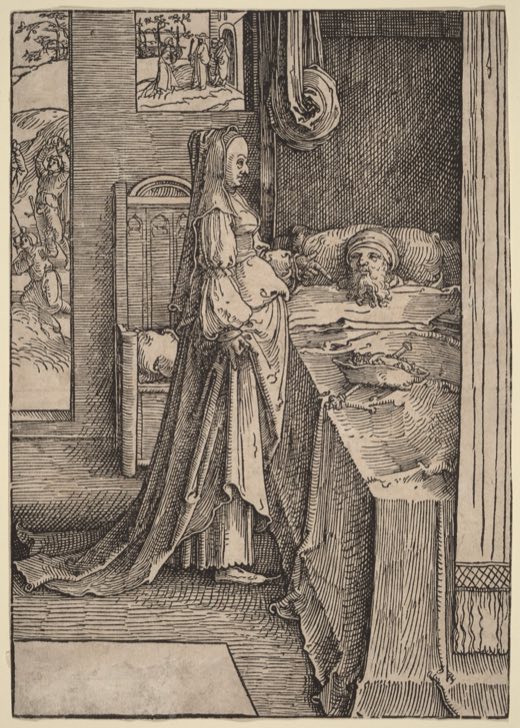 Jezebel Promising Naboth's Vineyard to King Ahab
See also
- Work in the vineyard: hedges, pruning and watchmenField, orchard and water
- InheritanceHome and family
- Cisterns and empty pitsField, orchard and water
- Fortresses and watchtowersBuildings and structures
- Storehouses, granaries and archivesBuildings and structures
- Sycamore-figPlants of the Bible
- DavidPeople
- UzziahPeople
- NabothPeople
- HezekiahPeople
Sources: Tyndale Open Bible Dictionary © 2023 Tyndale House Publishers, CC BY-SA 4.0 — adapted and shortened; the original work is available for free at tyndaleopenresources.com · Sources and rights