Encyclopedia › Field, orchard and water
Field, orchard and water
Fallow ground, manure and ashes
The seventh year’s rest · dung mostly burned as fuel · manure for gardens and trees
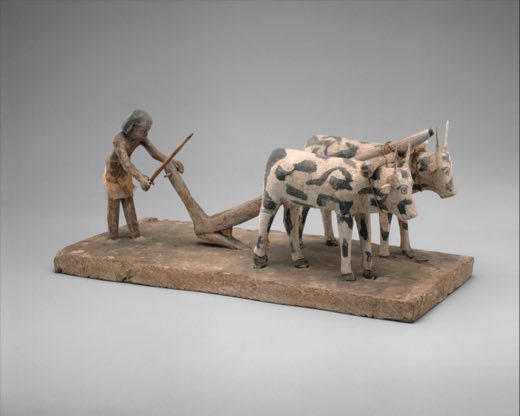
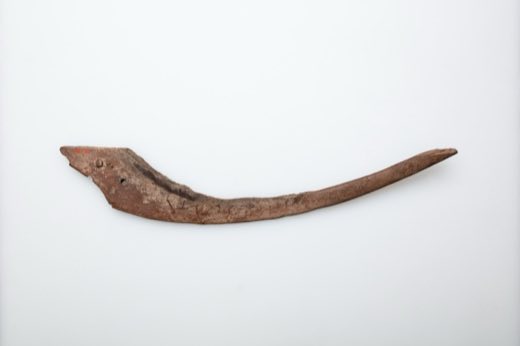
Ancient farmers had few ways to keep the soil rich, and the commonest was rest. The Law told Israel: “For six years you are to sow your land and gather its produce, but in the seventh year you must let it rest and lie fallow, so that the poor among your people may eat from the field” (Exodus 23:10–11). Many farmers probably also left part of their land unsown in turn, and the flocks that grazed the stubble after harvest left their dung on it. Ground that had rested grew hard and had to be broken up again; Hosea calls Israel to “break up your unplowed ground” and to “sow for yourselves righteousness” (Hosea 10:12).
Manure was valuable, but much of the animals’ dung was dried and burned as fuel, so it went mostly on gardens and around trees. In Jesus’ parable the keeper of the vineyard pleads for a barren fig tree: “leave it alone again this year, until I dig around it and fertilize it” (Luke 13:8). Salt that has lost its savor, Jesus says, “is fit neither for the soil nor for the manure pile” (Luke 14:35); a village kept its dung heap outside the houses, and Isaiah speaks of straw “trodden into the dung pile” to rot (Isaiah 25:10). The Mishnah, written down about AD 200, also names ashes, leaves and the dregs of olive oil among the things put on the land.
In art
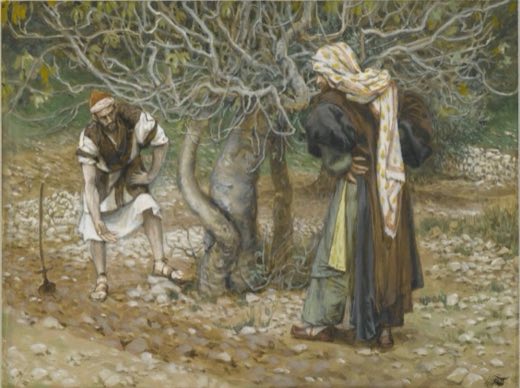 The Vine Dresser and the Fig Tree (Le vigneron et le figuier)
All verses on this topic
See also
- Clearing the field: stones, thorns and terracesField, orchard and water
- Planting, grafting and the first three yearsField, orchard and water
- The seventh year and the JubileeHuman life in Bible times
- Fuel: wood, charcoal, dung and thornsTrade, craft and color
- Parables of the fieldField, orchard and water
Sources: Tyndale Open Bible Dictionary © 2023 Tyndale House Publishers, CC BY-SA 4.0 — adapted and shortened; the original work is available for free at tyndaleopenresources.com · Sources and rights