Encyclopedia › Field, orchard and water
Field, orchard and water
Called from the field: Gideon, Saul, Elisha and Amos
Gideon in the winepress · Saul behind his oxen · Elisha’s twelve yoke · Amos
Several of Israel’s leaders were called while working the land. The angel of the LORD found Gideon “threshing wheat in a winepress to hide it from the Midianites” (Judges 6:11) — an odd place to thresh, since grain was usually winnowed in the wind on an open floor, but raiders took every harvest they saw. After Saul had been anointed king, news of the danger to Jabesh-gilead reached him as he “was returning from the field, behind his oxen” (1 Samuel 11:5), and he rallied Israel by cutting up a yoke of those oxen.
Elijah found Elisha “plowing with twelve teams of oxen, and he was with the twelfth team” (1 Kings 19:19), the sign of a wealthy farm. When Elijah threw his cloak over him, Elisha slaughtered his pair of oxen, cooked the meat on the wood of their yoke and plow, fed the people, and followed him (1 Kings 19:21). Amos told the priest of Bethel, “I was not a prophet … nor was I the son of a prophet; rather, I was a herdsman and a tender of sycamore-fig trees” (Amos 7:14), and “the LORD took me from following the flock” (Amos 7:15). The sycamore fig grew in the warm lowlands, not at Tekoa in the hills, so Amos probably worked away from home for part of the year. Jesus used the plowman’s picture for His followers: “No one who puts his hand to the plow and then looks back is fit for the kingdom of God” (Luke 9:62).
In art
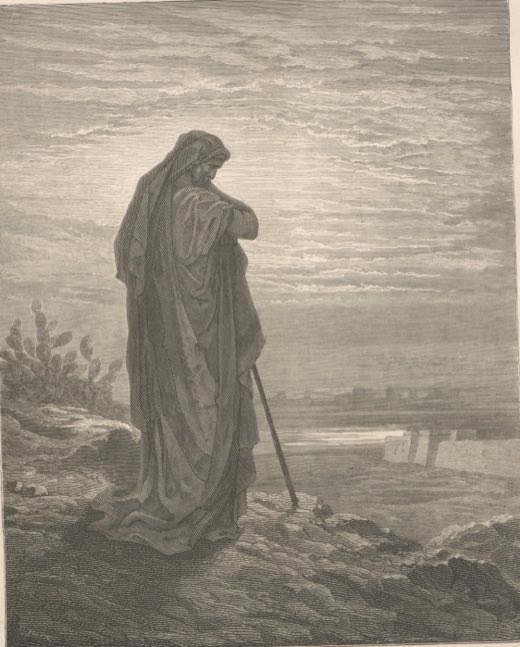 The Prophet Amos
See also
- Yoke, plow and goadWork and trades
- Threshing floors and winnowingWork and trades
- Winepresses and vineyard towersWork and trades
- Sycamore-figPlants of the Bible
- CattleAnimals of the Bible
- Threshing floors in the Bible’s storiesField, orchard and water
- Gideon and the three hundredWeapons and warfare
- GideonPeople
- SaulPeople
- ElishaPeople
- Amos (Amos)People
- TekoaPlaces
Sources: Tyndale Open Bible Dictionary © 2023 Tyndale House Publishers, CC BY-SA 4.0 — adapted and shortened; the original work is available for free at tyndaleopenresources.com · Sources and rights