Encyclopedia › How the Bible came to be
How the Bible came to be
The Aleppo and Leningrad codices
Aleppo: about AD 930, Tiberias · Leningrad: AD 1008 · the Masoretic Bible in book form
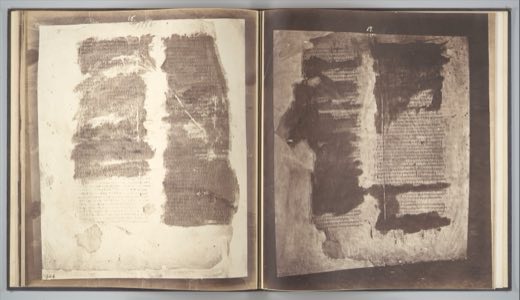
The two most famous books of the Hebrew Bible were made in the 10th and 11th centuries, when the Masoretes had finished their work. The Aleppo Codex was written in Tiberias about AD 930; the vowel signs, accents and notes were added by Aaron ben Asher, the most respected of the Masoretes. It was kept by the Jewish community of Jerusalem, carried off by the Crusaders in 1099 and ransomed, and taken to Cairo, where the scholar Maimonides used it as his model. Later it went to Aleppo in Syria, where it was guarded in the great synagogue for some six centuries.
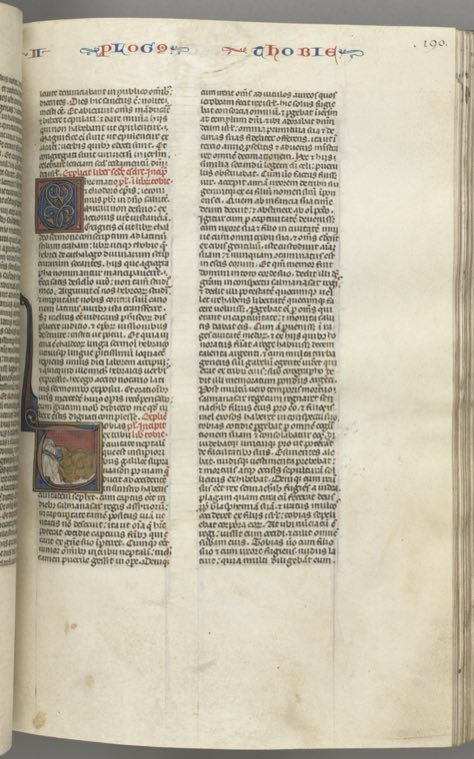
In December 1947, after the United Nations vote on Palestine, rioters set the synagogue on fire. The codex survived, but about two-fifths of its pages were lost, including most of the Torah. In 1958 it was brought to Jerusalem, and it is now kept in the Israel Museum. The Leningrad Codex was copied in Cairo in AD 1008 from manuscripts corrected by ben Asher, and it is complete. Abraham Firkovich brought it to the Imperial Public Library in St Petersburg in the 19th century, and it is still there, in the National Library of Russia; it kept the city’s Soviet name. It is the oldest complete Hebrew Bible, and the scholarly editions printed today follow it.
See also
- The Masoretic TextHow the Bible came to be
- Consonants and vowel pointsLanguages of the Bible
- Tiberias: Herod Antipas’s new cityCities of the Bible
- Comparing manuscriptsHow the Bible’s world is studied
Sources: Tyndale Open Bible Dictionary © 2023 Tyndale House Publishers, CC BY-SA 4.0 — adapted and shortened; the original work is available for free at tyndaleopenresources.com · Sources and rights