Encyclopedia › Rulers around the Bible
Rulers around the Bible
Xerxes I (Ahasuerus)
King of Persia, 486–465 BC · Hebrew Ahashverosh · invaded Greece 480 BC
The king of the book of Esther is called in Hebrew Ahashverosh, from the Persian Khshayarsha, whom the Greeks called Xerxes; older English Bibles write Ahasuerus. Most scholars identify him with Xerxes I, son of Darius I, who ruled 486–465 BC. Esther says he reigned “over 127 provinces from India to Cush” (Esther 1:1) and held court at Susa; the palace of Darius and Xerxes there has been excavated, and Xerxes also built at Persepolis. He made Esther queen in place of Vashti (Esther 2:17), and through her and Mordecai the Jews of his empire were saved from Haman’s plot.
Herodotus tells of his invasion of Greece in 480 BC, the battles of Thermopylae and Salamis and his retreat. The feast of his third year in Esther 1:3, about 483 BC, would fall before the campaign, and Esther comes to him in his seventh year, after it. Herodotus names his queen Amestris, not Vashti or Esther; scholars explain this in different ways. Xerxes was murdered in his palace in 465 BC.
In art
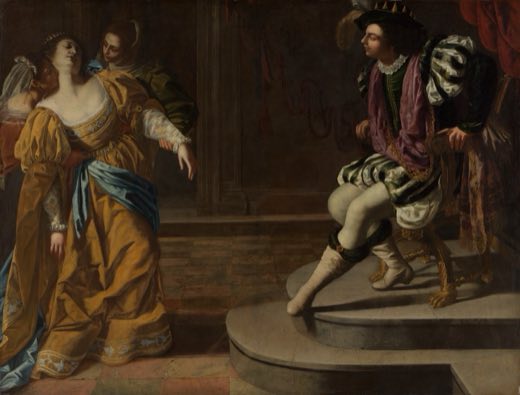 Esther before AhasuerusArtemisia Gentileschi
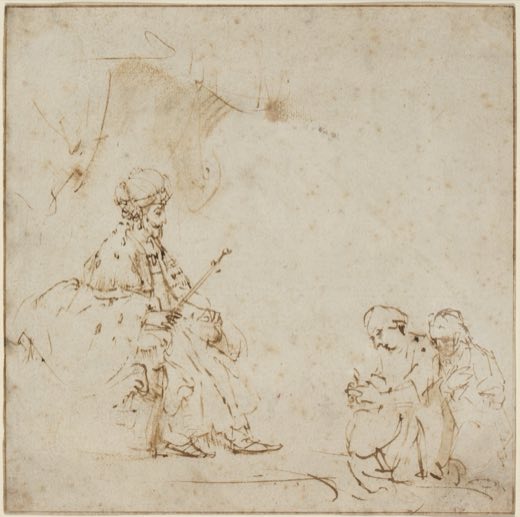 Esther before AhasuerusRembrandt
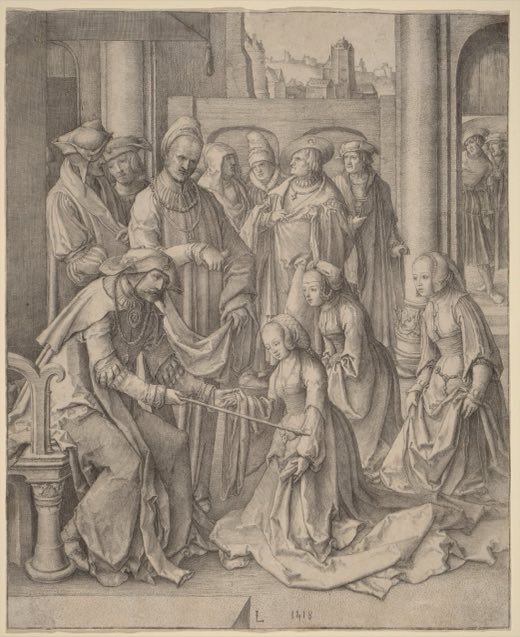 Esther before AhasuerusLucas van Leyden
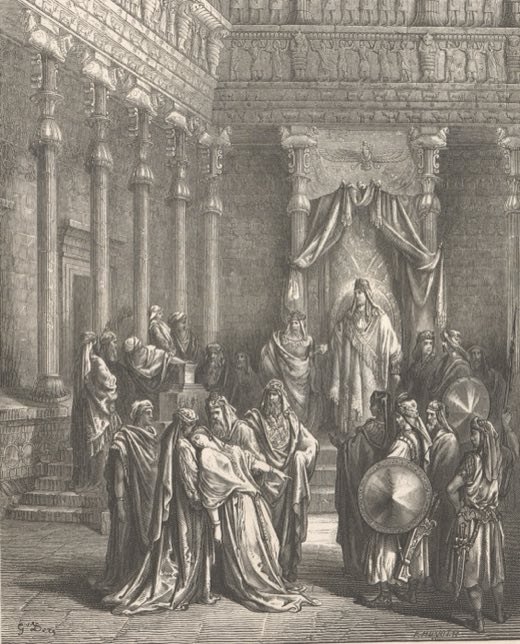 Esther Before the KingGustave Doré
Key verses
This is what happened in the days of Xerxes, who reigned over 127 provinces from India to Cush.In those days King Xerxes sat on his royal throne in the citadel of Susa.She was taken to King Xerxes in the royal palace in the tenth month, the month of Tebeth, in the seventh year of his reign.At the beginning of the reign of Xerxes, an accusation was lodged against the people of Judah and Jerusalem.See also
- Darius I the GreatRulers around the Bible
- Artaxerxes IRulers around the Bible
- PurimFeasts and festivals
- PersiansPeoples and gods around Israel
- Susa: a capital of Elam and PersiaCities of the Bible
- Decrees and edicts of kingsWriting and books
- Eunuchs and chamberlainsWork and trades
- XerxesPeople
- SusaPlaces
Sources: Tyndale Open Bible Dictionary © 2023 Tyndale House Publishers, CC BY-SA 4.0 — adapted and shortened; the original work is available for free at tyndaleopenresources.com · Sources and rights