Encyclopedia › Rulers around the Bible
Rulers around the Bible
Tattenai, Sanballat and the Persian governors
“Beyond the River” · Tattenai · Sanballat of Samaria · the Elephantine letters
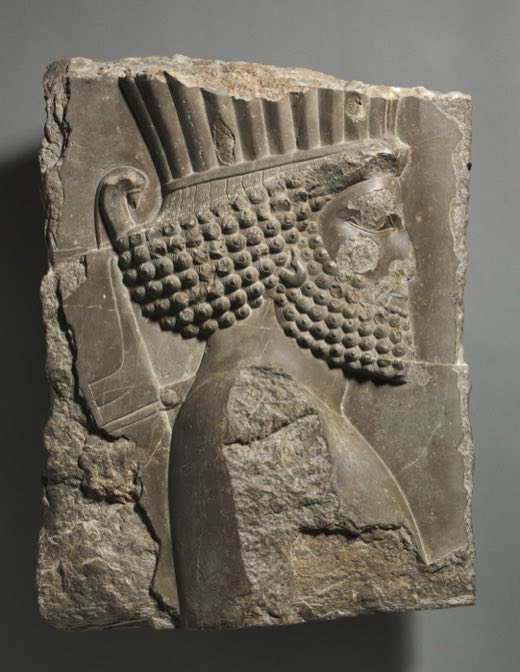
Under the Persian kings, the lands west of the Euphrates formed one great province, “Beyond the River”, under a satrap, with smaller districts such as Judah and Samaria under their own governors. When the Jews began rebuilding the temple, “Tattenai the governor of the region west of the Euphrates” came and asked, “Who authorized you to rebuild this temple?” (Ezra 5:3). He wrote to Darius, the archives turned up Cyrus’s decree, and Darius told him to “stay away from that place” and pay the costs from royal taxes (Ezra 6:6–8). A Babylonian tablet of 502 BC names a Tattannu, governor of Beyond the River, very likely the same man.
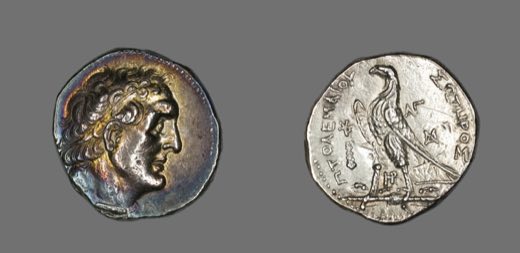
Nehemiah’s chief opponent was Sanballat the Horonite, with Tobiah the Ammonite official and Geshem the Arab (Nehemiah 2:19). Outside the Bible Sanballat appears in a letter of 407 BC from the Jewish garrison at Elephantine in Egypt, which names his sons as leaders in Samaria; later papyri from Wadi Daliyeh name further Sanballats. The same Elephantine letters, asking for help to rebuild their destroyed temple, are addressed to Bagohi, governor of Judah, and mention Johanan the high priest of Jerusalem. One of the high priest’s grandsons had married Sanballat’s daughter, and Nehemiah drove him away (Nehemiah 13:28). Coins and seal impressions name other governors of Yehud, as the province of Judah was called.
In art
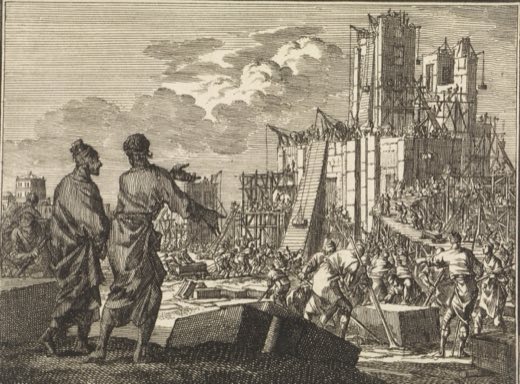 The Rebuilding of the Temple
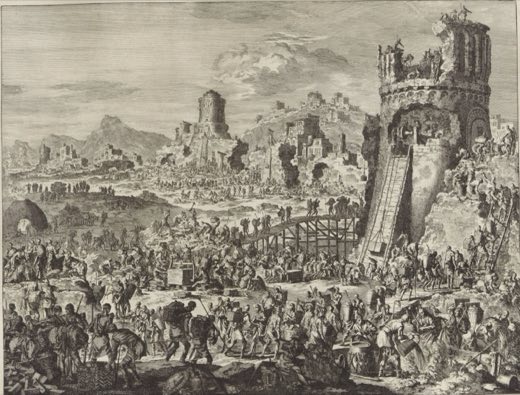 The Walls of Jerusalem Rebuilt
See also
- Darius I the GreatRulers around the Bible
- Artaxerxes IRulers around the Bible
- SamaritansJewish groups and the Roman world
- The Elephantine papyriAncient texts beside the Bible
- Jewish coins from the Persians to Bar KokhbaMoney and measures
- Decrees and edicts of kingsWriting and books
- TattenaiPeople
- SanballatPeople
- Tobiah (Nehemiah)People
- GeshemPeople
Sources: Tyndale Open Bible Dictionary © 2023 Tyndale House Publishers, CC BY-SA 4.0 — adapted and shortened; the original work is available for free at tyndaleopenresources.com · Sources and rights