Encyclopedia › Writing and books
Writing and books
Decrees and edicts of kings
Persian edicts “in the script of each province” · sealed with the king’s ring · Augustus’s census
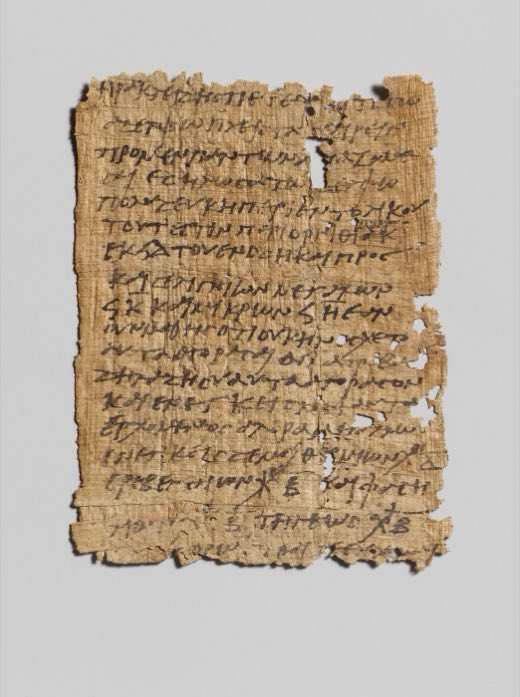
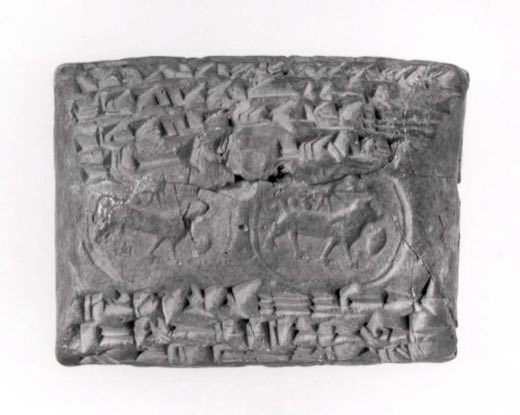
An empire was ruled in writing. The Persian kings sent their orders to every corner of their lands, and the Bible describes how it was done. The royal scribes wrote out the order “in the script of each province and the language of every people”, it was “written in the name of King Xerxes and sealed with the royal signet ring”, and “the letters were sent by couriers to each of the royal provinces” (Esther 3:12–13). Such a decree could not be withdrawn: “a decree that is written in the name of the king and sealed with the royal signet ring cannot be revoked” (Esther 8:8). So Esther could not cancel Haman’s order; a second decree had to allow the Jews to defend themselves. Daniel’s enemies relied on the same rule, “the law of the Medes and Persians, which cannot be repealed” (Daniel 6:8).
Not every decree brought fear. Cyrus sent “a proclamation throughout his kingdom” and put it in writing, allowing the exiles to go home and rebuild the temple (Ezra 1:1). In the New Testament a decree of Augustus sets the scene of the Nativity: “a decree went out from Caesar Augustus that a census should be taken of the whole empire” (Luke 2:1). The church had its own written decisions: after the meeting in Jerusalem, Paul and his companions “delivered the decisions handed down by the apostles and elders” from town to town (Acts 16:4).
In art
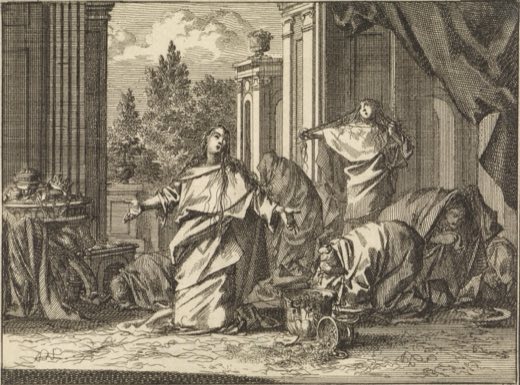 Esther Hears of Mordecai’s Mourning
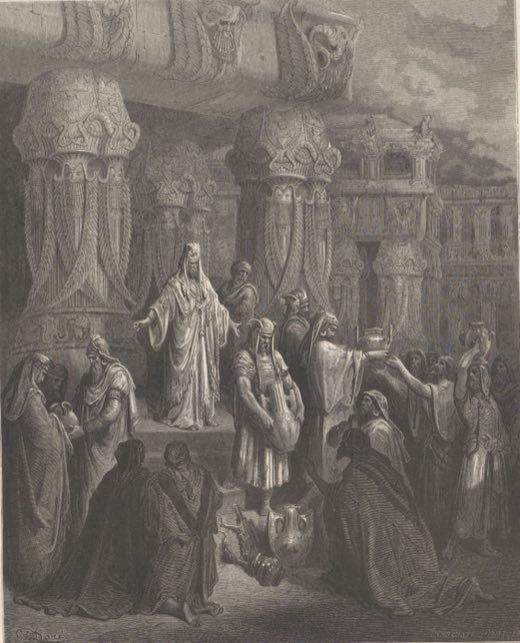 Cyrus Returns the Vessels of the Temple
See also
- Letters in the Old TestamentWriting and books
- Runners, couriers and the king’s postTrade, craft and color
- Jewelry and sealsClothing and adornment
- Cyrus the Great in historyRulers around the Bible
- Xerxes I (Ahasuerus)Rulers around the Bible
- Tribute and the censusJewish groups and the Roman world
- Royal records and archivesWriting and books
- Tattenai, Sanballat and the Persian governorsRulers around the Bible
- EstherPeople
- MordecaiPeople
- CyrusPeople
Sources: Tyndale Open Bible Dictionary © 2023 Tyndale House Publishers, CC BY-SA 4.0 — adapted and shortened; the original work is available for free at tyndaleopenresources.com · Sources and rights