Food and drink
Herbs and seasoning
Salt, cumin, dill, mint, coriander · onions, leeks and garlic · bitter herbs at Passover
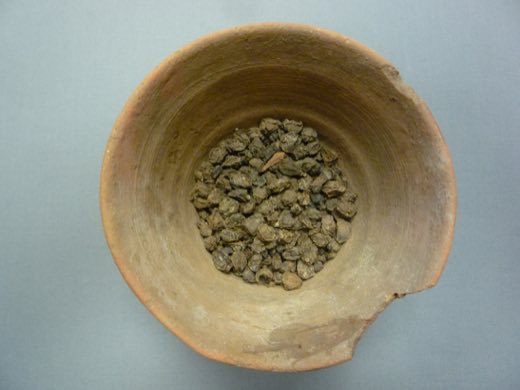
Everyday food was plain — bread, porridge, lentils, oil — and it was the seasoning that gave it taste. Salt came first: “Is tasteless food eaten without salt?” asks Job (Job 6:6). Then came seeds and herbs grown in small plots by the house: cumin and dill, which Isaiah describes the farmer sowing and beating out with a stick rather than a threshing sledge (Isaiah 28:25–27), mint, coriander and rue. The Pharisees took such care with the tithe that they gave a tenth even of their garden herbs: “You pay tithes of mint, dill, and cumin” (Matthew 23:23).
Onions, leeks and garlic were both vegetables and flavorings. In the desert the Israelites missed them: “We remember the fish we ate freely in Egypt, along with the cucumbers, melons, leeks, onions, and garlic” (Numbers 11:5). Mustard seed was known, and the “caper berry” appears in Ecclesiastes 12:5.
Some herbs had a place in the feasts. The Passover lamb was eaten “along with unleavened bread and bitter herbs” (Exodus 12:8) — probably wild greens such as chicory or endive. At harvest Boaz invited Ruth to “dip it into the vinegar sauce” (Ruth 2:14), a sour drink in which bread was dipped. Costly spices from Arabia and India were for perfume and incense more than for the cooking pot.
See also
- SaltFood and drink
- Cumin, dill and black cuminPlants of the Bible
- Mint and ruePlants of the Bible
- CorianderPlants of the Bible
- Onions, leeks and garlicPlants of the Bible
- Bitter herbsPlants of the Bible
- MustardPlants of the Bible
- Caper bushPlants of the Bible
Sources: Tyndale Open Bible Dictionary © 2023 Tyndale House Publishers, CC BY-SA 4.0 — adapted and shortened; the original work is available for free at tyndaleopenresources.com · Sources and rights