Encyclopedia › Plants of the Bible
Plants of the Bible
Cumin, dill and black cumin
Hebrew kammon, qetsach · Greek kyminon, anēthon · KJV “cummin”, “anise”, “fitches”
Cumin and dill are small herbs of the carrot family, half a meter tall or less, with feathery leaves and umbrellas of tiny flowers; their aromatic seeds seasoned bread and stews and were used in medicine. Isaiah describes how a farmer sows “caraway” and scatters cumin, and how he threshes them gently — “caraway is beaten out with a stick, and cumin with a rod” — instead of crushing them under a heavy sledge or cart wheel like grain (Isaiah 28:27). Farmers in some places still beat out cumin seed this way.
The Hebrew qetsach in Isaiah has been translated fitches, dill, fennel or caraway. Many botanists think it was black cumin, Nigella sativa, a small plant with blue flowers whose pods hold sharp-tasting black seeds still sprinkled on bread in the region. In the Gospels Jesus speaks of the Pharisees who gave a tenth even of their “mint, dill, and cumin” (Matthew 23:23). The rabbis debated which garden herbs had to be tithed. Older English Bibles call the dill anise.
In nature
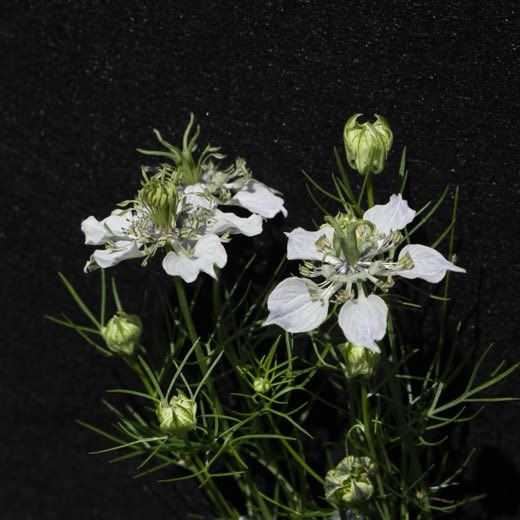
All verses with this plant (3)
Where the Hebrew, Aramaic or Greek word for it stands in the text.
Isaiah2
When he has leveled its surface, does he not sow caraway and scatter cumin? He plants wheat in rows and barley in plots, and rye within its border.Surely caraway is not threshed with a sledge, and the wheel of a cart is not rolled over the cumin. But caraway is beaten out with a stick, and cumin with a rod.Matthew1
Woe to you, scribes and Pharisees, you hypocrites! You pay tithes of mint, dill, and cumin. But you have disregarded the weightier matters of the law: justice, mercy, and faithfulness. You should have practiced the latter, without neglecting the former.See also
- Mint and ruePlants of the Bible
- CorianderPlants of the Bible
- Plant names in old and new BiblesPlants of the Bible
- Herbs and seasoningFood and drink
Sources: Tyndale Open Bible Dictionary © 2023 Tyndale House Publishers, CC BY-SA 4.0 — adapted and shortened; the original work is available for free at tyndaleopenresources.com · Plants and Trees in the Bible © United Bible Societies 2025, adapted from R. Koops, Each According to its Kind © 2012 UBS, CC BY-SA 4.0 · Sources and rights