Encyclopedia › Plants of the Bible
Plants of the Bible
Bitter herbs
Hebrew merorim · wild greens such as chicory, endive and lettuce
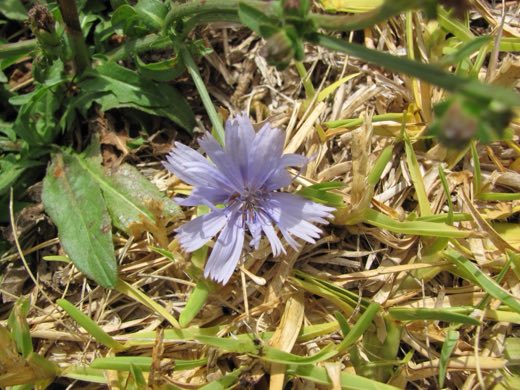
At the first Passover the people were to eat the lamb “roasted over the fire, along with unleavened bread and bitter herbs” (Exodus 12:8). The Hebrew merorim simply means “bitter things”, from the root marar, “to be bitter” — the same root as Naomi’s name Mara. So it may name one plant or several. Scholars suggest the wild greens of the region whose leaves taste sharp: wild chicory and endive, wild lettuce, dandelion, sorrel and others that grow in fields in early spring, when Passover falls.
Such greens were part of everyday food for country people, gathered free from the fields and eaten raw or cooked. The Mishnah, a collection of Jewish teaching from about AD 200, lists five plants that may be used at the Passover meal, beginning with lettuce. Jews still eat maror at the Passover meal today; in many families it is romaine lettuce, and among Jews of Europe it is often grated horseradish, a plant not known in the Bible lands.
In nature
All verses with this plant (3)
Where the Hebrew, Aramaic or Greek word for it stands in the text.
Exodus1
They are to eat the meat that night, roasted over the fire, along with unleavened bread and bitter herbs.Numbers1
Such people are to observe it at twilight on the fourteenth day of the second month. They are to eat the lamb, together with unleavened bread and bitter herbs;Lamentations1
He has filled me with bitterness; He has intoxicated me with wormwood.See also
- Mint and ruePlants of the Bible
- Passover and Unleavened BreadFeasts and festivals
- Herbs and seasoningFood and drink
Sources: Tyndale Open Bible Dictionary © 2023 Tyndale House Publishers, CC BY-SA 4.0 — adapted and shortened; the original work is available for free at tyndaleopenresources.com · Plants and Trees in the Bible © United Bible Societies 2025, adapted from R. Koops, Each According to its Kind © 2012 UBS, CC BY-SA 4.0 · Sources and rights