Encyclopedia › Plants of the Bible
Plants of the Bible
Onions, leeks and garlic
Hebrew batsal, chatsir, shum · Allium · the vegetables Israel missed from Egypt
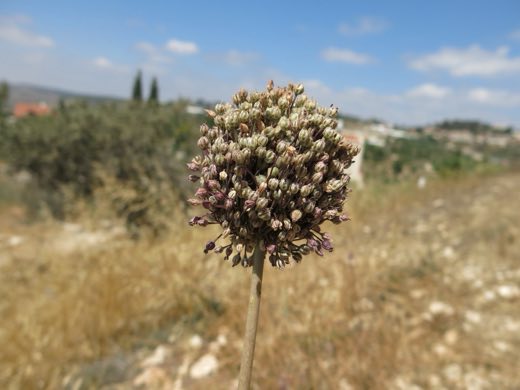
Onions, leeks and garlic all belong to the genus Allium, and all three were grown in Egypt long before the Exodus: dried garlic bulbs and models of them have been found in Egyptian tombs, and onions appear in tomb paintings and offerings. Onions have hollow leaves and a round bulb of fleshy layers; leeks have flat leaves and a long, slender stem with no real bulb; garlic forms a bulb divided into cloves, each of which can be planted to grow a new plant. They were cheap, easy to grow by irrigation and full of flavor.
In the wilderness the people grew tired of manna and remembered “the fish we ate freely in Egypt, along with the cucumbers, melons, leeks, onions, and garlic” (Numbers 11:5). This is the only place where these three are named in the Bible. The Hebrew word for leeks, chatsir, usually means “grass” or “green plants”, so by one view it meant the Egyptian salad leek, and by another fenugreek, a leafy herb also eaten in Egypt. Garlic was used as food, seasoning and medicine, and later Jewish writings speak of eating it on Friday evenings.
In nature
All verses with this plant (1)
Where the Hebrew, Aramaic or Greek word for it stands in the text.
Numbers1
We remember the fish we ate freely in Egypt, along with the cucumbers, melons, leeks, onions, and garlic.All verses on this topic
See also
- Cucumbers and melonsPlants of the Bible
- Lentils and everyday foodFood and drink
- Herbs and seasoningFood and drink
Sources: Tyndale Open Bible Dictionary © 2023 Tyndale House Publishers, CC BY-SA 4.0 — adapted and shortened; the original work is available for free at tyndaleopenresources.com · Plants and Trees in the Bible © United Bible Societies 2025, adapted from R. Koops, Each According to its Kind © 2012 UBS, CC BY-SA 4.0 · Sources and rights