Encyclopedia › Plants of the Bible
Plants of the Bible
Mint and rue
Greek hēdyosmon, pēganon · Mentha, Ruta · garden herbs of the Gospels
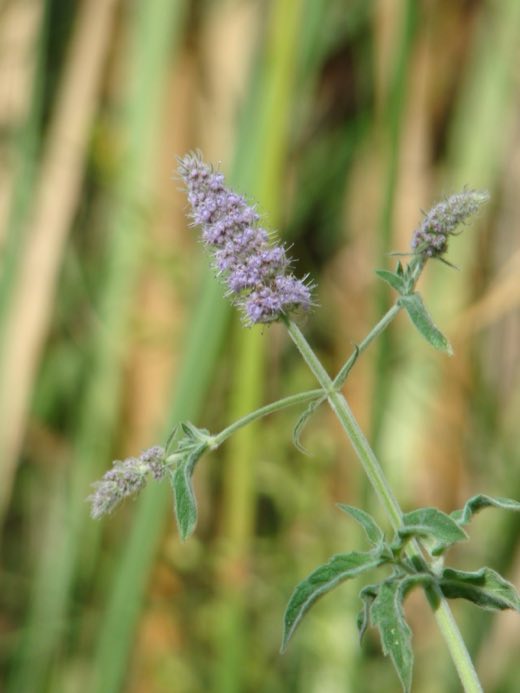
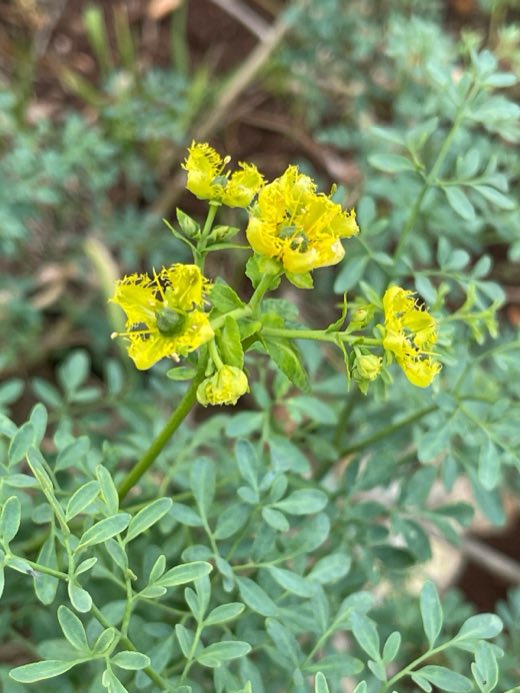
The mint of the Gospels was most likely horse mint, the commonest wild mint of the land, which grows along streams and can reach well over a meter, with soft, saw-edged leaves and spikes of lavender flowers. Its Greek name, hēdyosmon, means “sweet-smelling”. People flavored food with its leaves, made a hot drink from them and used it in medicine, and the Greeks and Romans did the same. Rue is a small shrubby plant with bluish leaves and yellow flowers and a sharp, bitter smell; it was used sparingly in cooking and as a medicine.
Both herbs appear only in Jesus’ words about the Pharisees, who gave a tenth of their “mint, rue, and every herb” (Luke 11:42); Matthew has “mint, dill, and cumin”. The Law spoke of tithing grain, wine and oil, and the later rabbis argued over which small garden plants had to be tithed: the Mishnah, written down about AD 200, counts rue among the plants free from the tithe. Mountain rue still grows wild from Syria to Sinai.
In nature
All verses with this plant (2)
Where the Hebrew, Aramaic or Greek word for it stands in the text.
Matthew1
Woe to you, scribes and Pharisees, you hypocrites! You pay tithes of mint, dill, and cumin. But you have disregarded the weightier matters of the law: justice, mercy, and faithfulness. You should have practiced the latter, without neglecting the former.Luke1
Woe to you Pharisees! You pay tithes of mint, rue, and every herb, but you disregard justice and the love of God. You should have practiced the latter without neglecting the former.See also
- Cumin, dill and black cuminPlants of the Bible
- Bitter herbsPlants of the Bible
- Herbs and seasoningFood and drink
Sources: Tyndale Open Bible Dictionary © 2023 Tyndale House Publishers, CC BY-SA 4.0 — adapted and shortened; the original work is available for free at tyndaleopenresources.com · Plants and Trees in the Bible © United Bible Societies 2025, adapted from R. Koops, Each According to its Kind © 2012 UBS, CC BY-SA 4.0 · Sources and rights