Encyclopedia › Writing and books
Writing and books
Letters in the Old Testament
Naaman’s letter · Hezekiah’s couriers · Jeremiah to the exiles · Nehemiah’s letters from the king
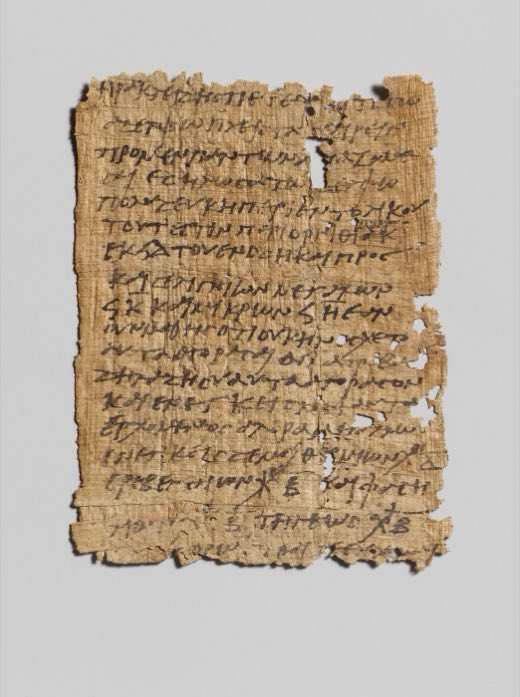
The Old Testament quotes or mentions more than a dozen letters, most of them between kings and officials. The king of Aram sent Naaman to Israel with a letter: “With this letter I am sending my servant Naaman, so that you may cure him of his leprosy” — and the king of Israel, reading it, tore his clothes and took it as a pretext for a quarrel (2 Kings 5:6–7). Hezekiah invited the north to his Passover by letter, and “the couriers went throughout Israel and Judah with letters from the king and his officials” (2 Chronicles 30:6). Even a prophet wrote: “a letter came to Jehoram from Elijah the prophet” (2 Chronicles 21:12).
The longest letter is Jeremiah’s to the people taken to Babylon in 597 BC: “Build houses and settle down. Plant gardens and eat their produce” (Jeremiah 29:5), and “Seek the prosperity of the city to which I have sent you” (Jeremiah 29:7). Under Persian rule letters were the way to get things done. Nehemiah asked the king for “letters … for the governors west of the Euphrates” to give him safe passage, and another for timber from the royal forest (Nehemiah 2:7–8). His enemies wrote too: Sanballat sent him “an unsealed letter” — a letter anyone could read along the way (Nehemiah 6:5). The officials’ letters to the Persian court in Ezra 4–6 are given in Aramaic, the language in which they were written.
See also
- LettersWriting and books
- Sealed documentsWriting and books
- Runners, couriers and the king’s postTrade, craft and color
- Aramaic in the Old TestamentLanguages of the Bible
- Decrees and edicts of kingsWriting and books
- Naaman (2 Kings)People
- JeremiahPeople
- Nehemiah, son of HacaliahPeople
Sources: Tyndale Open Bible Dictionary © 2023 Tyndale House Publishers, CC BY-SA 4.0 — adapted and shortened; the original work is available for free at tyndaleopenresources.com · Sources and rights