Encyclopedia › How the Bible was translated around the world
How the Bible was translated around the world
The Targums: the Bible in Aramaic
Aramaic targum, “translation” · read verse by verse in the synagogue · Onkelos, Jonathan, Neofiti
After the exile Aramaic, the common language of the Persian Empire, became the everyday speech of most Jews, and Hebrew was understood less and less. In the synagogue the reading came to be followed by a spoken Aramaic rendering, a targum, “translation”. The Mishnah describes the custom: a reader read the Law one verse at a time, the Prophets up to three, and a translator, the meturgeman, gave each in Aramaic from memory, not from a written page. Many scholars think Nehemiah 8 already shows something like it, when the Law was read “explaining it and giving insight, so that the people could understand what was being read” (Nehemiah 8:8).
In time the targums were written down. The Targum of Onkelos on the five books of Moses and the Targum of Jonathan on the Prophets became the standard ones in Babylonia and were copied in Hebrew Bibles beside the text. They often explain as they translate, adding a word or a phrase to make a passage clear. Other targums from the land of Israel are freer and fuller; one of them, Codex Neofiti 1, was recognized in the Vatican Library only in 1956. Among the Dead Sea Scrolls are pieces of an Aramaic Job and of Leviticus, older than any of these. Parts of the Bible itself are written in Aramaic, in Daniel and Ezra.
In art
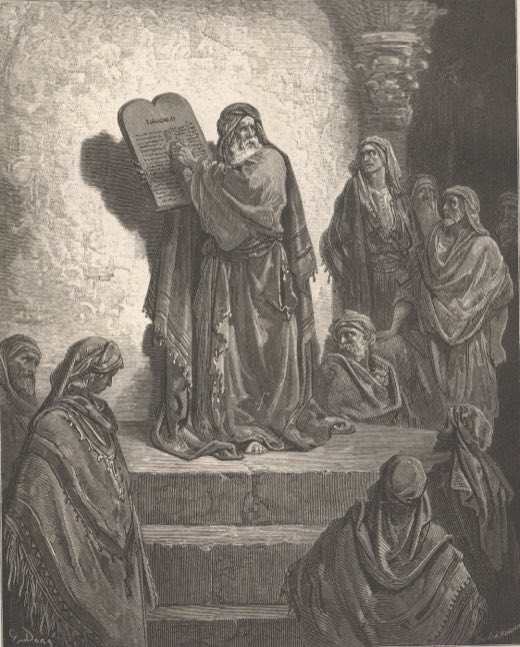 Ezra Reads the Law to the People
See also
- The Vulgate and other ancient versionsHow the Bible came to be
- Aramaic in the Old TestamentLanguages of the Bible
- Aramaic words in the New TestamentLanguages of the Bible
- The other Dead Sea ScrollsAncient texts beside the Bible
- The Mishnah and the TalmudAncient texts beside the Bible
- SynagogueTabernacle and temple
- The Old Latin BibleHow the Bible was translated around the world
- Interpreters and translatorsLanguages of the Bible
- EzraPeople
Sources: Tyndale Open Bible Dictionary © 2023 Tyndale House Publishers, CC BY-SA 4.0 — adapted and shortened; the original work is available for free at tyndaleopenresources.com · Sources and rights