Encyclopedia › Weapons and warfare
Weapons and warfare
Jerusalem taken, 597 BC
Babylonian Chronicle: 16 March 597 BC · Jehoiachin taken to Babylon · craftsmen and smiths deported
When King Jehoiakim of Judah rebelled against Babylon, Nebuchadnezzar’s army marched on Jerusalem, “and the city came under siege” (2 Kings 24:10). Jehoiakim died, and his young son Jehoiachin, after three months on the throne, went out to the king of Babylon with his mother, his servants, his commanders and his officials (2 Kings 24:12). The Babylonian Chronicle records the event from the other side: in his seventh year Nebuchadnezzar besieged “the city of Judah” and took it on the second day of the month Adar — 16 March 597 BC by our calendar — seized its king and appointed a king of his own choice.
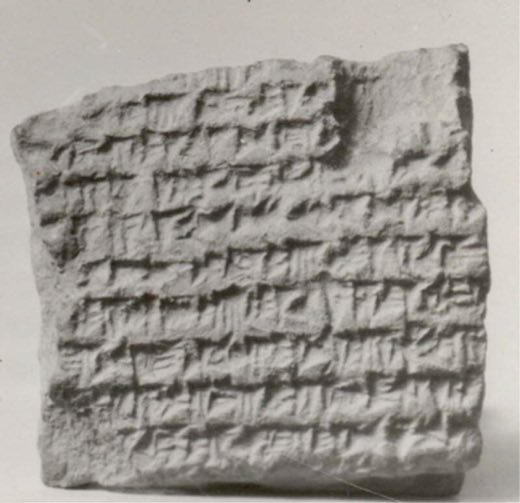
Kings counts ten thousand captives, among them “all the craftsmen and metalsmiths” (2 Kings 24:14); Jeremiah gives 3,023 for the seventh year (Jeremiah 52:28), and how the two counts relate is discussed. In Babylon, ration tablets from Nebuchadnezzar’s palace list oil for Jehoiachin, “king of the land of Judah”, and his sons. Clay tablets from a village in Babylonia called Al-Yahudu, “Judah town”, written from 572 BC on, show families of Judean exiles farming, paying taxes and doing business there.
See also
- The siege and fall of Jerusalem, 587/586 BCWeapons and warfare
- Nebuchadnezzar II in historyRulers around the Bible
- Evil-merodach (Amel-Marduk)Rulers around the Bible
- Babylon: the city of NebuchadnezzarCities of the Bible
- The Babylonian ChroniclesThe Bible in stone
- Jehoiachin’s ration tabletsThe Bible in stone
- Into exile: the long road to Assyria and BabylonRoads and travel
- JehoiachinPeople
- NebuchadnezzarPeople
- JerusalemPlaces
- BabylonPlaces
Sources: Tyndale Open Bible Dictionary © 2023 Tyndale House Publishers, CC BY-SA 4.0 — adapted and shortened; the original work is available for free at tyndaleopenresources.com · Sources and rights