Encyclopedia › Weapons and warfare
Weapons and warfare
The fall of Samaria
A three-year siege, about 722 BC · Shalmaneser V and Sargon II · an Assyrian province
Hoshea, the last king of Israel, had become a vassal of Assyria, but he sent to Egypt for help and stopped paying tribute. The king of Assyria imprisoned him, “marched up to Samaria, and besieged it for three years” (2 Kings 17:5), and took it in Hoshea’s ninth year, which Kings sets beside Hezekiah’s sixth (2 Kings 18:10) — about 722 BC. The city stood on a steep hill behind strong walls, and the long siege fits the place.
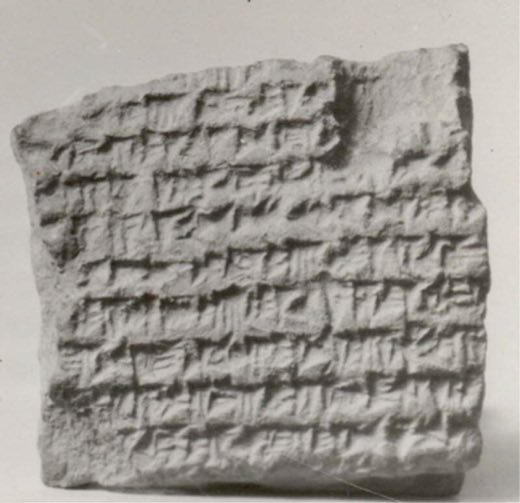
Who took it is debated. The Babylonian Chronicle says that Shalmaneser V “ravaged” a city usually read as Samaria, and he died in 722. His successor Sargon II claimed in his inscriptions to have conquered Samaria, carried off 27,290 people and made the land an Assyrian province, Samerina, under a governor. Many historians think Shalmaneser took the city and Sargon, after putting down a revolt there about 720, carried out the deportation. Kings tells that the Israelites were settled in Halah, by the Habor and in the cities of the Medes (2 Kings 17:6), and people from Babylon, Cuthah, Hamath and other cities were brought in their place (2 Kings 17:24).
See also
- Samaria: a royal city on a hillCities of the Bible
- Shalmaneser V and the fall of SamariaRulers around the Bible
- Sargon IIRulers around the Bible
- Into exile: the long road to Assyria and BabylonRoads and travel
- The gods of the settlers in SamariaPeoples and gods around Israel
- Hoshea, son of ElahPeople
- ShalmaneserPeople
- SamariaPlaces
- HalahPlaces
- HaborPlaces
- GozanPlaces
- CuthahPlaces
Sources: Tyndale Open Bible Dictionary © 2023 Tyndale House Publishers, CC BY-SA 4.0 — adapted and shortened; the original work is available for free at tyndaleopenresources.com · Sources and rights