Encyclopedia › The Bible in stone
The Bible in stone
The Babylonian Chronicles
Clay tablets, year by year · 7th–6th centuries BC · Jerusalem taken in 597 BC
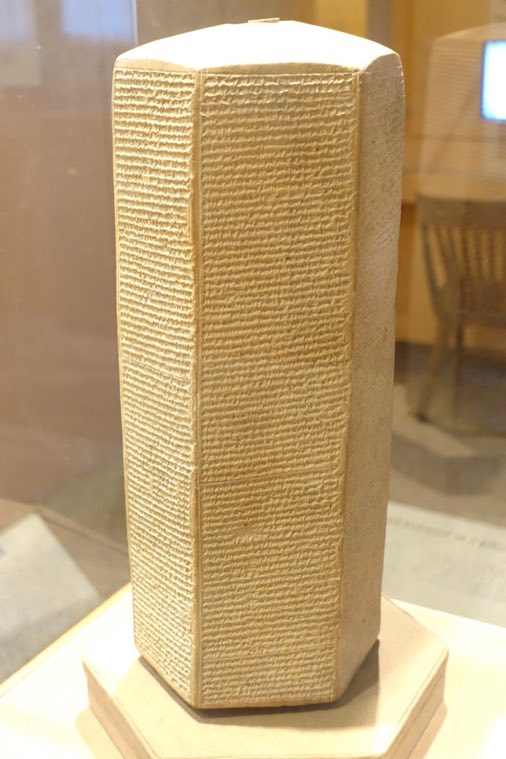
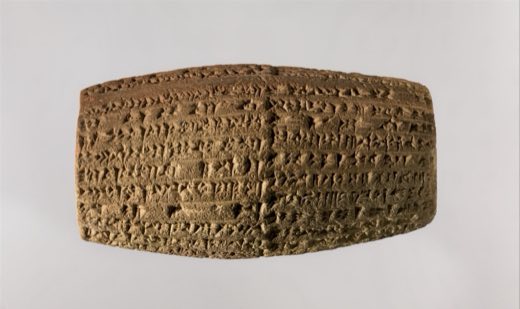
Babylonian scribes kept chronicles: short notes, year by year, of what the king did — his campaigns, the feasts, revolts and changes on the throne. Several of these small clay tablets are in the British Museum, and those that matter most for the Bible were published by Donald Wiseman in 1956. One tells of the fall of Nineveh to the Babylonians and Medes in 612 BC. Another tells how in 605 BC the crown prince Nebuchadnezzar defeated the Egyptian army at Carchemish on the Euphrates — the battle Jeremiah dates to “the fourth year of Jehoiakim” (Jeremiah 46:2) — and hurried home to take the throne when his father Nabopolassar died.
For Nebuchadnezzar’s seventh year the chronicle says that the king marched to the land of Hatti, besieged the city of Judah, and on the second day of the month Adar took the city and seized its king; he appointed a king of his own choice there, took heavy tribute and brought it to Babylon. The date is 16 March 597 BC, one of the most exact dates of the Old Testament period. Kings tells the same events from Jerusalem: Jehoiachin “surrendered to the king of Babylon”, and Nebuchadnezzar made his uncle Mattaniah king “and changed his name to Zedekiah” (2 Kings 24:12, 17). The chronicles have gaps: for the years of Jerusalem’s fall in 587/586 BC no tablet has yet been found.
See also
- Jerusalem taken, 597 BCWeapons and warfare
- Nebuchadnezzar II in historyRulers around the Bible
- Jehoiachin’s ration tabletsThe Bible in stone
- Lachish LettersThe Bible in stone
- Nabopolassar and the fall of NinevehRulers around the Bible
- JehoiachinPeople
- NebuchadnezzarPeople
Sources: Tyndale Open Bible Dictionary © 2023 Tyndale House Publishers, CC BY-SA 4.0 — adapted and shortened; the original work is available for free at tyndaleopenresources.com · Sources and rights