Encyclopedia › Money and measures
Money and measures
Thirty pieces of silver
The Law’s price of a servant · Zechariah’s wages · Judas · the potter’s field, Akeldama
Thirty shekels of silver was a known sum in the Law: if an ox gored a servant, “the owner must pay thirty shekels of silver to the master of that servant” (Exodus 21:32). The prophet Zechariah, acting as a shepherd of the people, asked for his wages, “so they weighed out my wages, thirty pieces of silver”; and the LORD told him, “Throw it to the potter” — “this magnificent price at which they valued me” — and he threw the silver “to the potter in the house of the LORD” (Zechariah 11:12–13).
When Judas went to the chief priests and asked what they would give him to hand Jesus over, “they set out for him thirty pieces of silver” (Matthew 26:15). In Jesus’ day these were most likely shekels of Tyre, the coin the temple used, each worth four denarii — together about four months’ wages for a laborer. When Jesus was condemned, Judas “was filled with remorse and returned the thirty pieces of silver” (Matthew 27:3) and threw them into the temple. The priests would not put “blood money” into the treasury and bought with it “the potter’s field as a burial place for foreigners” (Matthew 27:7). Acts gives the field’s Aramaic name, Akeldama, “Field of Blood” (Acts 1:19). Tradition places it on the south slope of the Hinnom valley, where rock-cut tombs and a Greek monastery stand today.
In art
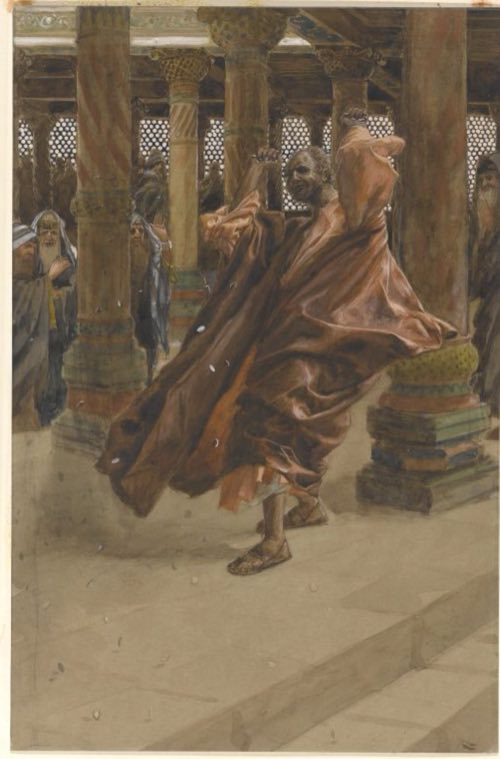 Judas Returns the Money (Judas rend l'argent)
See also
- Silver by weight: money before coinsMoney and measures
- ShekelMoney and measures
- Kidron and Hinnom: the valleys of JerusalemThe land of the Bible
- PotterWork and trades
- Money changers and bankersMoney and measures
- JudasPeople
- AkeldamaPlaces
Sources: Tyndale Open Bible Dictionary © 2023 Tyndale House Publishers, CC BY-SA 4.0 — adapted and shortened; the original work is available for free at tyndaleopenresources.com · Sources and rights