Encyclopedia › Work and trades
Work and trades
Treasurers
Azmaveth over David’s stores · Mithredath counts the temple vessels · the Ethiopian official · Erastus of Corinth
Kings, temples and cities needed trusted men to keep their silver, gold and goods. Under David “Azmaveth son of Adiel was in charge of the royal storehouses”, while another officer kept the stores in the country towns and fortresses (1 Chronicles 27:25), and Levites guarded “the treasuries of the house of God” (1 Chronicles 26:20). When Cyrus sent the vessels of the temple back to Jerusalem, he had them “brought out by the hand of Mithredath the treasurer, who counted them out to Sheshbazzar” (Ezra 1:8). Artaxerxes ordered “all the treasurers west of the Euphrates” to give Ezra what he needed (Ezra 7:21), and Nehemiah put four men over the storerooms “because they were considered trustworthy” (Nehemiah 13:13).
In Acts Philip met an Ethiopian, “a court official in charge of the entire treasury of Candace, queen of the Ethiopians” (Acts 8:27). Paul sends greetings from “Erastus, the city treasurer” of Corinth (Romans 16:23). In 1929 a paving stone was found at Corinth with a Latin inscription saying that one Erastus laid the pavement at his own expense in return for his post as aedile, a city magistrate. Some scholars think he is Paul’s Erastus at a later stage of his career; others point out that the titles differ and the name was common.
In art
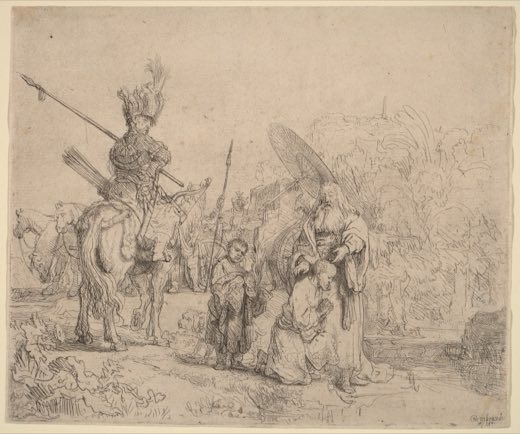 The Baptism of the Eunuch
See also
- Storehouses, granaries and archivesBuildings and structures
- Treasuries and offering chestsTabernacle and temple
- Stewards and household managersWork and trades
- City officials in ActsThe Greek world of Paul
- Philip and the Ethiopian’s chariotRoads and travel
- Azmaveth, son of AdielPeople
- Mithredath (Ezra 1:8)People
- ErastusPeople
- CandacePeople
Sources: Tyndale Open Bible Dictionary © 2023 Tyndale House Publishers, CC BY-SA 4.0 — adapted and shortened; the original work is available for free at tyndaleopenresources.com · Sources and rights