Encyclopedia › Work and trades
Work and trades
Cupbearers
Pharaoh’s chief cupbearer · Solomon’s cupbearers · Nehemiah, cupbearer to Artaxerxes · Rabshakeh, “chief cupbearer”
A cupbearer poured and served the king’s wine. Because he stood beside the king at meals and in private, the post was given to men the king trusted, and a cupbearer could speak to him at moments when others could not. In Joseph’s story Pharaoh threw “the chief cupbearer and the chief baker” into prison (Genesis 40:2); the cupbearer was restored, “so that he once again placed the cup in Pharaoh’s hand” (Genesis 40:21), but forgot Joseph for two years. When the queen of Sheba visited Solomon, the service “of his attendants and cupbearers” was among the things that “took her breath away” (1 Kings 10:5).
Nehemiah, a Jew in Persian Susa, writes simply: “At that time I was the cupbearer to the king” (Nehemiah 1:11). It was while he served wine to Artaxerxes that the king noticed his sad face and asked why, and Nehemiah asked to be sent to rebuild Jerusalem (Nehemiah 2:1–5). Assyrian kings had a rab shaqe, “chief cupbearer”, though by the 8th century BC the title belonged to one of the highest officers of the state. The Rabshakeh whom Sennacherib sent with the army to Jerusalem (2 Kings 18:17) was such an officer, and he spoke to the people on the wall in Hebrew.
In art
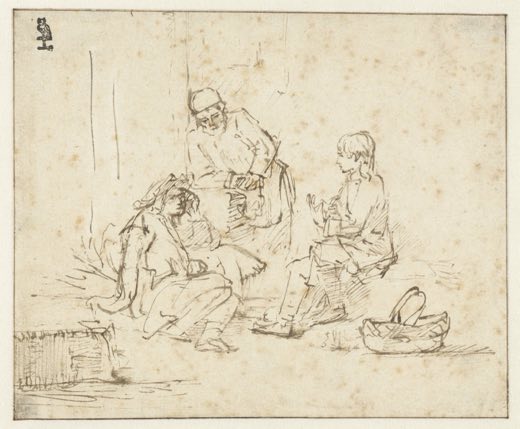 Joseph in Prison Interpreting the Dreams of the Butler and the BakerRembrandt
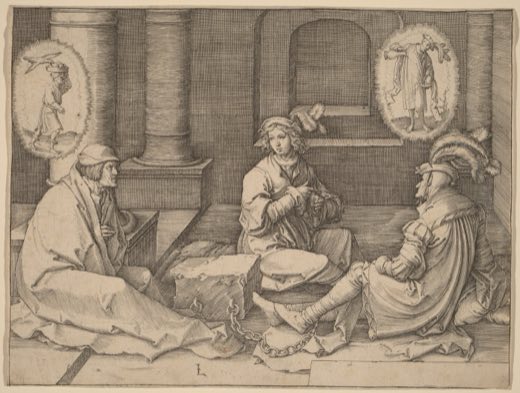 Joseph Interprets the Dreams in PrisonLucas van Leyden
See also
- At the king’s tableFood and drink
- Artaxerxes IRulers around the Bible
- Sennacherib’s campaign of 701 BCWeapons and warfare
- Cups, bowls, plates and knivesHome and family
- Nehemiah, son of HacaliahPeople
- RabshakehPeople
Sources: Tyndale Open Bible Dictionary © 2023 Tyndale House Publishers, CC BY-SA 4.0 — adapted and shortened; the original work is available for free at tyndaleopenresources.com · Sources and rights