Encyclopedia › Work and trades
Work and trades
Nurses and nursemaids
Deborah, Rebekah’s nurse · Moses nursed for wages · Mephibosheth’s fall · Joash hidden with his nurse
Mothers nursed their own children for two or three years, but a wet nurse was hired when a mother died, had no milk, or was a lady of rank. Such a nurse often stayed with the family for life. When Rebekah left home to marry Isaac, her family sent her off “along with her nurse” (Genesis 24:59), and when this nurse, Deborah, died many years later, she was buried under an oak near Bethel, named Allon-bachuth, “oak of weeping”. The most famous wet nurse was paid by a princess: Pharaoh’s daughter said, “Take this child and nurse him for me, and I will pay your wages” (Exodus 2:9) — and the woman she hired was Moses’ own mother.
Royal children had nurses who looked after them as they grew, and two of them appear at moments of danger. When the news came that Saul and Jonathan were dead, the nurse of five-year-old Mephibosheth “picked him up and fled, but as she was hurrying to escape, he fell and became lame” (2 Samuel 4:4). When Athaliah killed the royal family, Jehosheba hid the baby Joash “and his nurse in a bedroom” (2 Kings 11:2). The grandmother Naomi “took the child, placed him on her lap, and became a nurse to him” (Ruth 4:16). Moses complained that God had told him to carry the people “as a nurse carries an infant” (Numbers 11:12), and Paul wrote, “we were gentle among you, like a nursing mother caring for her children” (1 Thessalonians 2:7).
In art
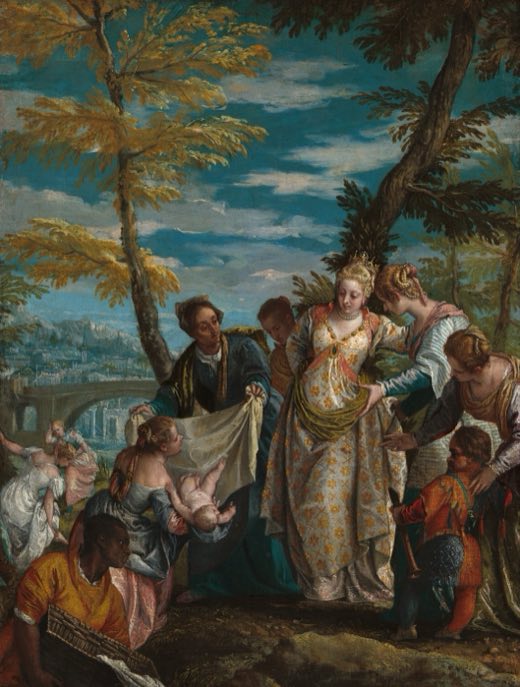 The Finding of Moses
See also
- ChildrenHome and family
- Servants in the householdHome and family
- Birth and midwivesSickness and healing
- Deborah (Genesis)People
- Mephibosheth, son of JonathanPeople
- JoashPeople
- NaomiPeople
Sources: Tyndale Open Bible Dictionary © 2023 Tyndale House Publishers, CC BY-SA 4.0 — adapted and shortened; the original work is available for free at tyndaleopenresources.com · Sources and rights