Encyclopedia › Weather and the forces of nature
Weather and the forces of nature
The farming year and the Gezer calendar
Gezer calendar, 10th century BC · olives in autumn, sowing in winter, grain in spring, fruit in summer
A small limestone tablet found at Gezer in 1908 lists the months of the year by the work done in them. It is usually dated to the 10th century BC and read roughly like this: two months of ingathering, two of sowing, two of late sowing, a month of cutting flax, a month of barley harvest, a month of harvest and measuring, two months of pruning vines, and a month of summer fruit. Some take it for a pupil’s writing exercise, and its script and language are debated, but it keeps the same rhythm as the Bible.
Sowing began with the autumn rains. Flax and barley ripened first: the hail in Egypt struck them “since the barley was ripe and the flax was in bloom” (Exodus 9:31). Naomi and Ruth reached Bethlehem “at the beginning of the barley harvest” (Ruth 1:22), in April; seven weeks later came the wheat and the Feast of Weeks (Deuteronomy 16:9), and at the end of the year, after the grapes and olives, the Feast of Ingathering (Exodus 23:16). In spring “the Jordan overflows its banks throughout the harvest season” (Joshua 3:15), and when the fig tree puts out leaves, “summer is near” (Matthew 24:32).
In art
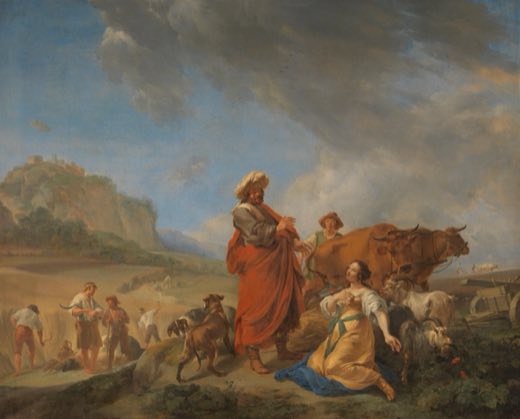 Ruth and Boas
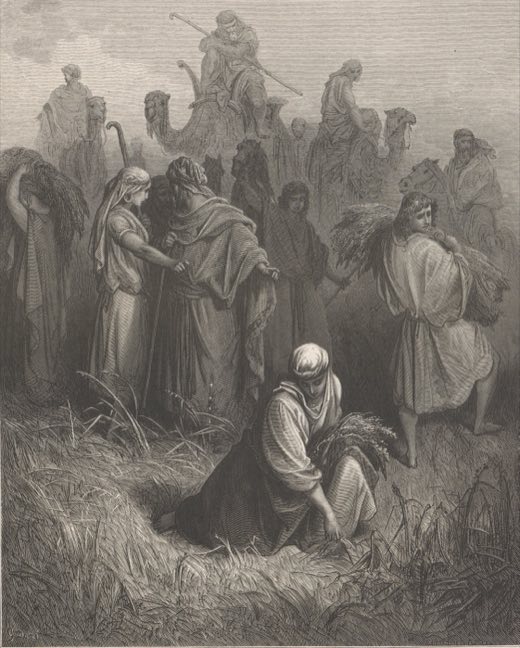 Ruth Gleans in the Field of Boaz
All verses on this topic
See also
- Summer and winter: the two seasonsWeather and the forces of nature
- The early and the latter rainWeather and the forces of nature
- FarmerWork and trades
- Wheat and barleyPlants of the Bible
- Gezer: a city on the road to the coastCities of the Bible
- When the year beganHuman life in Bible times
- Sowing and the sowerField, orchard and water
- The olive harvestField, orchard and water
- Figs and summer fruitField, orchard and water
- The appointed feasts: Israel’s yearFeasts and festivals
- GezerPlaces
Sources: Tyndale Open Bible Dictionary © 2023 Tyndale House Publishers, CC BY-SA 4.0 — adapted and shortened; the original work is available for free at tyndaleopenresources.com · Sources and rights