Encyclopedia › The seven deadly sins
The seven deadly sins
Repentance
Hebrew shuv, “turn back” · Greek metanoia, “change of mind” · Nineveh in sackcloth · John the Baptist
The prophets’ word for repentance is shuv, “turn” or “turn back”, the word for a traveler who sees he is on the wrong road and comes back. “Do I take any pleasure in the death of the wicked? declares the Lord GOD. Wouldn’t I prefer that he turn from his ways and live?” (Ezekiel 18:23). Joel asks for more than outward signs of mourning: “rend your hearts and not your garments, and return to the LORD your God” (Joel 2:13). The best-known repentance in the Old Testament is a foreign city’s. When Jonah preached in Nineveh, the king put on sackcloth and ordered that everyone “turn from his evil ways and from the violence in his hands”, and “when God saw their actions—that they had turned from their evil ways—He relented” (Jonah 3:8, 10).
In the Greek of the New Testament the word is metanoia, a change of mind and heart. John the Baptist came “preaching a baptism of repentance for the forgiveness of sins” (Mark 1:4), and Jesus began His preaching with the same call: “The time is fulfilled … the kingdom of God is near. Repent and believe in the gospel!” (Mark 1:15). His parables of the lost sheep, the lost coin and the lost son end in joy: “there will be more joy in heaven over one sinner who repents than over ninety-nine righteous ones” (Luke 15:7).
In art
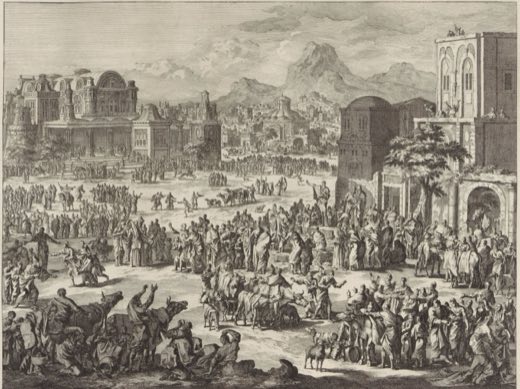 Jonah Preaches in Nineveh
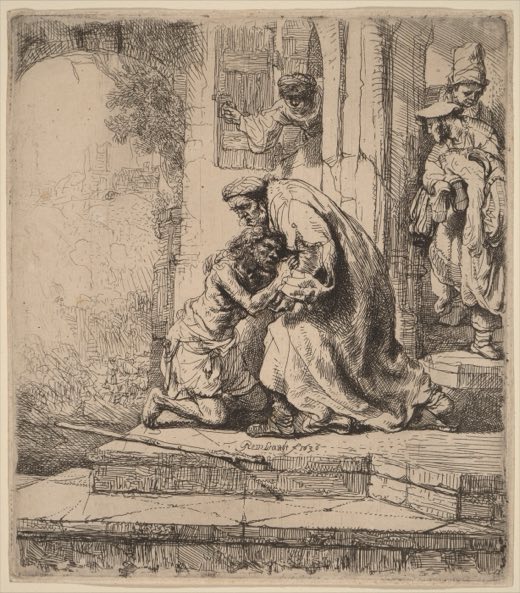 The Return of the Prodigal Son
See also
- David, Bathsheba and NathanThe seven deadly sins
- Peter’s denialThe seven deadly sins
- Sins forgivenThe seven deadly sins
- The prodigal sonBible expressions we still use
- SackclothClothing and adornment
Sources: Tyndale Open Bible Dictionary © 2023 Tyndale House Publishers, CC BY-SA 4.0 — adapted and shortened; the original work is available for free at tyndaleopenresources.com · Sources and rights