Encyclopedia › The seven deadly sins
The seven deadly sins
David, Bathsheba and Nathan
2 Samuel 11–12 · Nathan’s parable of the ewe lamb · “You are that man!” · Psalm 51
The Bible tells the worst deed of its greatest king without softening it. While his army besieged Rabbah, David stayed in Jerusalem, took Bathsheba, the wife of Uriah the Hittite, and when she was with child, had Uriah sent to the front of the battle where he would be killed (2 Samuel 11). Then the LORD sent the prophet Nathan, who told the king of a rich man with many flocks who took the one ewe lamb of a poor man to feed a guest. The lamb “slept in his arms and was like a daughter to him” (2 Samuel 12:3). David burned with anger: the man deserved to die and must pay four times over. “Then Nathan said to David, ‘You are that man!’” (2 Samuel 12:7).
David did not deny it. “I have sinned against the LORD,” he said. “The LORD has taken away your sin,” Nathan replied. “You will not die” (2 Samuel 12:13). Yet the child born to Bathsheba died, and trouble did not leave David’s house: Amnon, Absalom and Adonijah all brought grief upon it. Psalm 51 is headed “When Nathan the prophet came to him after his adultery with Bathsheba”; it begins, “Have mercy on me, O God, according to Your loving devotion” (Psalm 51:1). Bathsheba later became the mother of Solomon, and Matthew names her among the ancestors of Jesus as “Uriah’s wife” (Matthew 1:6).
In art
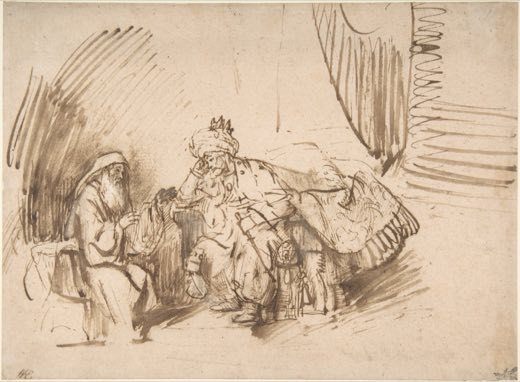 Nathan Admonishing David
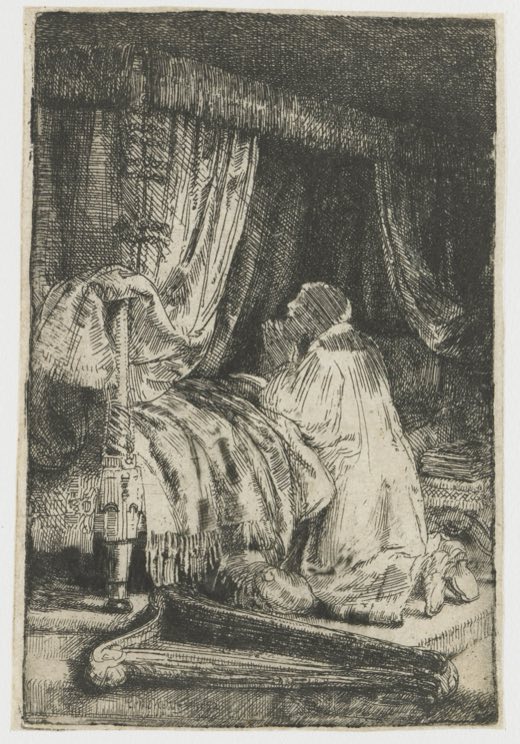 David in Prayer
See also
- LustThe seven deadly sins
- Words for sinThe seven deadly sins
- RepentanceThe seven deadly sins
- Allegri’s MiserereThe Bible in culture
- DavidPeople
- NathanPeople
- BathshebaPeople
- UriahPeople
Sources: Tyndale Open Bible Dictionary © 2023 Tyndale House Publishers, CC BY-SA 4.0 — adapted and shortened; the original work is available for free at tyndaleopenresources.com · Sources and rights