The sea
Merchant ships and grain ships
Ships of Tarshish · cargo thrown overboard in storms · Alexandrian grain ships bound for Rome
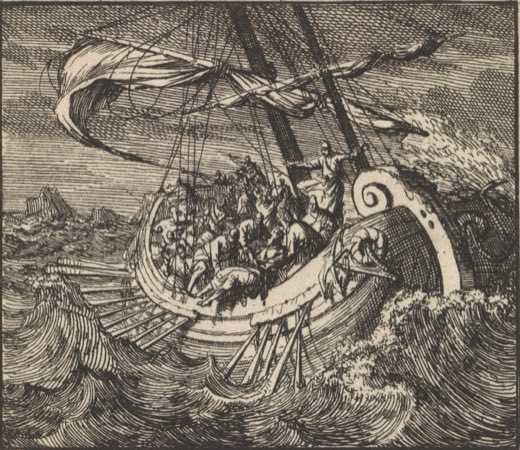
The largest ships of the Bible’s world were merchant ships. “Ships of Tarshish”, first named for long voyages to the far west, came to mean any big seagoing trader; Isaiah sets them beside “every stately vessel” (Isaiah 2:16), and Ezekiel says that Tyre was “filled with heavy cargo in the heart of the sea” (Ezekiel 27:25). Goods traveled in the hold in jars, bales and sacks. In a storm the cargo was the first thing to go overboard: Jonah’s sailors “threw the ship’s cargo into the sea to lighten the load” (Jonah 1:5).
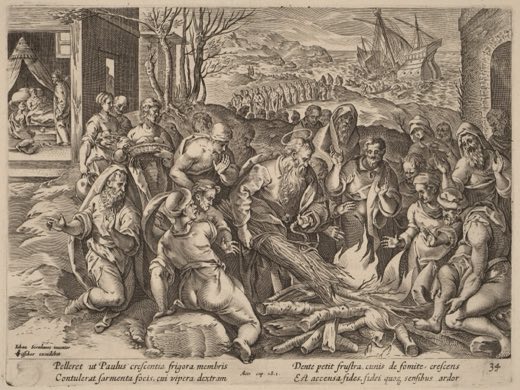
In Roman times the greatest merchant ships were the grain ships that carried the wheat of Egypt from Alexandria to Italy to feed the city of Rome. Paul traveled on two of them. At Myra the centurion found “an Alexandrian ship sailing for Italy” (Acts 27:6); it carried its grain and, Luke says, “276 of us on board” (Acts 27:37), and in the storm the crew “lightened the ship by throwing the grain into the sea” (Acts 27:38). After the wreck the party sailed on in another Alexandrian ship “that had wintered in the island” (Acts 28:11). The Greek writer Lucian, in the 2nd century, describes such a grain ship, the Isis, about 55 meters long. Wrecks found on the seabed show how these ships were built: the planks of the hull were joined edge to edge with mortise-and-tenon joints, and the frames were fitted inside afterward.
See also
- Ships and sea voyagesRoads and travel
- Tyre, Sidon and the ships of TarshishThe sea
- Alexandria: the Greek city of EgyptCities of the Bible
- The market of nations: Tyre’s trade in Ezekiel 27Trade, craft and color
- Mast, sail and oarsThe sea
- Paul’s voyage to Rome, port by portThe sea
- The cargoes of Babylon: Revelation 18Trade, craft and color
- Buying grain in hard yearsTrade, craft and color
- The Uluburun shipwreck: a cargo from about 1300 BCTrade, craft and color
Scholars disagree
Sources: Tyndale Open Bible Dictionary © 2023 Tyndale House Publishers, CC BY-SA 4.0 — adapted and shortened; the original work is available for free at tyndaleopenresources.com · Sources and rights